Kyoto to Nara: Every Train, Fare and Station Choice Compared
Two railway companies run the rail corridor between Kyoto and Nara, and the choice between them decides more than your fare: it decides how long you walk at the other end.
Short answer
The JR Miyakoji Rapid takes about 45 minutes from Kyoto Station for about 720 yen, and the Kintetsu limited express does it in about 35 minutes for 1,280 yen including surcharge. The Japan Rail Pass covers only the JR option. Kintetsu Nara Station sits 5 to 8 minutes from Nara Park; JR Nara Station is 15 to 25 minutes away.
Two railways compete for the short hop between Kyoto and Nara, and they are not interchangeable. JR West runs the Nara Line out of Kyoto Station; Kintetsu runs its Kyoto Line from a station of its own directly across the street. The two companies charge almost the same base fare, take broadly the same time, and then part ways on the detail that matters most: where in Nara you step off. One drops you a few minutes' walk from the park and the deer, the other a quarter of an hour further out. This site, Kyoto Nara Day Tour, exists to make exactly this kind of corridor decision easy, so this guide lays out every option, fare and timing, including what a Japan Rail Pass does and does not cover.
What is the best way to get from Kyoto to Nara?
For most travellers the Kintetsu Kyoto Line is the better train between Kyoto and Nara: the regular express costs about the same as JR, roughly 760 yen, and arrives at Kintetsu Nara Station, which is 5 to 8 minutes on foot from Nara Park. The JR Miyakoji Rapid costs about 720 yen and takes about 45 minutes, but its station is a 15 to 25 minute walk from the park. Neither requires a booking.
That station gap is the whole decision in one sentence. Nara's two stations sit on opposite sides of the tourist area, and the difference compounds over a day: arrive at Kintetsu Nara and you are within sight of Kofuku-ji's pagoda enclosure almost immediately; arrive at JR Nara and you have a pleasant but long walk, or a short bus ride, before anything famous appears.
Price should not be the deciding factor, because the base fares are within about 40 yen of each other. Speed barely separates them either, once you pick the right train: the Miyakoji Rapid and the Kintetsu express both take about 45 minutes, and only Kintetsu's limited express, with its extra surcharge, buys you a meaningfully faster ride.
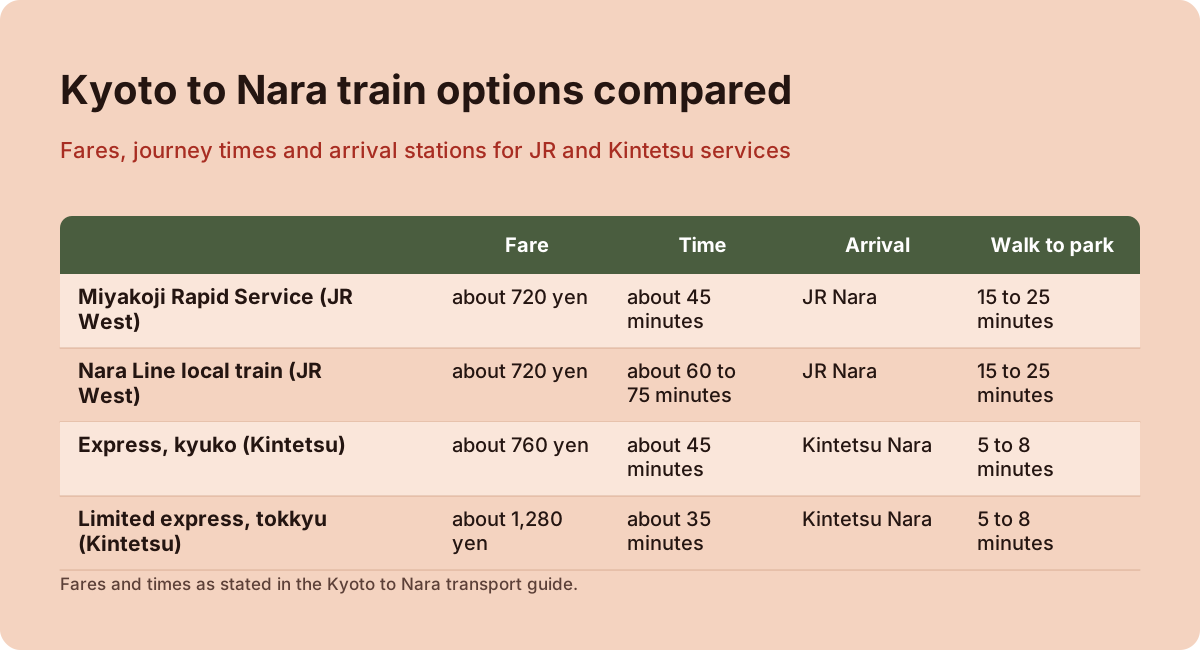
| Option | Operator | Typical one-way fare | Journey time | Arrival station |
|---|---|---|---|---|
| Miyakoji Rapid Service | JR West | about 720 yen | about 45 minutes | JR Nara |
| Nara Line local train | JR West | about 720 yen | about 60 to 75 minutes | JR Nara |
| Express (kyuko) | Kintetsu | about 760 yen | about 45 minutes | Kintetsu Nara |
| Limited express (tokkyu) | Kintetsu | about 1,280 yen, including a 520 yen surcharge | about 35 minutes | Kintetsu Nara |
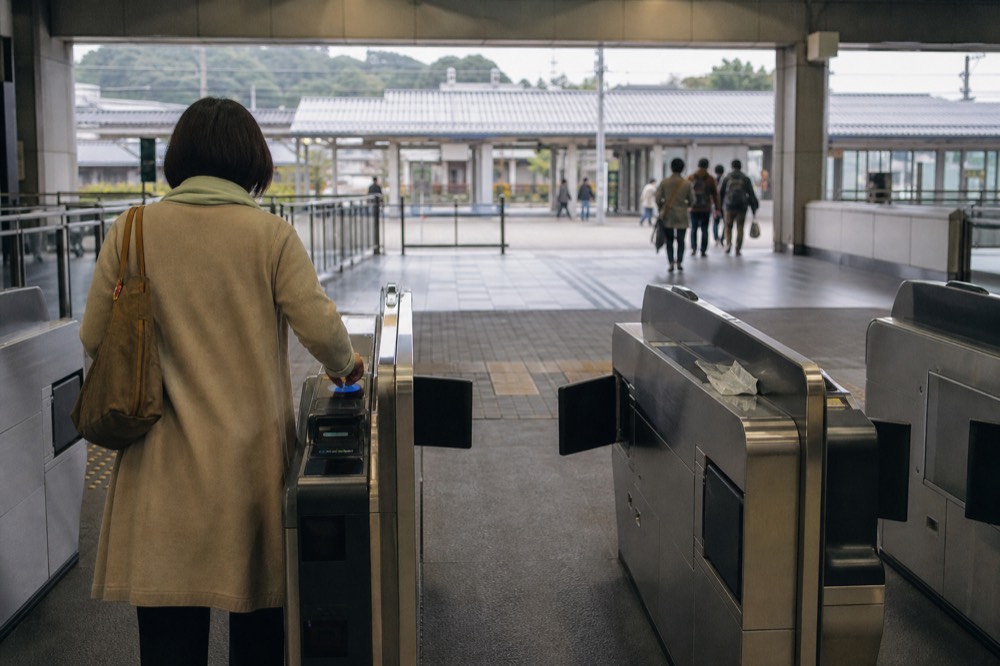
Fares on both lines are live-search figures rather than operator-published prices, so treat them as close approximations and expect them to change. Trains on both routes accept ICOCA, Suica and the other Japanese IC cards, which removes most of the need for ticket machines.
JR Nara Line or Miyakoji Rapid: which JR train should you take?
Take the Miyakoji Rapid Service unless the timetable defeats you. It covers Kyoto Station to JR Nara in about 45 minutes against roughly 60 to 75 minutes for a local, on the same about-720-yen fare, and it runs roughly every 30 minutes through the day. A Japan Rail Pass covers both, so there is no fare penalty for the faster train.
The Miyakoji is JR West's dedicated Kyoto-Nara rapid, and it is the train most locals and guidebooks default to. The frequency, roughly one departure every half hour, means a missed train costs you a coffee, not an hour. Local trains stop at every halt along the way, including the stop for Fushimi Inari if you are breaking the journey, but they are a poor choice for a full Kyoto-to-Nara run because the time saving on the rapid is substantial.
One planning wrinkle: if you are visiting Fushimi Inari on the way, which this site covers separately in how to walk the Fushimi Inari mountain paths, the shrine's own FAQ confirms about 10,000 torii of all sizes along the mountain paths, so budget a half day rather than an hour for it. The JR Nara Line station for the shrine, Inari, is the second stop from Kyoto, which makes the line a two-errand line: shrine in the morning, Nara in the afternoon, one fare each way.
The Japan Rail Pass question is worth settling here because it belongs to this line. The pass covers the JR Nara Line in full, Miyakoji Rapid included, and it does not cover Kintetsu at all. That asymmetry decides the corridor for pass holders before any timetable is consulted, and we return to it, with the October 2026 pass price rise, further down.
If your interest is less the trains than the day itself, the coach option folds Kyoto and Nara into a single itinerary, and it is worth seeing how the three most-booked variants differ:
The trio above all belong to the same operated day tour; the differences are departure city and whether lunch is included, not route or guide quality.
What does the Kintetsu Kyoto Line cost, and is the limited express worth it?
The Kintetsu regular express costs about 760 yen from Kyoto to Kintetsu Nara and takes about 45 minutes with no reservation needed. The limited express does the same trip in about 35 minutes for about 1,280 yen total, which is the 760 yen fare plus a 520 yen reserved-seat surcharge. The 10-minute saving is real; whether it is worth the surcharge depends on your schedule.
Kintetsu's stations sit separately from JR's in both cities. In Kyoto, Kintetsu Kyoto Station is directly across Karasuma-dori from JR Kyoto Station, so the transfer is a two-minute walk with luggage. In Nara, the payoff arrives: Kintetsu Nara Station puts you 5 to 8 minutes from Nara Park and practically next to Kofuku-ji, while JR Nara Station is 15 to 25 minutes out on foot.
The limited express deserves a specific word because its pricing confuses people. The 1,280 yen figure is not a premium fare replacing the base fare; it is the base fare plus a seat-reservation surcharge, charged per ride. What you get for it is a guaranteed reserved seat, a quieter carriage, and the fastest public-transport time between the two cities. On a crowded cherry-blossom weekend that seat reservation is worth more than the 10 minutes.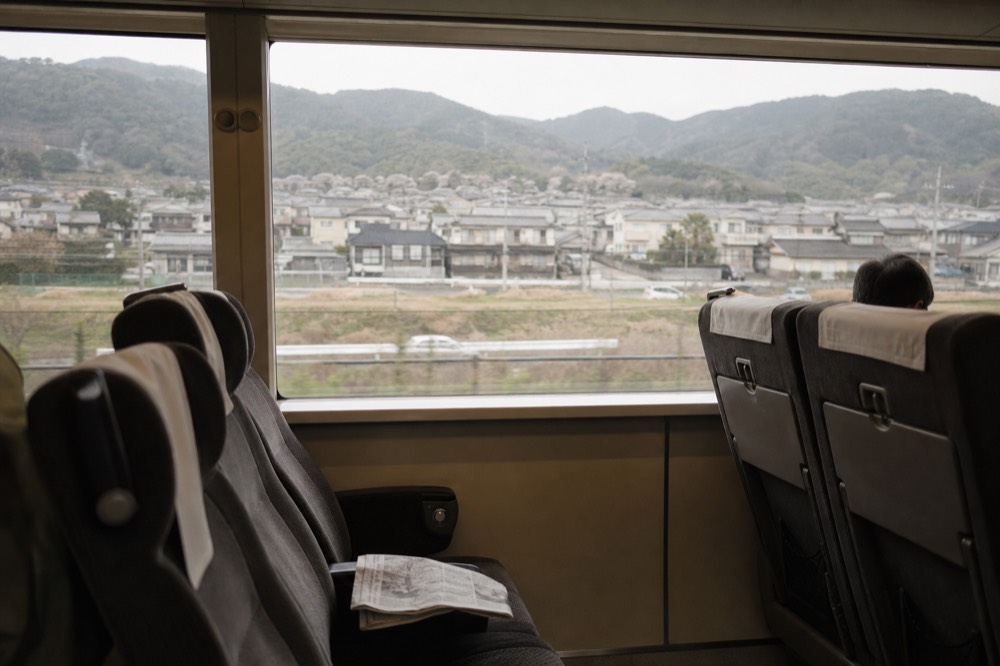
| Kintetsu service | Fare from Kyoto | Time to Kintetsu Nara | Seat reservation | Walk to Nara Park |
|---|---|---|---|---|
| Express (kyuko) | about 760 yen | about 45 minutes | no, standing possible at peak | 5 to 8 minutes |
| Limited express (tokkyu) | about 1,280 yen total | about 35 minutes | yes, mandatory | 5 to 8 minutes |
For anyone who would rather let someone else handle the whole day, the guided coach option removes the train decision entirely, along with the admissions and the navigation:
The Kyoto and Nara day tour, operated by JTB Sunrise Tours and rated 4.8 from 32 reviews, runs from $185.65 per adult for the no-lunch Kyoto departure, and covers Nijo Castle, Kinkaku-ji, the Kyoto Imperial Palace, Kasuga Taisha, and Todai-ji with Nara Park. The coach takes about 60 to 80 minutes each way, comparable to the train once station time and walks are counted, but with the stops sequenced for you.
Should you handle the day on rails instead, the next question is which of the two Nara stations to aim for, and it is not the one most people assume.
Which Nara station should you arrive at?
Arrive at Kintetsu Nara Station if your day is about Nara Park, the deer, Kofuku-ji and Todai-ji: the walk from its exit to the park edge is about 5 to 8 minutes, and Kofuku-ji is closer still. JR Nara Station works if you are coming on a Japan Rail Pass, but it sits about 15 to 25 minutes on foot from the park, or a short local bus ride.
The geography is simple once you picture it. Nara's sights cluster in the northeast of the town around Nara Park, and the two stations sit on the southwest side of that cluster at different distances. Kintetsu Nara is the nearer; from its central exit, the walk to the park is a few minutes through the shopping arcades of Higashimuki and Sanjo-dori, with Kofuku-ji's pagoda enclosure visible as a landmark most of the way.
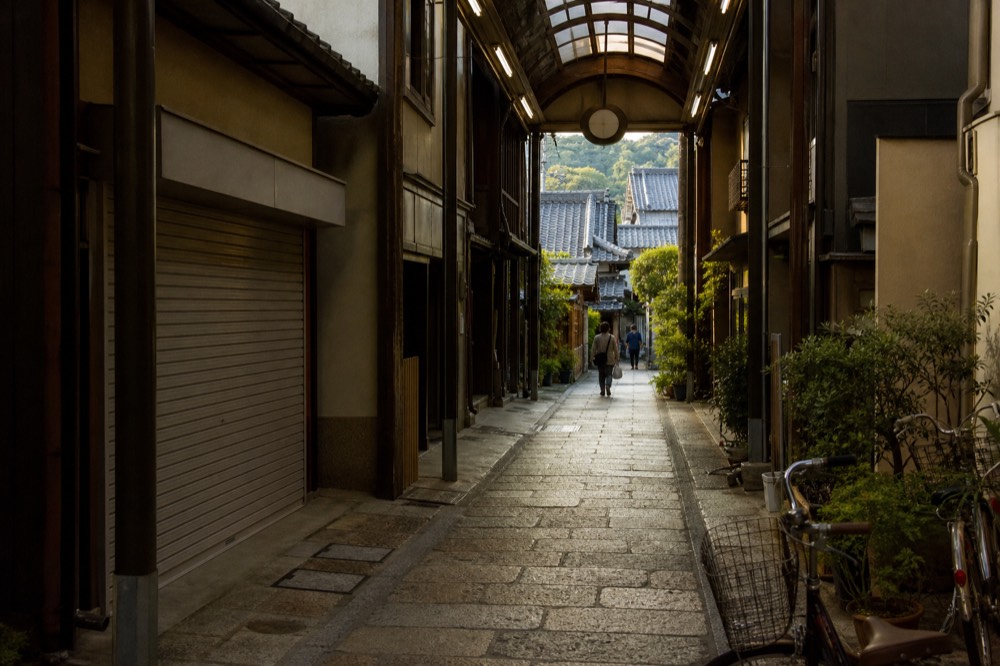
JR Nara Station is not badly placed for the town itself, and its surroundings have their own appeal, covered in what to see around Naramachi's old town. But for the classic deer-park-and-Todai-ji day, every extra minute of morning walk matters, and 15 to 25 minutes each way is half an hour of your day spent on pavement you did not come to see.
| Arrival station | Walk to Nara Park | Walk to Kofuku-ji | Walk to Todai-ji | Best for |
|---|---|---|---|---|
| Kintetsu Nara | about 5 to 8 minutes | a few minutes | about 15 minutes through the park | deer, park, temples first |
| JR Nara | about 15 to 25 minutes | about 15 to 20 minutes | about 25 to 30 minutes | Rail Pass holders, Naramachi side |
Local buses connect JR Nara Station to the park area for a short fare if the walk does not appeal, and the same IC cards work on Nara's buses. But the cleanest plan, if you are paying your own way rather than riding a pass, is Kintetsu in and Kintetsu out.
Does a Japan Rail Pass pay for a Kyoto to Nara day trip?
No. A Kyoto-Nara return on the JR Nara Line costs roughly 1,440 yen, and even after the Japan Rail Pass price rise on 1 October 2026, the 7-day ordinary pass costs 53,000 yen purchased from that date, so this corridor alone can never justify the pass. The pass does cover the JR Nara Line, Miyakoji Rapid included, and it does not cover Kintetsu at all.
The arithmetic is decisive. You would need to make the Kyoto-Nara round trip more than thirty times to spend 53,000 yen at about 720 yen a leg. The pass is a country-wide product: it earns its keep on shinkansen legs between Tokyo, Kyoto, Hiroshima and points beyond, not on a regional day trip where the alternative costs less than a bowl of ramen each way.
The October 2026 rise is worth knowing whatever you decide. An ordinary 7-day pass bought up to 30 September 2026 costs 50,000 yen; from 1 October 2026, 53,000 yen, with the 14 and 21-day versions rising from 80,000 and 100,000 yen to 84,000 and 105,000 yen, per the official price page at japanrailpass.net. Green-car passes rise in step. Which price applies depends on the local date at the place of purchase.
| Japan Rail Pass, ordinary | Bought to 30 Sep 2026 | Bought from 1 Oct 2026 |
|---|---|---|
| 7 days, adult | 50,000 yen | 53,000 yen |
| 14 days, adult | 80,000 yen | 84,000 yen |
| 21 days, adult | 100,000 yen | 105,000 yen |
| 7 days, child | 25,000 yen | 27,000 yen |
For a pass holder already in Kyoto, the decision collapses: take the Miyakoji Rapid, because it is covered and the Kintetsu line is not, and absorb the longer walk from JR Nara Station. For everyone else paying per ride, the station choice in the previous section outranks any pass logic.
How long does the whole Kyoto to Nara journey really take?
Door to door, plan on about 75 to 100 minutes from a central Kyoto hotel to the edge of Nara Park by train: about 10 minutes to reach Kyoto Station, 35 to 45 minutes on the train, and 5 to 25 minutes of walking depending on your arrival station. A coach tour covers the road leg in about 60 to 80 minutes, but its day runs about 10.5 hours from Kyoto with the stops included.
The train times alone flatter the trip. What a day-tripper actually experiences is the sum of the hotel-to-station leg, the wait for the right train, the ride, and the arrival walk. On Kintetsu with a well-timed express that total lands near the bottom of the range; on a JR local arriving at JR Nara Station it can exceed an hour and a half before anything famous is in view.
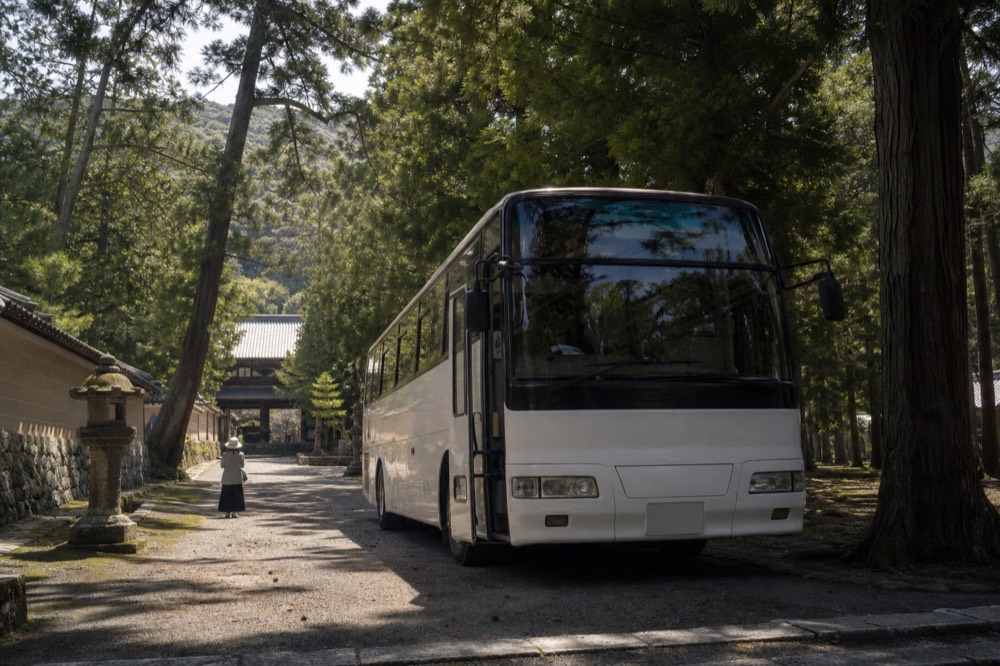
The coach figure deserves its own honesty. A full-day Kyoto and Nara coach tour runs about 10.5 hours from Kyoto, and the drive between the two cities is about 60 to 80 minutes each way depending on traffic. The coach is not faster than the train between the stations. What it does is remove the transfers, the ticket machines and the station walks, and sequence six stops, Nijo Castle, Kinkaku-ji, the Kyoto Imperial Palace, lunch on lunch options, Kasuga Taisha, and Todai-ji with Nara Park, into one guided day.
Travellers starting from Osaka face a related but distinct question, one this site treats in full in starting your Nara trip from Osaka instead of Kyoto. The short version: an Osaka departure typically adds roughly 30 to 60 minutes each way to a day-tour routing, and the Osaka tour variants end at Osaka Namba rather than returning to Kyoto.
For the lunch-inclusive Kyoto variant of the coach day, one honest caveat belongs here. The included Western set lunch is the day tour's weakest element by its own reviewers' accounts, in reviews from 2015, 2017 and again in 2025, and the no-lunch Kyoto departure at $185.65 is the cheaper way to buy the same day and eat your own:
Nara's food scene, from kakinoha sushi to mochi pounded to order, is strong enough that skipping a set lunch costs you nothing in experience, and the station arcades around Kintetsu Nara are full of options before you even reach the park.
What does a day of transport in Nara itself cost?
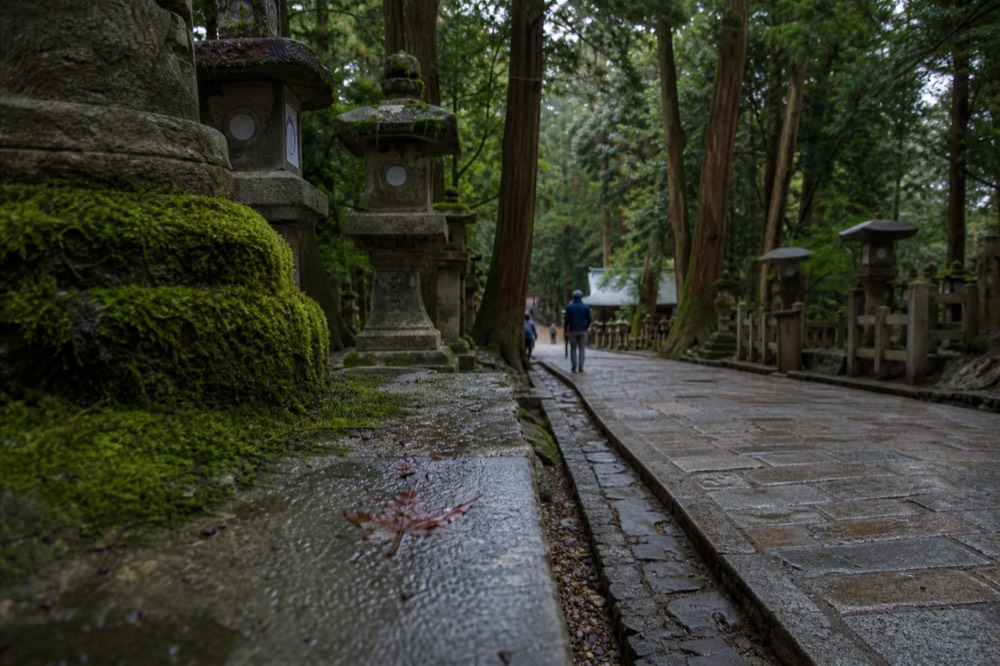
Once you arrive, Nara is a walking city, and the honest daily transport budget is close to zero beyond your train fare: Nara Park, Kasuga Taisha's outer grounds, Kofuku-ji's exterior and Naramachi are all walkable from Kintetsu Nara Station. Carry cash for temple admissions, because Todai-ji and Kofuku-ji both state on their own pages that admission is cash only.
The cash point is the one that catches people. Card payments are normal in Kyoto's shops and IC cards work on the buses, but the temples at the Nara end of this trip take cash at the window, full stop. Todai-ji charges 800 yen for the Daibutsuden and 1,200 yen for the combined hall-and-museum ticket, and Kofuku-ji's combined ticket is 1,600 yen, both cash only per the temples' own admission pages, including todaiji.or.jp. Withdraw what you need in Kyoto; 7-Eleven and Japan Post ATMs accept foreign cards.
| Item on a Nara day | Typical cost | Notes |
|---|---|---|
| Kyoto to Nara train, one way | about 720 to 1,280 yen | JR or Kintetsu, service dependent |
| Local bus in Nara | short flat fare | IC cards accepted |
| Todai-ji Daibutsuden | 800 yen | cash only |
| Todai-ji set ticket, hall and museum | 1,200 yen | cash only |
| Kofuku-ji combined ticket | 1,600 yen | cash only, sold 09:00 to 16:00 |
| Kasuga Taisha special worship | 700 yen | outer grounds free |
| Deer crackers | about 200 yen for roughly 10 | vendors in the park |
One Kyoto-side cost belongs in this budget too if you are staying overnight in the city: Kyoto's accommodation tax rose steeply on 1 March 2026, from a three-band schedule topping out at 1,000 yen to five bands reaching 10,000 yen per person per night on rooms of 100,000 yen and above, per Kyoto City's own tax page. It is levied by the hotel, not by the traveller at a counter, but it belongs in any honest cost picture for a Kansai stay built around this day trip.
Kyoto to Nara in one glance: the summary
Choose Kintetsu if you are paying your own fare and want the shortest walk into Nara Park: about 760 yen, about 45 minutes, arrive 5 to 8 minutes from the deer. Choose the JR Miyakoji Rapid if you hold a Japan Rail Pass or are pairing the trip with Fushimi Inari: about 720 yen, about 45 minutes, but a 15 to 25 minute walk at the far end. Neither line needs booking; both take IC cards.
The two decisions that actually shape the day are the station and the season, in that order. The station decides your first and last half hour; the season decides the crowds and, more than most guides admit, the foliage. Kyoto's official maple colouring date is a December date, normally 5 December, and it was 10 December in 2025, so anyone booking a "late November autumn colours" Nara day should temper expectations, or aim for the ginkgo, whose normal colouring is 24 November. Cherry travellers should aim at Kyoto's full-bloom normal of 4 April, knowing 2026 beat it by flowering on 23 March and reaching full bloom on 30 March.
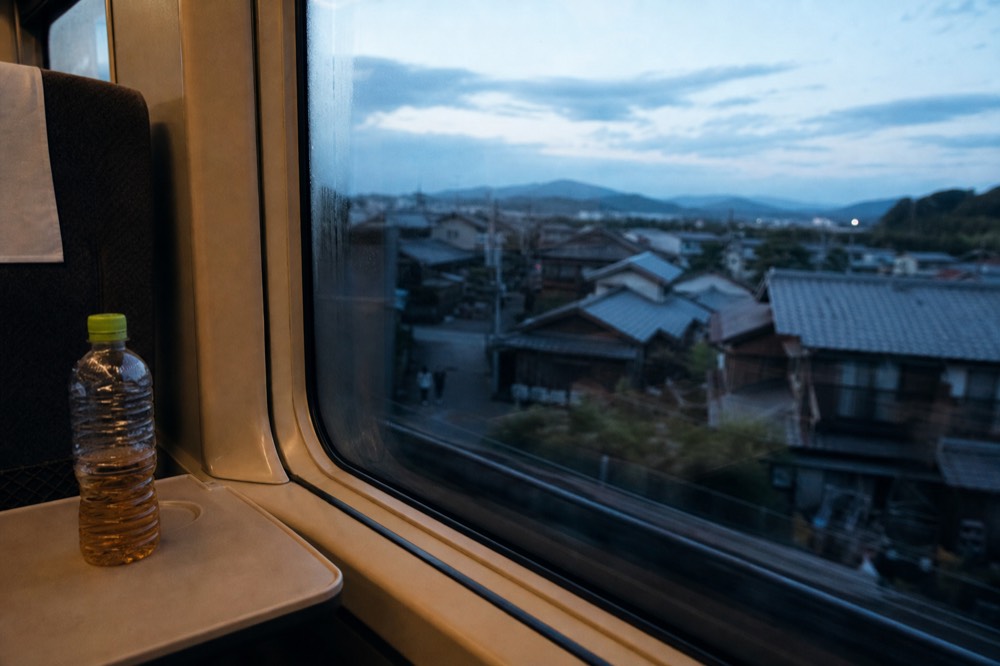
Whatever mode you settle on, the corridor is forgiving. Trains run all day on both lines, fares are trivial by Japan rail standards, and the worst realistic outcome of a wrong choice is a twenty-minute walk you did not plan for. If you would rather outsource even that decision, the three most-booked variants of the guided day are below:
And if the do-it-yourself rail version still appeals after all of the above, the planning guide at how to plan a Nara day trip from Kyoto sequences the same sights around the train times.
The short answers: about 720 yen on JR and about 760 yen on Kintetsu for the roughly 45-minute ride, only the JR line is covered by a Japan Rail Pass, and Kintetsu Nara Station is the arrival point that puts you 5 to 8 minutes from the park. The questions below repeat those answers with the detail behind each one.
Common questions about getting from Kyoto to Nara
How much is the train from Kyoto to Nara?
About 720 yen one way on the JR Nara Line and about 760 yen on the Kintetsu express. Kintetsu's limited express costs about 1,280 yen total, which is the 760 yen fare plus a 520 yen reserved-seat surcharge. These are live-search figures rather than operator-published prices, and fares change over time.
Which train is fastest from Kyoto to Nara?
The Kintetsu limited express, at about 35 minutes. The JR Miyakoji Rapid and the Kintetsu regular express both take about 45 minutes, and a JR local takes about 60 to 75 minutes.
Does the Japan Rail Pass cover Kyoto to Nara?
Yes, on the JR Nara Line, including the Miyakoji Rapid Service. It does not cover the Kintetsu Kyoto Line at all. A Kyoto-Nara return costs roughly 1,440 yen on JR, so the pass is not what decides this particular trip.
Which station in Nara is closest to Nara Park?
Kintetsu Nara Station, about 5 to 8 minutes on foot from the park edge and closer still to Kofuku-ji. JR Nara Station is about 15 to 25 minutes from the park on foot.
How often do trains run between Kyoto and Nara?
The JR Miyakoji Rapid runs roughly every 30 minutes. Kintetsu express trains run frequently through the day as well, so neither line rewards complicated advance planning.
Is a day trip to Nara from Kyoto worth it by train?
Yes: about 45 minutes each way on the right train makes Nara one of the easiest day trips out of Kyoto, and the park, Kasuga Taisha's outer grounds and Naramachi cost little or nothing beyond the temple admissions, which are cash only at Todai-ji and Kofuku-ji.