Nara Day Trip From Kyoto: Fares, Journey Times and What Each Way Really Costs
Three ways exist to spend a day in Nara out of Kyoto: the JR Miyakoji Rapid, the Kintetsu express, and a guided coach that folds three Kyoto sites into the same day. The numbers below are the real ones.
Short answer
A self-guided Nara day trip from Kyoto costs about 1,440 yen return on JR, roughly 45 minutes each way, plus 800 yen to enter Todai-ji. A guided coach day covering Nijo Castle, Kinkaku-ji, the Kyoto Imperial Palace, Nara and Todai-ji starts from $185.65 per adult without lunch. The train is cheaper, the coach is far less work.
Nara sits about 45 minutes from Kyoto by rapid train, close enough that a day trip is the standard way to see it, and far enough that how you get there shapes the whole day. The Kyoto Nara Day Tour site exists because there is one guided coach product that pairs both cities in a single day, but the honest starting point is the comparison: the train is dramatically cheaper, and the coach is dramatically less work. This guide lays out both with the real numbers, then adds the admissions, the deer rules and the seasonal timing that decide whether the day feels relaxed or rushed.
What does a Nara day trip from Kyoto actually cost?
A full self-guided day from Kyoto costs the return train fare, about 1,440 yen on JR, plus 800 yen to enter the Daibutsuden at Todai-ji and incidentals such as about 200 yen for a bundle of deer crackers. The guided coach alternative starts from $185.65 per adult without lunch, a price that includes the coach, the guide and the admissions along the route. The gap between those two figures is the whole decision. It buys different things in each direction.
On the train you pay for flexibility and nothing else. There is no booking, no meeting point, no schedule but your own. The trade is that every transfer, every admission queue and every navigation decision in Nara is yours, and Nara's paid interiors are cash only, which catches out visitors who have stopped carrying yen.
The guided coach costs several times more, but the ticket already covers the admissions at the stops it makes, a licensed English-speaking guide for the whole day and the intercity coach travel, so the out-of-pocket gap on the ground is smaller than the headline suggests. Where the comparison genuinely tips toward the train is a visitor whose only goal is Nara itself: two or three hours around Todai-ji and Nara Park, no Kyoto stops, no lunch. For that traveller the coach buys a lot of things they did not want.
JR or Kintetsu: which train should you take from Kyoto to Nara?
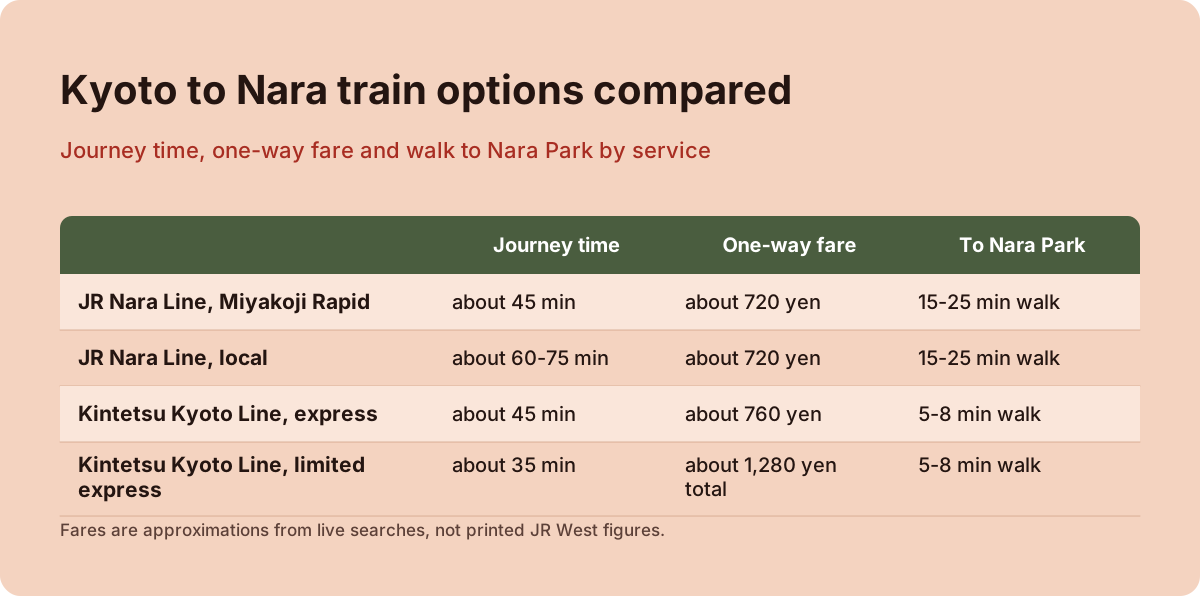
Take the JR Miyakoji Rapid if your base is near Kyoto Station or you hold a Japan Rail Pass; take the Kintetsu express if you are staying downtown, because Kintetsu Nara Station sits 5 to 8 minutes on foot from Nara Park while JR Nara Station is a 15 to 25 minute walk. The JR rapid takes about 45 minutes; the Kintetsu express about the same. Those station positions matter more than any timetable.
The JR Miyakoji Rapid leaves from Kyoto Station roughly every 30 minutes and covers the distance in about 45 minutes, with the local train taking 60 to 75 minutes if you miss one. Fares of about 720 yen each way are the live-search consensus rather than a figure JR West prints on a readable page, so treat them as close approximations and expect small changes. The Japan Rail Pass covers the JR Nara Line including the Miyakoji Rapid, though as the transport detail above notes, a single Kyoto-Nara return at about 1,440 yen total never comes close to justifying one.
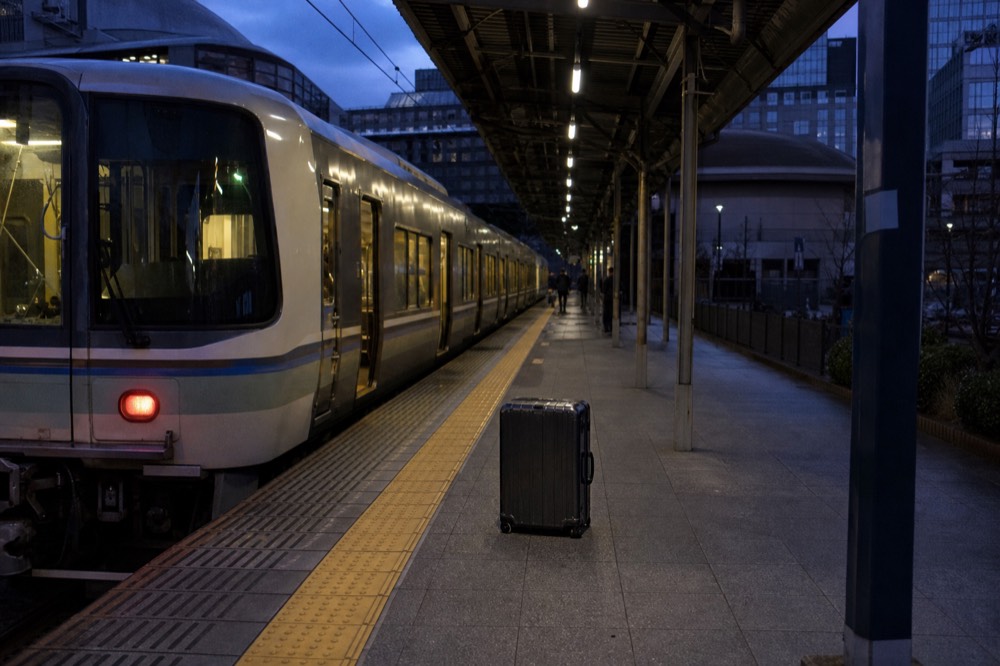
Kintetsu runs from a separate station shared with the subway under Kyoto Station, and its ordinary express reaches Kintetsu Nara in about 45 minutes for about 760 yen. The limited express needs a seat reservation and a surcharge, about 520 yen on top of the fare, for a total of about 1,280 yen and a journey of about 35 minutes. The ordinary express is the value pick: same rough arrival time as JR, and a station that puts you at the edge of Nara Park within minutes. This comparison is covered in detail in the Kyoto to Nara transport guide.
| Route and service | Journey time | One-way fare (adult) | Station to Nara Park |
|---|---|---|---|
| JR Nara Line, Miyakoji Rapid | about 45 min | about 720 yen | 15-25 min walk |
| JR Nara Line, local | about 60-75 min | about 720 yen | 15-25 min walk |
| Kintetsu Kyoto Line, express | about 45 min | about 760 yen | 5-8 min walk |
| Kintetsu Kyoto Line, limited express | about 35 min | about 1,280 yen total | 5-8 min walk |
What does the guided coach day tour actually cover?
The guided option is a single product, "Kyoto and Nara Day Tour" operated by JTB Sunrise Tours, rated 4.8 from 32 reviews, from $185.65 per adult, which visits Nijo Castle, Kinkaku-ji, the Kyoto Imperial Palace, Kasuga Taisha and Todai-ji with Nara Park in one day of about 10.5 hours with a licensed English-speaking guide. It comes in six departure and lunch combinations, and only the cheapest one, the Kyoto departure without lunch, carries a published dollar price. The other five are published in Hong Kong dollars only.
The day works because the coach does the sequencing. Kyoto-to-Nara by road takes about 60 to 80 minutes each way depending on traffic, and the tour spends its morning on the three Kyoto sites before the drive, arriving in Nara for the Kasuga Taisha approach, the Daibutsuden and the deer in the afternoon. Self-guiding that same set in one day is possible only with tight timing and no margin; the coach buys the margin.
| Option | Departure | Lunch | Published price |
|---|---|---|---|
| Kyoto, no lunch | Kyoto, 08:20 meet | none, eat freely near Kyoto Station | from $185.65 |
| Kyoto, Western set lunch | Kyoto | Western set | HK$1,597 |
| Kyoto, Indian thali lunch | Kyoto | Indian Thali | HK$1,597 |
| Osaka, no lunch | Osaka, 07:15 meet | none | HK$1,597 |
| Osaka, Western set lunch | Osaka | Western set | HK$1,698 |
| Osaka, Indian thali lunch | Osaka | Indian Thali | HK$1,698 |
Two honest warnings from the listing's own record. The included lunch is the weakest element of the day by its own reviewers' accounts, in reviews from 2015, 2017 and again in 2025, so travellers who do not want a set meal should take a no-lunch option and eat in Nara, where the food around Naramachi is a destination in its own right and covered in what to eat in Nara. Second, the three Osaka options end at Osaka Namba and do not return to Kyoto, which is a convenience if your hotel is in Osaka and a trap if it is not.
How long does the whole day realistically take?
A train-based Nara day needs 5 to 7 hours door to door: about 45 minutes each way on the rapid, 15 to 25 minutes walking from JR Nara Station or 5 to 8 from Kintetsu Nara, and 3 to 4 hours on the ground for Todai-ji, the park and one more site. The guided coach day runs about 10.5 hours from Kyoto including travel, because it adds three Kyoto stops before the drive to Nara. Neither version is a half-day errand.
The on-the-ground figure deserves a little honesty. Todai-ji's Daibutsuden alone deserves 45 minutes to an hour, the hall is 57.012 metres east to west and the Great Buddha within it was consecrated in 752. Adding Kasuga Taisha's lantern-lined approach, lunch and the deer easily fills the 3 to 4 hours, and visitors who try to compress Nara into less tend to spend it all at the park and miss the interiors. The question of how many hours Nara really needs is examined in how four hours or less works out.
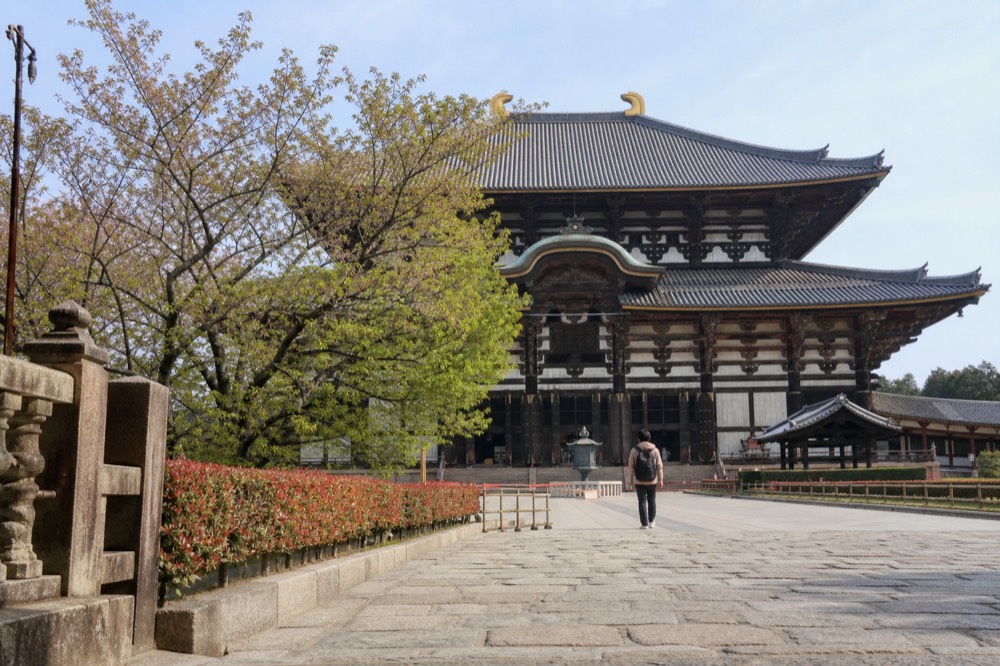
The coach day's length is front-loaded: an 08:20 meeting time in Kyoto, three Kyoto visits, then the drive. The trade is that nothing in the middle requires a decision from you. On the train you can leave at 10:00 and be at Nara Park by 11:00, which is why the train suits late risers and the coach suits list-tickers who want the Kyoto majors and Nara in one ticket.
What do the Nara sights cost to enter?
Nara's paid sights run 500 to 1,600 yen each: Todai-ji's Daibutsuden is 800 yen for adults, cash only, with a 1,200 yen set ticket that adds the museum; Kofuku-ji's combined ticket covering both golden halls and the National Treasure Museum is 1,600 yen; Kasuga Taisha's grounds are free with the special inner worship at 700 yen. None of it is expensive, but all of it adds up, and none of the temples take cards.
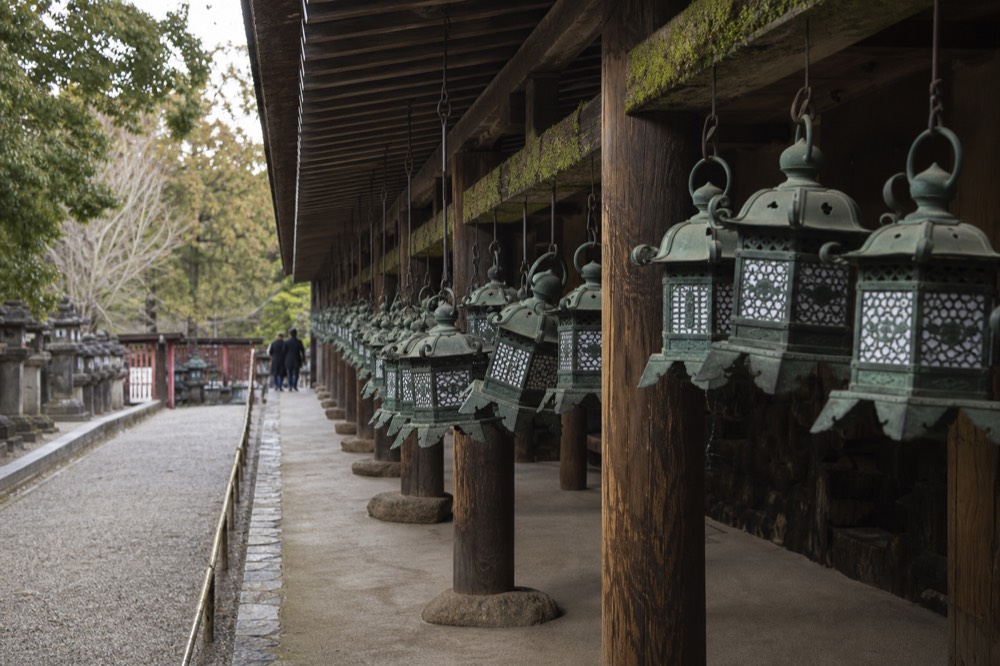
Todai-ji states plainly on its own admission page that payment is cash only, and so does Kofuku-ji. The Daibutsuden is open 07:30 to 17:30 from April to October and 08:00 to 17:00 from November to March, with no closing days barring special rites, and no advance booking accepted or needed. Kasuga Taisha's special worship inside the middle gate runs 09:00 to 16:00 and was raised from 500 to 700 yen on 1 October 2024, a change many guidebooks still have wrong. The full fee picture, including the Kofuku-ji halls priced separately after 16:00, is laid out in Nara Park tickets and fees.
| Site | Adult admission | Notes |
|---|---|---|
| Todai-ji Daibutsuden | 800 yen | cash only; set ticket with museum 1,200 yen |
| Kasuga Taisha special worship | 700 yen | grounds and approach free; raised from 500 yen in Oct 2024 |
| Kofuku-ji combined ticket | 1,600 yen | both golden halls plus museum; sold 09:00-16:00 only |
| Nara Park | free | open ground, deer roam freely |
One sight warning that most itineraries miss: Kofuku-ji's Five-Storied Pagoda, about 50 metres tall and the tallest building in Nara Prefecture, has been completely enclosed in a roughly 60-metre steel weather cover since March 2025 for a full conservation repair scheduled to run to March 2034. Any photo of the pagoda as a Nara highlight is years out of date. The halls and the museum remain open and worth the ticket.
What are the rules around the Nara deer?
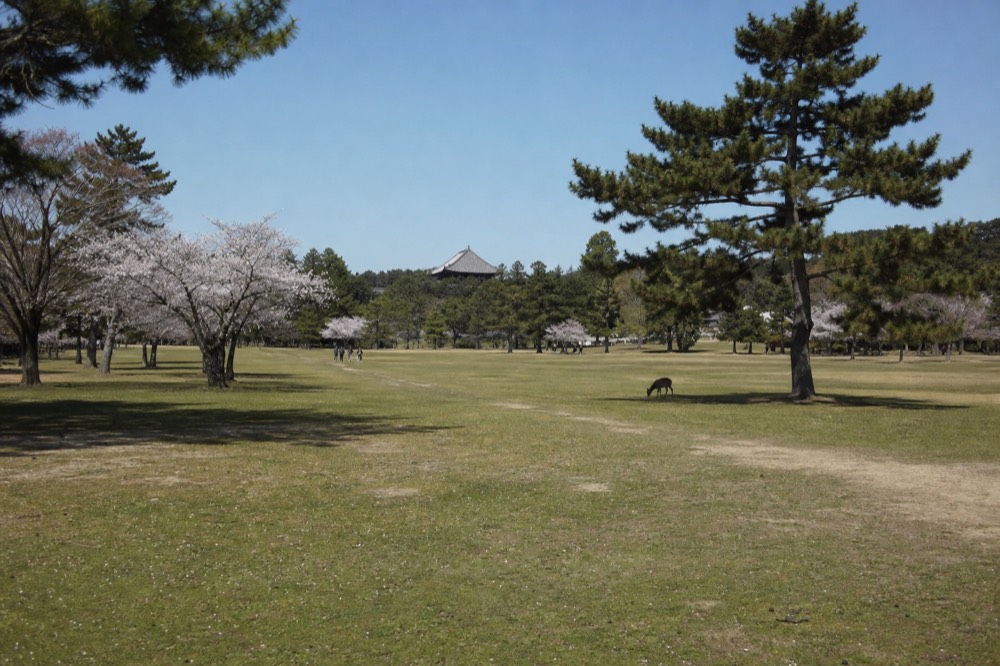
The Nara deer are wild animals protected as a National Natural Monument, 1,687 of them at the July 2026 count, and the foundation that manages them has firm rules: feed them nothing except shika senbei at about 200 yen a bundle, hand the cracker over quickly rather than teasing, and keep clear of does with fawns from mid-May through June and of stags during the September to November rut. The rules are safety instructions, not suggestions.
The count comes from the Nara Deer Preservation Foundation's own census, taken over the mornings of 15 and 16 July 2026 by foundation staff and volunteers alongside Kasuga Taisha and Nara's universities, and the 1,687 total is up 222 on the previous year. June and November are the foundation's designated deer-protection months, June for calving and November for the rut. The foundation's own guidance states it plainly: the deer are habituated but wild, they bite, strike, butt and charge, and older visitors and small children need extra care.
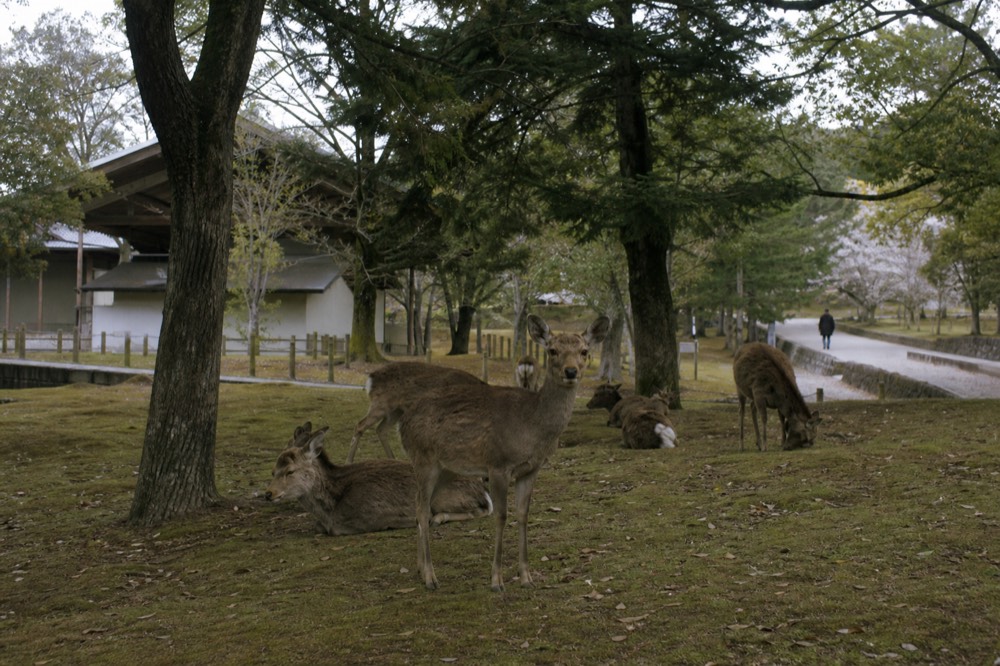
In practice the rules reduce to a handful of habits. Buy the crackers from the park vendors, offer one flat on an open palm or hand it over fast, and show empty hands when you are done so the deer lose interest. Do not carry food in open bags, because the deer have learned what plastic bags sound like. And do not approach animals that are leaning into you or lowering their heads, which is a charge being loaded, not affection. More on the park itself is in the Nara deer park guide.
When is the best time of year for the trip?
Late March to early April is the peak window: Kyoto's cherry trees flowered on 23 March and reached full bloom on 30 March in 2026, against a normal of 26 March and 4 April. For autumn colour, plan for late November into December, because Kyoto's official maple colouring date is a December date, 5 December on the 1991-2020 normal and 10 December in 2025. The mid-November autumn peak that most guides repeat is folklore.
That maple fact is the most counter-intuitive number in this guide, and it comes straight from the Kyoto Local Meteorological Observatory's phenology record rather than a tourism body. The ginkgoes colour earlier, 24 November on the normal, so a visit in the last week of November catches gold trees with the maples turning behind them. The same observatory's record shows the earliest maple colouring ever observed was 10 November 1976 and the latest 20 December 2024, a wide window that mid-November folklore ignores.
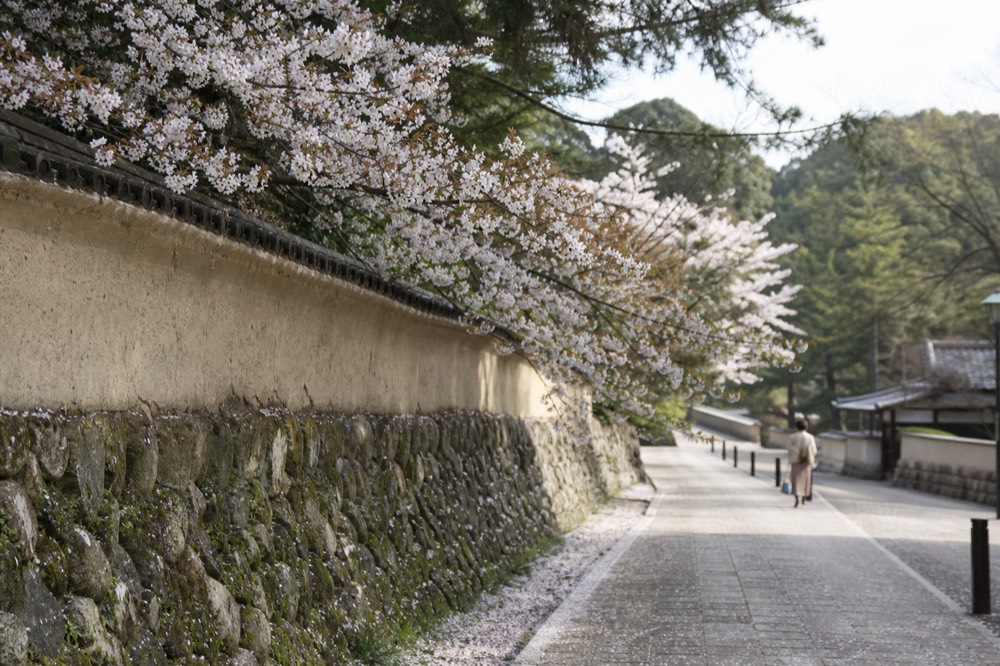
Summer deserves a specific warning rather than a shrug. Kyoto's station records, which begin in 1880, put four of the six hottest days on record in 2018, 2024, 2025 and 2026, with 39.7 C on 23 July 2026 the third hottest ever measured there. Nara's July normals are marginally cooler but the same shape. If July or August is when you are travelling, do the outdoor Nara hours in the morning and treat the Daibutsuden, one of the world's largest wooden buildings, as your midday shelter. The seasonal picture in full is in the best time to visit Nara.
| Season | What to expect | Timing note |
|---|---|---|
| Cherry blossom | full park, peak crowds | Kyoto full bloom: 30 March 2026, normal 4 April |
| Rainy season | humid, frequent rain | Kinki 2026: about 4 June to 8 July |
| Summer | intense heat, morning visits best | Kyoto's 39.7 C on 23 July 2026, third hottest on record |
| Autumn | ginkgo then maple colour | maple normal 5 December, 2025 was 10 December |
| Winter | quiet, cold mornings | deer calm, fewest visitors |
Do you need cash, and what about luggage?
Yes to cash: Todai-ji and Kofuku-ji both state on their own pages that admission is payment in cash only, and many smaller shrines and stalls in Nara are the same, so carry several thousand yen per person; 7-Eleven and Japan Post ATMs accept foreign cards, and buses in both cities take IC cards. Large bags are restricted on Kyoto city buses, so leave suitcases at your hotel.
The cash point is the one that bites most often, because Japan feels card-friendly in convenience stores and then is not at the temple gate. A realistic day in Nara is built from a few known items: admission at one or two sites, crackers for the deer, lunch or snacks, and a cushion for a goshuin seal or a charm, all of it likelier to be cash than card. Kofuku-ji's combined ticket alone is 1,600 yen and it is cash only too.
On the guided coach the cash question shrinks rather than disappears, because admissions along the route are already in the ticket price. What is not in the ticket is lunch on the no-lunch options, souvenirs and the deer crackers, so even coach travellers want some yen on hand. Travellers comparing the lunch-included and lunch-free coach options should weigh the reviews honestly: the set lunch is the day's weakest element by its own reviewers' accounts, and eating freely in Nara is the better meal and the cheaper ticket. More on that trade-off is in whether to book Nara Park in advance.
So which way should you do it: train or coach?
Take the train if Nara is your whole goal and you want to spend little beyond the fare and one or two temple tickets, with total freedom over timing. Take the guided coach if you also want Nijo Castle, Kinkaku-ji and the Kyoto Imperial Palace in the same day, or if the logistics of two cities, six sites and cash-only temple queues are the part of travel you would rather pay to avoid. The self-guided route is far cheaper; the guided one is far less work.
There is a middle case worth naming. Visitors based in Osaka who want both cities can take an Osaka coach departure, remember that it ends at Osaka Namba with no return to Kyoto, and get the same guided day with a shorter evening. And visitors whose time in Kyoto is short enough that a full independent Nara day would cost them Kinkaku-ji and Nijo Castle outright are exactly who the coach product is built for, since those two plus the Imperial Palace are all on the morning half of the itinerary.
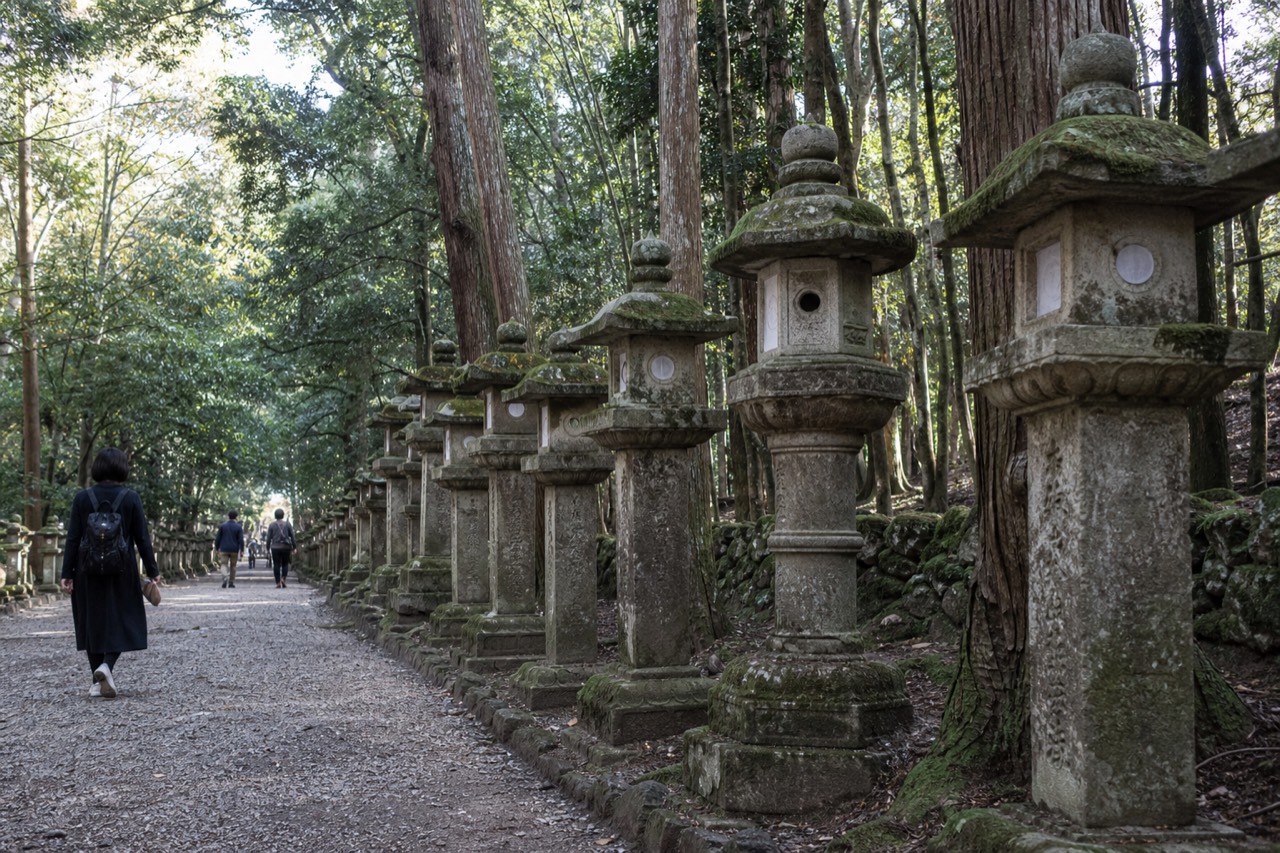
For the do-it-yourself crowd, the last word is sequencing. Leave Kyoto on a Miyakoji Rapid before 10:00, walk or ride to the park, do Todai-ji first while your legs are fresh, give the deer the middle of the day, and hold Kasuga Taisha's approach for the late afternoon when the lanterns sit in low light. That is a full and memorable day for the price of a return train fare and a couple of temple tickets, which is why the train remains the default answer and the coach the deliberate upgrade. More day-trip options are compared in day trips from Kyoto.
Whichever way you go, the two cities pair well because they fail differently: Kyoto rewards depth and Nara rewards breadth, and a single day in each mode, guided or independent, is enough to understand why people give both more time on the next trip.
These are the questions that decide most Nara day trips out of Kyoto: what the day costs, which train line to ride, whether one day is enough, which station to use, what the coach actually visits, and whether anything in Nara needs booking ahead. Each answer below uses the fares, hours and admissions verified in the sections above.
Common questions about a Nara day trip from Kyoto
How much does a Nara day trip from Kyoto cost?
Self-guided, the cost is the return train fare, about 1,440 yen on JR, plus 800 yen for Todai-ji's Daibutsuden and incidentals such as about 200 yen for deer crackers. The guided coach day starts from $185.65 per adult without lunch, admissions included.
How long is the train from Kyoto to Nara?
The JR Miyakoji Rapid takes about 45 minutes and runs roughly every 30 minutes; the JR local takes 60 to 75 minutes. The Kintetsu express also takes about 45 minutes, and the Kintetsu limited express about 35 minutes with a reserved seat and surcharge.
Is one day enough for Nara from Kyoto?
Yes. Three to four hours on the ground covers Todai-ji's Daibutsuden, Nara Park and the Kasuga Taisha approach, and the round trip adds about 45 minutes to an hour each way. Adding Kofuku-ji's halls and museum makes a full but comfortable day.
Which station is better in Nara, JR or Kintetsu?
Kintetsu Nara Station is 5 to 8 minutes on foot from Nara Park; JR Nara Station is a 15 to 25 minute walk. If both lines serve your starting point equally, Kintetsu saves the walk at the far end.
Does the guided coach tour visit Fushimi Inari or Arashiyama?
No. The coach itinerary visits Nijo Castle, Kinkaku-ji, the Kyoto Imperial Palace, Kasuga Taisha, and Todai-ji with Nara Park. Fushimi Inari, Kiyomizu-dera, Arashiyama and Byodo-in are not stops on this tour, so travellers set on those sites need separate time.
Do I need to book the Nara sights in advance?
No. Todai-ji states that advance booking is neither accepted nor required, Kofuku-ji accepts no group bookings, and Nara Park is open ground. Only guided coach seats are worth booking ahead, since departure and lunch combinations can fill.