Is it better to visit Nara from Kyoto or Osaka?
Kyoto and Osaka both work as a base for Nara, but they suit different trips. A plain comparison of trains, timings and the one coach tour that runs from both.
Is it better to visit Nara from Kyoto or Osaka?
Kyoto is the better base if Nara is part of a wider ancient-capital itinerary, because both cities on your list sit on the same rail corridor and the trains are frequent. Osaka is better if you are sleeping there anyway, because the ride is slightly shorter and evening food options are stronger, but the answer is really about where your hotel is, not about either city being a superior gateway. The distances are close enough that base city matters less than most guides suggest.
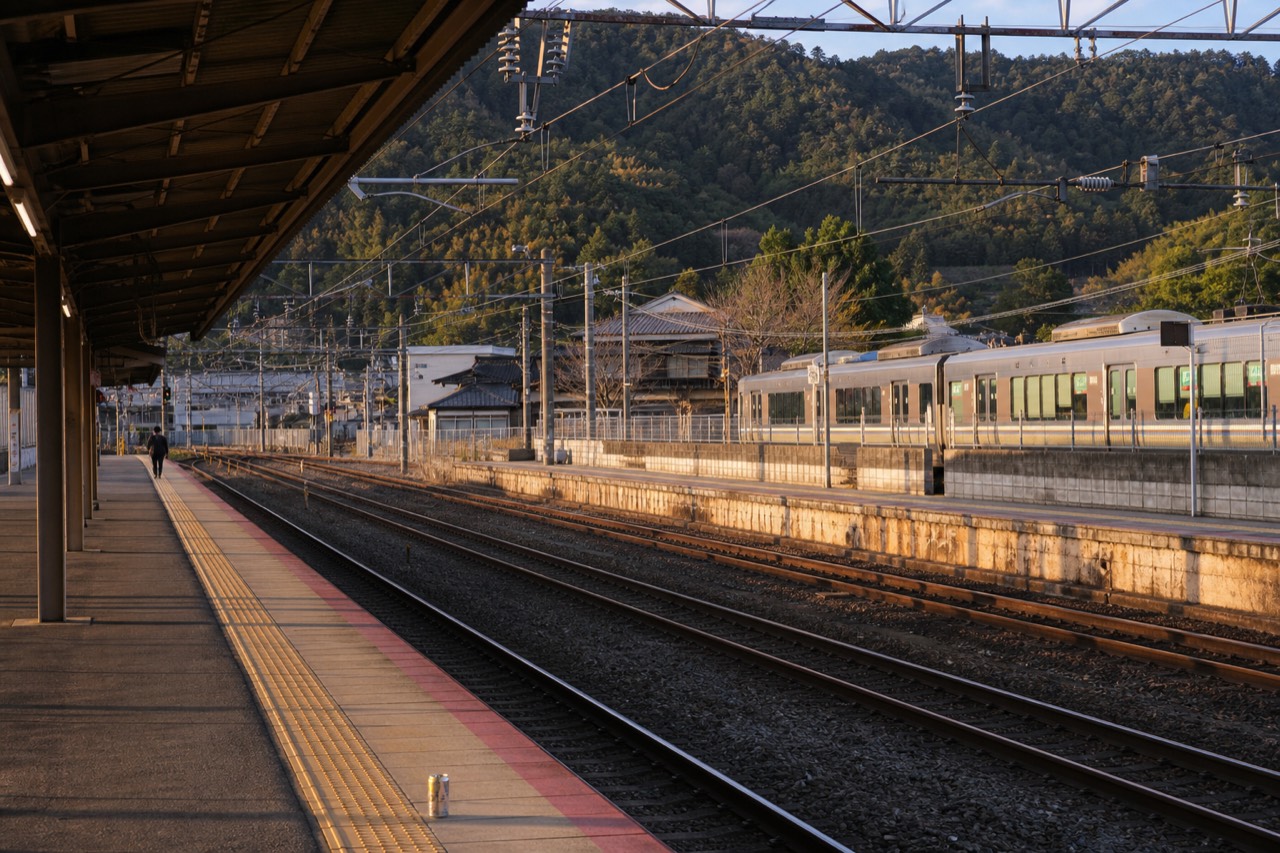
Nara sits in a basin between the two. From Kyoto the Miyakoji Rapid Service on the JR Nara Line takes about 45 minutes, roughly every half hour, for about 720 yen one way. From Osaka the Kintetsu and JR lines take a broadly similar three-quarters of an hour, though the exact fare depends on the route and operators revise fares from time to time. Neither journey is long enough to decide a trip on its own.
What actually tips the decision is the shape of your whole day. A visitor based in Kyoto can fold Nara into a two-city stay without changing hotels. A visitor based in Osaka saves the Osaka to Kyoto leg entirely, and if you take the organised coach day tour that this site covers, the Osaka departures finish at Osaka Namba station, not back in Kyoto, which is a genuine convenience if your bed is in Osaka.
That tour is worth naming early because it is the one product that runs from both cities on the same day. Operated by JTB Sunrise Tours, it runs at 4.8 from 32 reviews, and the cheapest option, a Kyoto departure with no lunch, is from $185.65 per adult. The six departure and lunch combinations sit here:
The three cards above span the price and format range: an early Osaka departure with no lunch, the from-price Kyoto departure, and an Osaka departure with a Western set lunch. Which of the two cities you choose shapes the rest of the day, so it is worth working through the comparison properly.
Which city is closer to Nara by train?
Neither city holds a meaningful travel-time advantage: the fastest trains from both Kyoto and Osaka put you in Nara in roughly 35 to 45 minutes, and the fares sit within a few hundred yen of each other. What actually differs is the arrival station, because Kintetsu drops you a five-minute walk from the park while JR leaves you twenty minutes out, and that difference is worth more than any minute saved on the rails.
From Kyoto you have two competing railways, and they arrive at different stations. The JR Nara Line's Miyakoji Rapid takes about 45 minutes to JR Nara Station, which sits about 15 to 25 minutes' walk from Nara Park. The Kintetsu Kyoto Line's express takes about the same time, for about 760 yen, but stops at Kintetsu Nara Station, which is only about 5 to 8 minutes from the park edge and the Kofuku-ji pagoda. Kintetsu's limited express, with a reserved seat and a surcharge, total about 1,280 yen and takes around 35 minutes.
From Osaka the same two operators run parallel services, Kintetsu from Osaka Namba and JR from Osaka Station, each taking broadly 40 to 55 minutes depending on the train. Fares on those routes shift often enough that it is better to check the current fare at the ticket machine than to trust a number printed in a guide, but the ballpark is comparable to the Kyoto fares. The station-choice logic is identical: Kintetsu Nara is the handier arrival point for the park, JR Nara for the walking route through Naramachi.
| From | Best line | Rough time | Arrives at | Walk to Nara Park |
|---|---|---|---|---|
| Kyoto | JR Nara Line Miyakoji Rapid | ~45 min | JR Nara | 15-25 min |
| Kyoto | Kintetsu express | ~45 min | Kintetsu Nara | 5-8 min |
| Kyoto | Kintetsu limited express | ~35 min | Kintetsu Nara | 5-8 min |
| Osaka | Kintetsu from Namba | ~40-55 min | Kintetsu Nara | 5-8 min |
| Osaka | JR from Osaka Station | ~45-50 min | JR Nara | 15-25 min |
One point that catches rail-pass holders: the Japan Rail Pass covers the JR Nara Line but not Kintetsu. If you are holding a nationwide pass, the JR routing wins by default even though the arrival station is farther from the deer. Pass prices themselves rose for purchases made from 1 October 2026, with the ordinary 7-day pass moving from 50,000 to 53,000 yen, per the official pass site at japanrailpass.net. Even so, a Kyoto-Nara return costs somewhere around 1,440 yen on JR, so the pass is not what decides this particular day trip. More detail on all the rail options sits in our Kyoto to Nara transport guide.
Does an organised tour make the base-city choice for you?
It can, because the one coach tour covering both Kyoto and Nara departs from both cities on the same itinerary, and the two entry points are not interchangeable: the Osaka departures do not return to Kyoto, they finish at Osaka Namba. That single scheduling fact decides the question for anyone whose hotel sits on one side or the other of the Yodo river, and it is buried in the fine print more often than not.
The Kyoto departure meets at 08:20. The Osaka departure meets earlier, at 07:15, because the coach runs roughly 30 to 60 extra minutes each way picking up on that side. The day runs about 10.5 hours from Kyoto on the full itinerary, and the coach ride between Kyoto and Nara takes about 60 to 80 minutes depending on traffic.
The itinerary is the same whichever city you start from: five sightseeing stops, Nijo Castle, Kinkaku-ji, the Kyoto Imperial Palace, then after the drive to Nara, Kasuga Taisha and Todai-ji with Nara Park, plus lunch on the lunch-inclusive options. Lunch happens on the options that include it. A word of honesty here, because the reviewers are consistent about it: the included lunch is a set menu rather than a chance to pick your own food in Kyoto, and there is a cheaper option without it. The no-lunch options are the cheaper ones anyway, and Nara has a far better food scene within a short walk of the park, which our what to eat in Nara guide lays out in full.
If you are weighing the two cities only as a place to sleep before a Nara day, the honest summary is that the tour prices the two entries almost identically, with only the lunch inclusion and the Hong Kong dollar published prices separating them, so base city should follow your wider plans rather than the tour. The published from-price of $185.65 belongs to the Kyoto no-lunch option; the other five combinations are published in Hong Kong dollars, so the departure city itself is not what moves the cost.
What does each base city give you after Nara closes?
Osaka gives you the better evening and Kyoto gives you the better early morning, and that trade is the real decision once the trains cancel each other out. Nara's temples close early in the afternoon, so your day trip ends by late afternoon at the latest and the hours after dark belong entirely to whichever city you sleep in, which makes the base-city question partly a question about what you want to do at night.
Todai-ji's Daibutsuden shuts at 17:30 from April to October and 17:00 through winter, per the temple's own admission page, so your Nara day ends in mid to late afternoon.
From an Osaka base, the evening is dinner in Dotonbori or a walk through Umeda, with a food culture most travellers rank among the best in the country. From a Kyoto base, the evening tends to be quieter, a drink along the Kamo river or an early night, but the mornings are where Kyoto earns its keep: temples open around 06:00 in the case of Kiyomizu-dera, and the first hours of the day are the only genuinely uncrowded ones at the big sights.
There is also the arithmetic of the whole trip to consider. Most first-time visitors give Kyoto two to four full days and Osaka one or two. If Nara is your day three, doing it from Kyoto keeps your luggage in one place for the longest stretch. If your trip is Osaka-heavy, or you are flying out of Kansai Airport on the Osaka side, basing in Osaka and day-tripping both Kyoto and Nara outward is a legitimate structure, and it is exactly what the Osaka departures of the coach tour are built for. Our Nara from Osaka guide covers that structure in more depth.
Where do the deer and the season fit in?
The deer do not care which city you came from, but the season and the hour of your arrival do, and both shape the day more than the base city ever will. The July 2026 census counted 1,687 deer in Nara Park, up 222 on the previous year, and a park with more deer means livelier encounters, more crowded cracker stands, and more reason to be there in the quiet morning hours before the coaches arrive.
The deer are most active in early morning and around feeding time, and the park is at its calmest before the midday coaches arrive. A Kyoto departure on the organised tour meets at 08:20 and reaches Nara in the afternoon; independent travellers leaving Kyoto or Osaka on a first-morning train can be among the deer before 09:00 with no effort at all. During the rutting months of September to November the stags, including de-antlered ones, turn aggressive and must not be approached, and the foundation that manages the herd designates June and November as deer-protection months for exactly these reasons.
Seasonally, cherry blossom in Kyoto flowered on 23 March 2026 with full bloom on 30 March, against a 1991-2020 normal of 26 March and 4 April. If you are timing a spring trip around either city, that late-March window is the one to aim for. Autumn is the other busy season, and one fact most guides get wrong: Kyoto's official maple colouring date is a December date, normally 5 December, 10 December in 2025. The famous mid-November autumn colour in Kyoto is ginkgo gold more than maple red, and Nara's own colouring follows a similar late pattern. Anyone promising peak maple in mid-November is selling folklore.
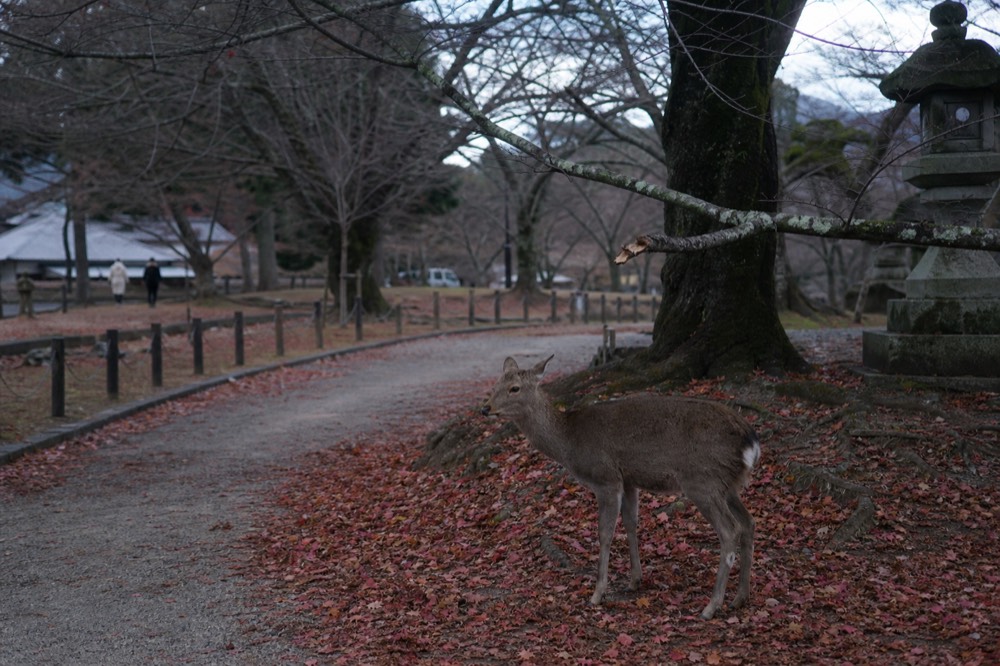
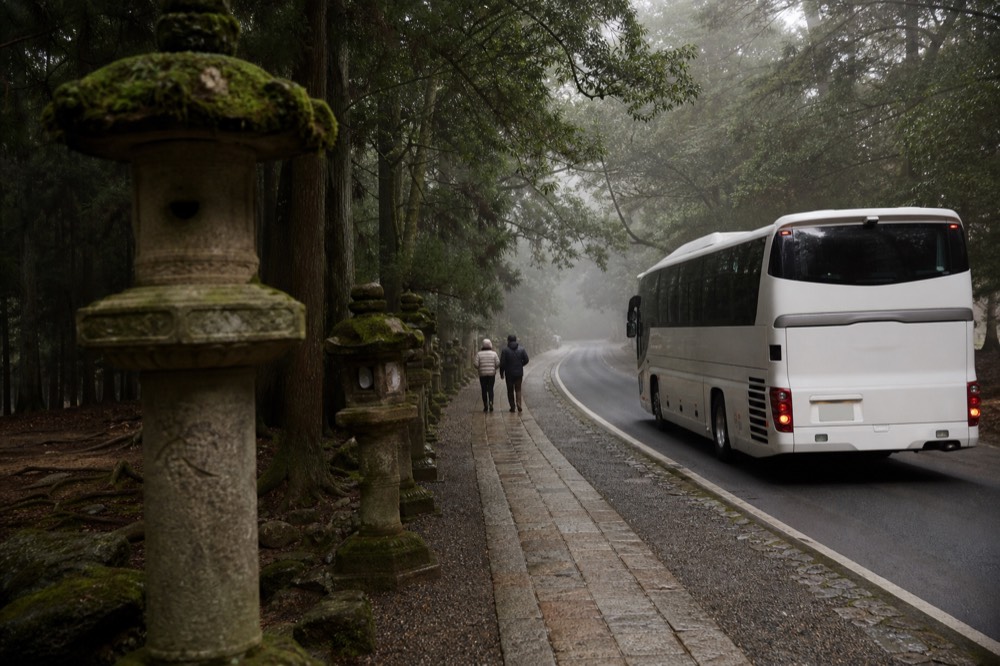
Kasuga Taisha's grounds are free to walk and its lantern-lined approach costs nothing, but the special worship area inside the middle gate charges 700 yen, and the shrine closes that area entirely around parts of March and the New Year period. The shrine's own page lists the closure dates, which shift with the festival calendar. Cash matters more than base city too: Todai-ji and Kofuku-ji both state on their own pages that admission is cash only, so whichever city you start from, carry yen.
So which should you actually choose?
Choose Kyoto as your base if Nara is one day of a Kyoto-centred trip, choose Osaka if you are sleeping there anyway or want the livelier evenings, and let the day tour follow the city rather than the reverse. The transport is near-symmetrical, the costs are within a few hundred yen of each other, and the arrival station on the Kintetsu side is identical from either origin.
The one structural difference worth repeating, because it genuinely changes plans: the Osaka departures of the organised tour end at Osaka Namba and do not return to Kyoto. Book the Osaka option from a Kyoto hotel, or the Kyoto option from an Osaka hotel, and you have invented an unplanned evening commute. The six options are laid out plainly:
For independent travellers the logic is even simpler. Kintetsu from either city delivers you a five-minute walk from the deer, JR delivers you to the quieter, more local side of town, and both run often enough that you can decide on the platform. If you want the fuller picture of what the day can hold, our Nara day trip from Kyoto guide walks a complete independent itinerary.
This site, Kyoto Nara Day Tour, exists to cover that single coach tour and the two cities it links, and the honest bottom line on the base-city question is that it is the least important decision in your trip. Pick the city that fits your hotel and your evenings, and spend your planning energy on the timing instead.
Both cities work as a Nara base, the trains take under an hour from either one, and the organised tour departs from both, so the short answers below settle the remaining details: journey times, which station to aim for, where the coach drops you, and whether a rail pass changes any of it.
Common questions about visiting Nara from Kyoto or Osaka
Is it better to visit Nara from Kyoto or Osaka?
Kyoto suits a Kyoto-centred trip with Nara as one day; Osaka suits an Osaka base or livelier evenings. The trains take roughly the same 35 to 55 minutes from either city, so the choice should follow your hotel, not the railway.
How long is the train from Kyoto to Nara?
About 45 minutes on the JR Miyakoji Rapid or the Kintetsu express, about 35 minutes on the Kintetsu limited express with its surcharge. The JR fare is about 720 yen and the Kintetsu express about 760 yen, though fares change over time.
Which Nara station is closest to Nara Park?
Kintetsu Nara Station, about 5 to 8 minutes on foot from the park edge and Kofuku-ji. JR Nara Station is a 15 to 25 minute walk. Trains from both Kyoto and Osaka serve both stations, so the line you pick decides your arrival point.
Does the coach day tour return to Kyoto from Osaka?
No. The Osaka departures of the Kyoto and Nara day tour end at Osaka Namba station and do not run back to Kyoto. The Kyoto departures return to Kyoto.
Is the Japan Rail Pass worth it for a Nara day trip?
Not for this trip alone. A Kyoto-Nara return on JR costs roughly 1,440 yen, and the pass, whose ordinary 7-day price rose to 53,000 yen for purchases from 1 October 2026, only pays off across a much wider itinerary. The pass also does not cover Kintetsu.
When are the Nara deer most active?
Early morning and around feeding time. The deer are habituated but wild, and during the September to November rut the stags, even de-antlered ones, should not be approached. Feed them only the shika senbei crackers sold in the park, about 200 yen a bundle, and hand a cracker over quickly rather than holding it.