Best Day Trips from Kyoto: Nara, Osaka, Arashiyama and Himeji Compared
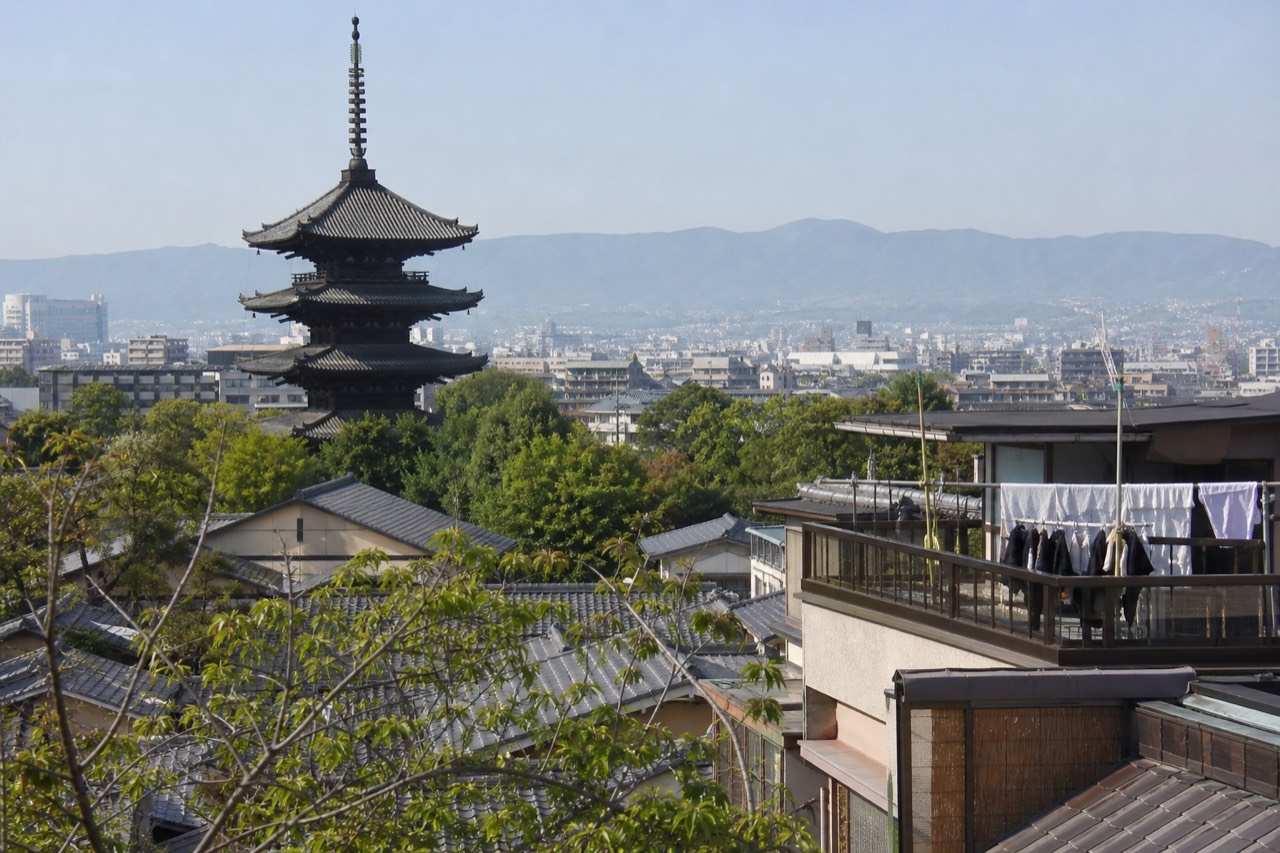
Kyoto is a city that rewards slow mornings, but the best day trips from Kyoto turn a single day into two very different worlds.
Short answer
The best day trips from Kyoto are Nara (45 minutes by train, UNESCO temples and deer), Osaka (30 to 60 minutes, street food and Osaka Castle), Arashiyama (20 minutes, bamboo grove and temples), Uji (20 minutes, matcha and Byodo-in) and Himeji (1 hour by shinkansen, Japan's finest castle). Nara packs the most into one day for the least train time, while Osaka and Himeji reward a faster train and a bigger city.
Kyoto sits in a basin ringed by mountains, but the real draw of the city is how fast you can leave it. A morning at a temple, a midday train, and by early afternoon you are standing in front of Japan's largest bronze Buddha or eating takoyaki under neon lights. The best day trips from Kyoto are not escapes, they are second acts. This guide compares the five most practical routes, Nara, Osaka, Arashiyama, Uji and Himeji, on travel time, cost, how full a day they fill and when a guided coach makes more sense than a train ticket.
While this guide compares independent day trips, the dedicated Kyoto Nara Day Tour page explains the single coach tour we cover in detail. That tour visits Nijo Castle, Kinkaku-ji, the Kyoto Imperial Palace, Kasuga Taisha, Todai-ji and Nara Park, and it does not go to Arashiyama, Uji or Himeji.
What are the best day trips from Kyoto?
Nara, Osaka, Arashiyama, Uji and Himeji each work as a day trip from Kyoto, but they serve very different interests. Nara gives you UNESCO temples and deer in about 45 minutes. Osaka delivers street food and a castle in 30 to 60 minutes. Arashiyama is a 20-minute ride to a bamboo grove. Uji offers matcha and the Byodo-in Phoenix Hall. Himeji demands the fastest train but rewards with Japan's finest surviving castle.
The choice turns on what you want from a day away from Kyoto.
| Destination | Travel time from Kyoto | Approx. one‑way fare | Highlights | Guided coach tour available? |
|---|---|---|---|---|
| Nara | ~45 min (JR Miyakoji Rapid) | ~720 yen | Todai-ji Great Buddha, Kasuga Taisha, Nara Park deer, Kofuku-ji pagoda | Yes, the Kyoto and Nara Day Tour covers Nara plus Kyoto sites |
| Osaka | ~30 min (JR Special Rapid) to ~60 min (local) | Varies by train type | Osaka Castle, Dotonbori street food, Umeda Sky Building | No dedicated Kyoto‑departure coach tour; Osaka‑based tours exist |
| Arashiyama | ~20 min (JR Sagano Line) | Varies | Bamboo grove, Tenryu-ji, Togetsukyo Bridge, monkey park | No coach tour needed; it is a short local train ride |
| Uji | ~20 min (JR Nara Line local) | Varies | Byodo-in Phoenix Hall, matcha shops, Uji River cormorant fishing (seasonal) | No coach tour; easily done independently |
| Himeji | ~1 h (Shinkansen) | Shinkansen fare applies | Himeji Castle, Koko-en Garden | No single‑day coach tour from Kyoto; Shinkansen is the fastest route |
Each destination can be reached with a Japan Rail Pass, though the pass only makes financial sense if you are already using it for longer intercity travel. A Kyoto‑Nara return costs about 1,440 yen on JR, far below the daily cost of a pass, even before the 1 October 2026 price increase that lifts the 7‑day ordinary pass from 50,000 yen to 53,000 yen.
Nara day trip from Kyoto: temples, deer and a full day
Nara is the strongest single‑day answer from Kyoto. Two UNESCO World Heritage sites, a park of more than 1,600 sacred deer and a compact walkable centre sit 45 minutes away on the JR Miyakoji Rapid Service. You can stand in front of the 14.98‑metre Great Buddha, walk through hundreds of stone lanterns at Kasuga Taisha and feed shika senbei to deer that bow for the cracker, all before a late‑afternoon train back to Kyoto.
Nara packs more into a half‑day than most cities manage in two. Todai-ji's Daibutsuden, a vast wooden hall, houses the bronze Vairocana Buddha cast in the 8th century. The hall itself measures about 57 metres wide and nearly 49 metres high, and the present structure, rebuilt in 1709, is actually a scaled‑down version of the original. Admission is 800 yen, cash only, and a combined ticket with the museum costs 1,200 yen. Kasuga Taisha’s outer grounds are free, while the special worship area inside the middle gate costs 700 yen, a fee that rose from 500 yen in October 2024. The shrine is famous for its roughly 2,000 stone and 1,000 hanging lanterns, lit twice a year during the Setsubun Mantoro in February and the Chugen Mantoro in August.
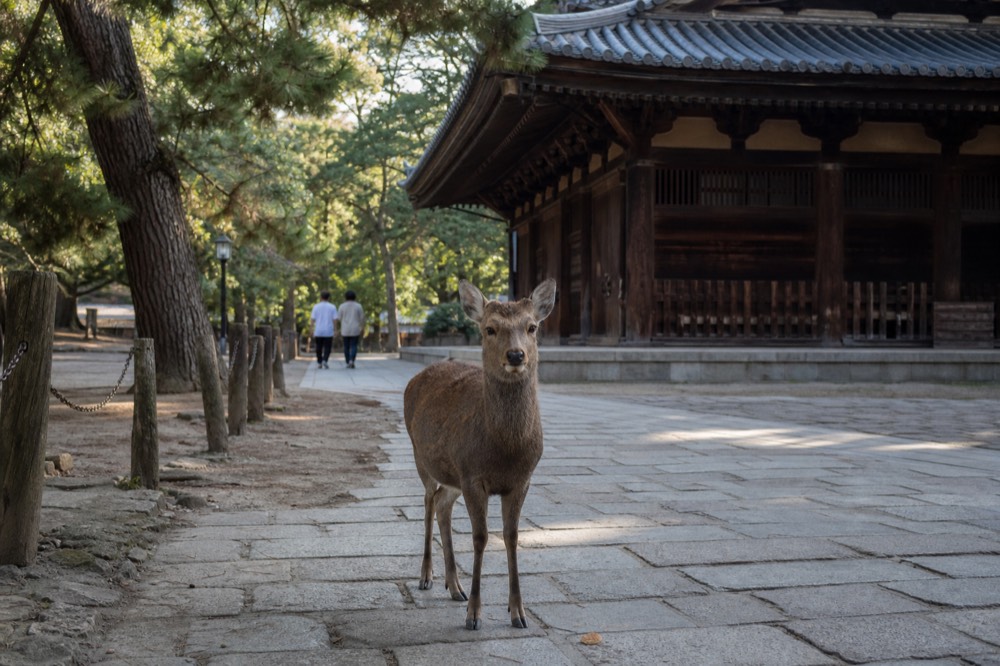
The deer are the reason many visitors choose Nara over any other day trip. The Nara Deer Preservation Foundation counted 1,687 deer in its July 2026 census, the highest number in recent years and 222 more than the previous year. The deer are wild, protected as a National Natural Monument, and they bite, butt and charge, especially during the September‑to‑November rut. The foundation designates June and November as official deer‑protection months and warns visitors to feed nothing except shika senbei, handing the cracker over fast and never holding it in a closed fist. A bundle of about ten crackers costs about 200 yen from licensed vendors around the park. For a deeper look at the deer and the park’s rules, read our Nara Deer Park guide.
The Kyoto and Nara Day Tour bundles the city’s Nijo Castle, Kinkaku‑ji and the Imperial Palace with Nara’s deer park and temples into a single coach day. It removes the train transfer, the station‑to‑park walk and the queue for temple tickets, and a licensed English guide narrates the whole route. For a first‑time visitor who wants both cities in one day without managing Japanese rail timetables, it is the simplest option on the market.
Read the full tour breakdown Check availability
If you prefer to travel independently, the JR Nara Line is the fastest way. The Miyakoji Rapid runs roughly every 30 minutes and takes about 45 minutes. Kintetsu offers a slightly closer station to the park, about a 5‑to‑8‑minute walk versus 15 to 25 minutes from JR Nara Station, but the express train costs 760 yen and the limited express adds a 520‑yen surcharge. Neither fare is covered by the Japan Rail Pass. For the full train comparison, see our Kyoto to Nara transport guide.
| Tour option | Departure | Lunch | Published price |
|---|---|---|---|
| Kyoto, no lunch | Kyoto, 08:20 meet | None | $185.65 |
| Kyoto, Western set lunch | Kyoto | Western set | HK$1,597 |
| Kyoto, Indian Thali lunch | Kyoto | Indian Thali | HK$1,597 |
| Osaka, no lunch | Osaka, 07:15 meet | None | HK$1,597 |
| Osaka, Western set lunch | Osaka | Western set | HK$1,698 |
| Osaka, Indian Thali lunch | Osaka | Indian Thali | HK$1,698 |
Osaka day trip: food, castle and bright lights
Osaka is the loud, fast, neon‑lit counterpoint to Kyoto’s temple quiet. A Special Rapid train from Kyoto Station reaches Osaka Station in about 30 minutes, and the city delivers two things Kyoto does not: a proper street‑food culture and a castle that dominates its skyline. The trip works as a half‑day food run or a full day that stretches well past dark.
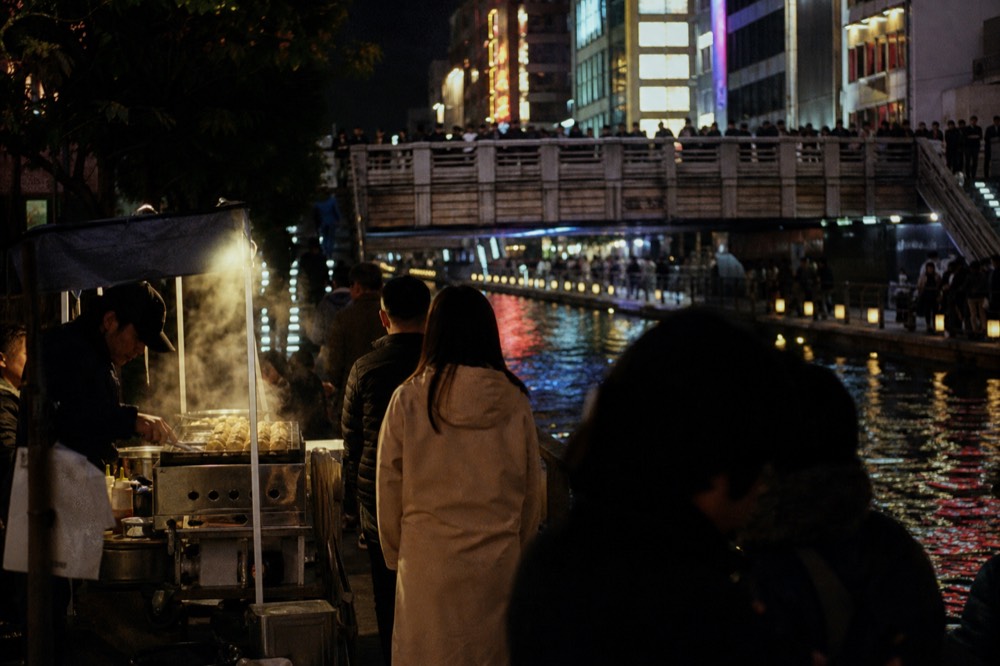
Osaka Castle, rebuilt in concrete in the early 20th century, houses a museum inside and offers a panoramic view from the top floor. The surrounding Nishinomaru Garden is a cherry‑blossom spot in late March and early April. From the castle, a short subway ride or a 30‑minute walk leads to Dotonbori, the canal‑side strip where takoyaki, okonomiyaki and kushikatsu stalls run shoulder to shoulder under giant mechanical crabs and neon signs. The area stays busy until midnight, so a late train back to Kyoto is easy to catch.
No single coach tour from Kyoto covers Osaka as a day trip, and that is part of the appeal. Osaka is a city you explore on foot and by subway, not from a bus window. The train fare is low enough that a guide adds little practical value. The real question is whether you want to spend a day of your Kyoto stay in a city that feels like a different country, and for many travellers the answer is yes.
If you are already booking the Kyoto and Nara Day Tour, the Osaka leg is a separate day entirely. The tour’s Osaka‑departure option meets at Hotel Granvia Osaka 1F at 07:15 and ends at Osaka Namba, so it can serve as a Nara day trip from an Osaka base rather than a Kyoto‑to‑Osaka day.
Arashiyama: bamboo, temples and the shortest trip
Arashiyama is the day trip that barely counts as a trip. A 20‑minute JR Sagano Line ride from Kyoto Station puts you at the edge of a bamboo grove, a UNESCO temple garden and a broad river crossed by a wooden bridge. It is the easiest half‑day escape from the city and the one that demands the least planning.
The bamboo path, free and open at all hours, runs for about 200 metres between Tenryu‑ji temple and the Okochi‑Sanso villa. Early morning, before 8:00, is the only time the path feels empty. Tenryu‑ji’s garden, a 14th‑century Zen landscape, charges one fee for the garden alone and a separate one for the temple buildings. Across the river, the Iwatayama Monkey Park requires a 20‑minute uphill hike and a 600‑yen entry fee, but the view back over Kyoto from the top is worth the climb.
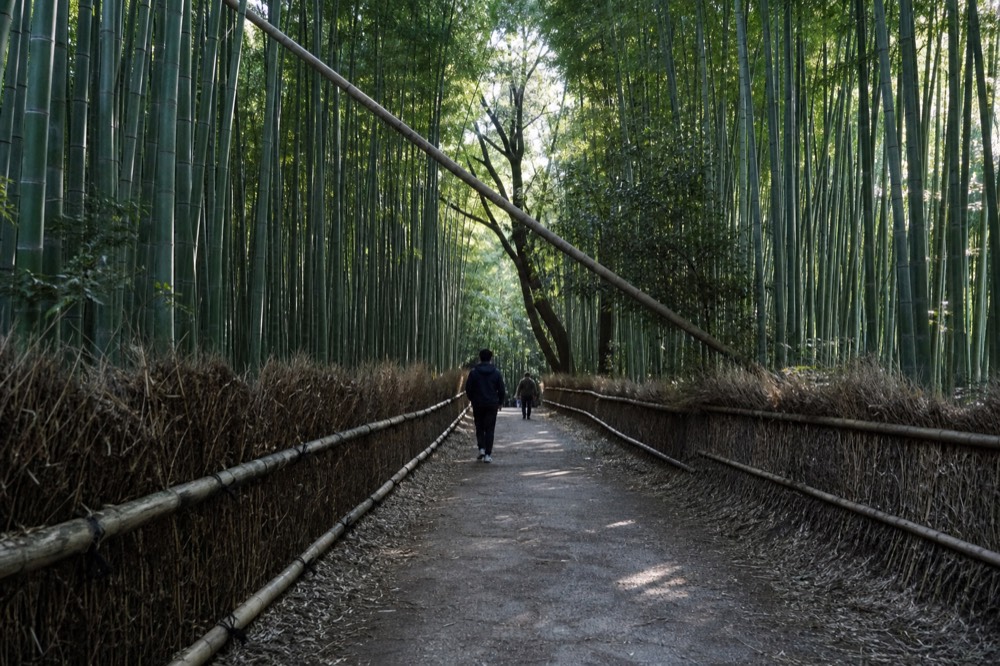
Arashiyama does not need a guided tour. The train is short, the route is obvious and the attractions are clustered within a 15‑minute walk of the station. The Kyoto and Nara Day Tour does not visit Arashiyama, and that is deliberate: the coach tour runs east and south to Nara, while Arashiyama sits west of the city. Trying to combine the two in a single day would mean a rushed, disjointed itinerary. If your Kyoto stay is long enough, do Arashiyama on one morning and Nara on another full day.
Uji: tea, matcha and the Byodo-in Phoenix Hall
Uji is the smallest and quietest of the five day trips, a 20‑minute local train south of Kyoto that revolves around two things: matcha and a single temple so famous it appears on the 10‑yen coin. The Byodo‑in Phoenix Hall, built in the 11th century, is the last surviving example of Heian‑period Pure Land architecture, and its reflection in the pond in front of it is one of the most photographed scenes in Japan.
The temple grounds cost 700 yen, and an additional 300 yen lets you enter the Phoenix Hall itself on a timed tour. The attached museum, Hoshokan, displays the original temple bells, the phoenix roof ornaments and a digital reconstruction of the hall’s original colour scheme. Across the river, the main street of Uji is lined with tea houses that have been roasting and grinding tencha leaves for centuries. A bowl of matcha and a wagashi sweet at a shop like Nakamura Tokichi is the real reason many visitors make the trip.
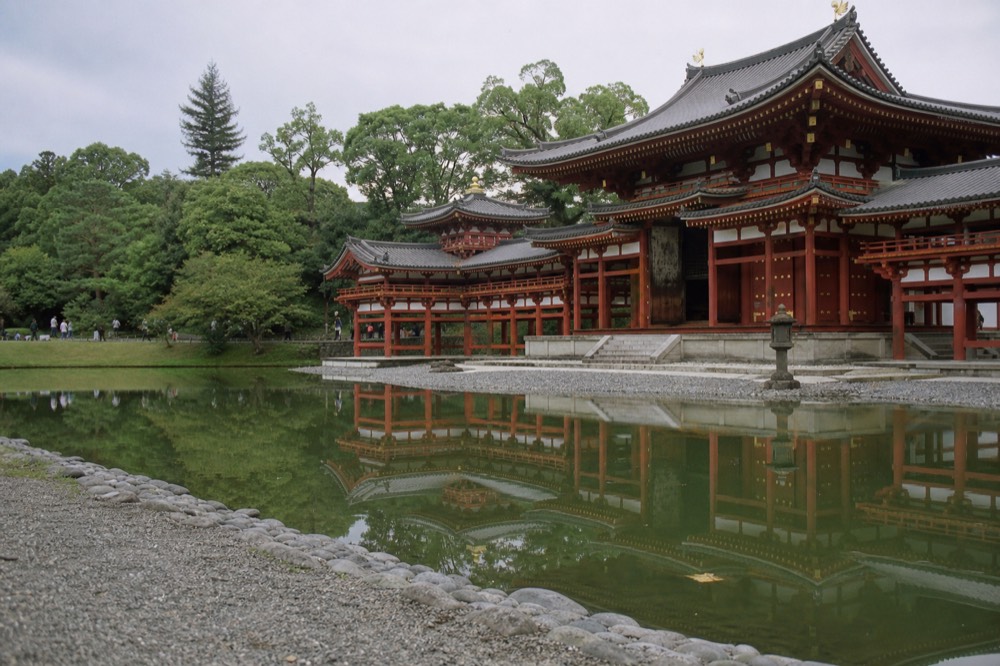
Uji works as a half‑day add‑on to a Nara trip if you take the JR Nara Line local train and get off at Uji on the way, but the timing is tight. The Kyoto and Nara Day Tour does not stop at Uji, so if matcha and the Phoenix Hall are priorities, you will need a separate morning. For most visitors, Uji is a quieter, more focused alternative to Arashiyama, with better tea and far fewer people.
Himeji: Japan's finest castle, an hour away
Himeji Castle is the best‑preserved original castle in Japan, a six‑storey wooden keep that survived the feudal era and the war. A Shinkansen from Kyoto reaches Himeji in about an hour, and the castle is a 15‑minute walk straight down the main boulevard from the station. The round trip can be done in four hours, but a full day lets you add the neighbouring Koko‑en Garden and a lunch of Himeji‑style oden.
The castle admission is 1,000 yen, or 1,050 yen for a combined ticket with Koko‑en. Inside, the steep wooden stairs, the stone‑drop windows and the bare, unadorned rooms make it clear this was a fortress, not a palace. The view from the top floor stretches across the Harima Plain to the Seto Inland Sea on a clear day. Himeji is the only day trip on this list that justifies the Shinkansen, and the train cost is the main barrier. An unreserved seat on the Hikari or Kodama costs significantly more than the local trains to Nara or Osaka, and the round trip is the most expensive of the five options.
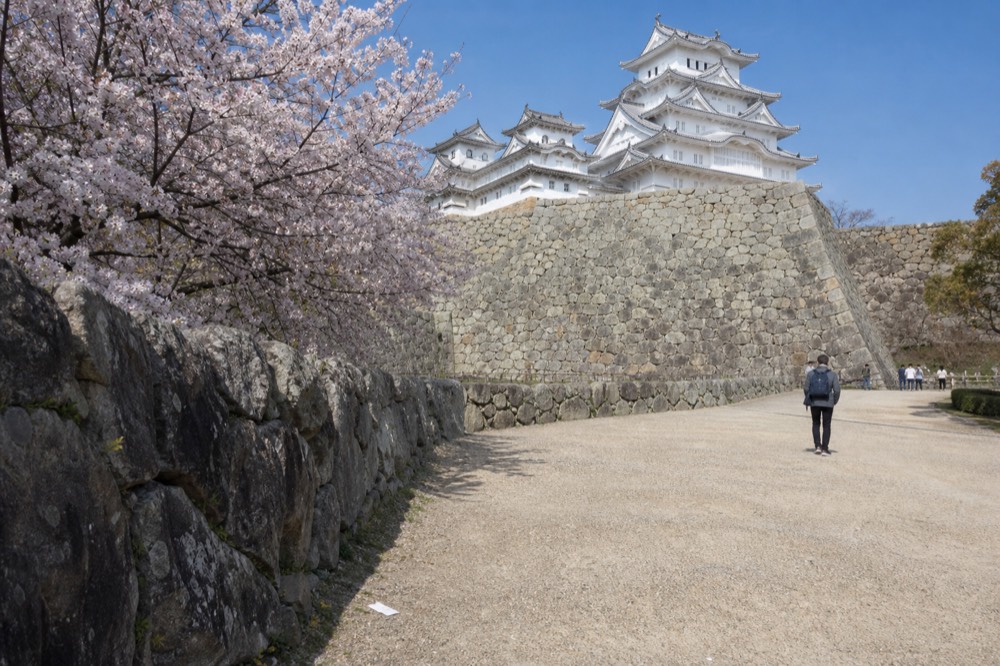
The Japan Rail Pass covers the Shinkansen, including the Hikari service that stops at Himeji, so if you already hold a pass the trip is effectively free. Without a pass, the cost is high enough that Himeji only makes sense if a feudal castle is a must‑see. The Kyoto and Nara Day Tour does not go anywhere near Himeji; it runs east to Nara, not west.
How long does each trip take and what does it cost?
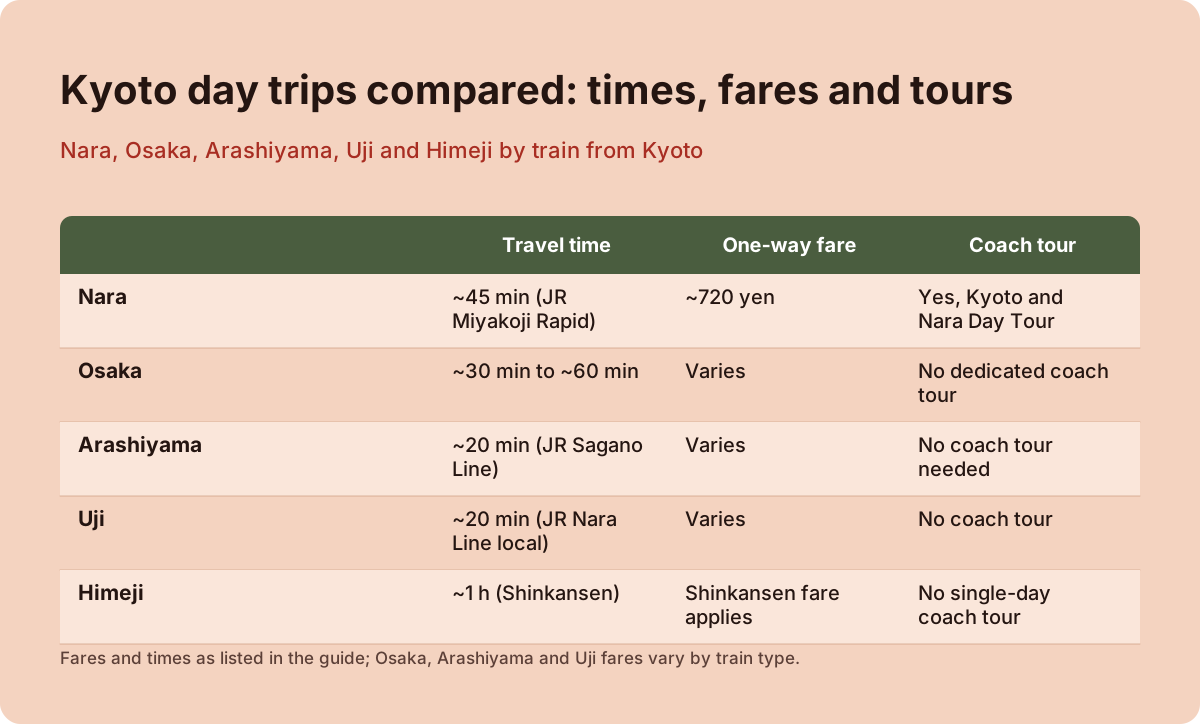
A full comparison of the five day trips on travel time, round‑trip fare and the number of major sights puts Nara at the top for value per minute. Himeji costs the most and delivers a single world‑class sight. Osaka and Arashiyama cost the least but fill very different kinds of days.
The table below uses approximate 2026 fares where available. JR and Kintetsu fares change periodically, and the Shinkansen fare varies with the seat type and the season. The Japan Rail Pass price increase from 1 October 2026, raising the 7‑day ordinary pass from 50,000 yen to 53,000 yen, does not change the arithmetic for a Kyoto‑Nara return, which at about 1,440 yen remains far below the daily break‑even point of any pass.
| Destination | One‑way travel time | Round‑trip fare (approx.) | Major sights (half‑day) | Full day needed? |
|---|---|---|---|---|
| Nara | ~45 min (JR Rapid) | ~1,440 yen | 4–5 (Todai‑ji, Kasuga, Kofuku‑ji, deer park) | Yes, to see temples and the park |
| Osaka | ~30–60 min | Varies | 2–3 (castle, Dotonbori, Umeda) | Half‑day possible, full day for food and museum |
| Arashiyama | ~20 min | Varies | 3–4 (bamboo grove, Tenryu‑ji, monkey park) | Half‑day is enough |
| Uji | ~20 min | Varies | 2–3 (Byodo‑in, tea houses, river) | Half‑day, can combine with Nara |
| Himeji | ~1 h (Shinkansen) | Shinkansen fare applies | 1–2 (castle, Koko‑en) | Half‑day if you take an early Shinkansen |
The train is only part of the cost. Temple admissions add up fast in Nara: Todai‑ji Daibutsuden 800 yen, Kasuga special worship 700 yen and Kofuku‑ji Central Golden Hall 500 yen, all cash only, put the independent visitor at 2,000 yen before lunch. The Kyoto and Nara Day Tour rolls all those admissions into a single price, and the coach removes the station‑to‑park walks that eat into a tight schedule.
When should you take a guided tour instead of going alone?
A guided coach tour makes the most sense when the day involves multiple cities, multiple temple entries and a fixed return time. Nara is the only destination on this list where a single tour covers both the Kyoto and Nara sides in one booking. For Osaka, Arashiyama, Uji and Himeji, independent travel is cheaper and gives you more control, because the train is short and the sights are clustered within walking distance of the station.
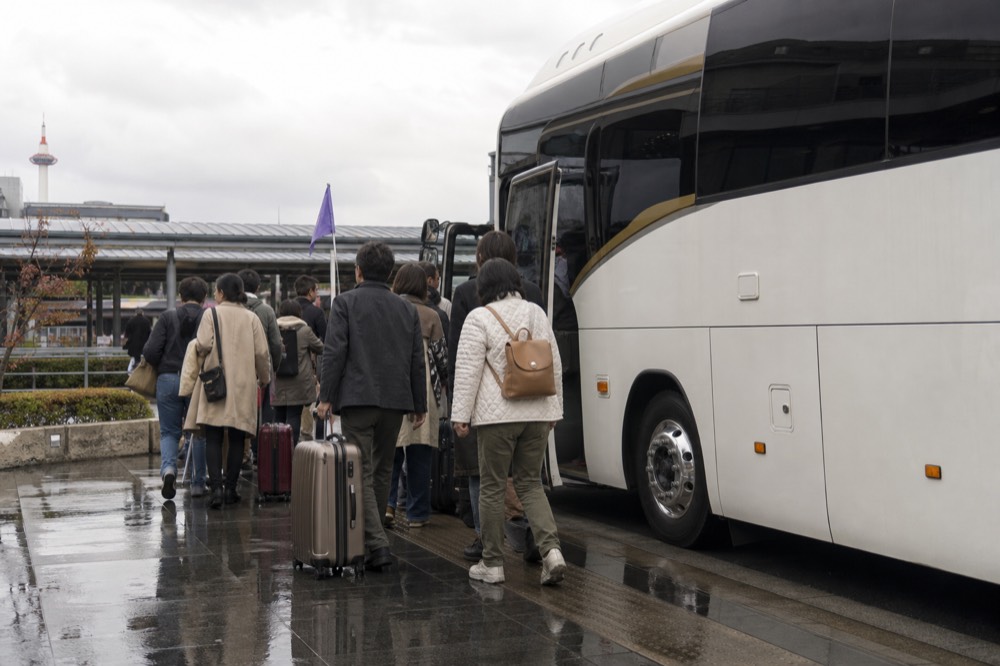
The Kyoto and Nara Day Tour exists because the independent Nara day trip, while straightforward, still requires a train transfer, a 15‑to‑25‑minute walk from JR Nara Station to the park, and separate cash payments at three or four temples. The coach tour meets at the Sunrise Tours desk, Kyoto Avanti B1F, across from Kyoto Station, and returns you to the same spot. The Osaka‑departure option meets at Hotel Granvia Osaka 1F and ends at Osaka Namba, so it works for travellers staying in Osaka who want a Nara day without the train.
For the other four destinations, a guide rarely adds enough to justify the cost. Arashiyama’s bamboo grove and Tenryu‑ji are self‑explanatory. Uji’s Byodo‑in has excellent English signage and an audio guide. Osaka is a subway city where a guide would slow you down. Himeji Castle offers a free English volunteer guide service at the main gate, and the castle itself is the narrative. The train is the guide.
The tour does not visit Fushimi Inari, Kiyomizu‑dera or Arashiyama, so if those are on your Kyoto list you will need separate mornings. The coach route is designed to pair the city’s three most important flat‑ground sites, Nijo Castle, Kinkaku‑ji and the Imperial Palace, with Nara’s deer park and temples, and that combination is what the price covers.
Common questions about day trips from Kyoto
Can you do Nara and Osaka in one day from Kyoto?
It is possible but rushed. A morning in Nara, a midday train to Osaka and an evening in Dotonbori works if you start early. You will see the deer park and Todai‑ji in Nara and the castle and food street in Osaka, but you will miss Kasuga Taisha and any deeper exploration. The train between Nara and Osaka takes about 50 minutes on the JR Yamatoji Line, so factor in at least an hour of transit between the two.
Is Arashiyama worth a full day?
Arashiyama is best as a half‑day trip. The bamboo grove, Tenryu‑ji and the monkey park can be done in three to four hours. If you add the Sagano Romantic Train or a boat ride on the Hozu River, a full day is possible, but most visitors combine Arashiyama with a morning temple in central Kyoto and are back by early afternoon.
Do I need a Japan Rail Pass for day trips from Kyoto?
No. A Japan Rail Pass only makes financial sense if you are taking at least one long‑distance Shinkansen journey, such as Tokyo to Kyoto. A Kyoto‑Nara return costs about 1,440 yen, far below the daily cost of a pass even after the October 2026 price increase. If you already hold a pass for intercity travel, it covers the JR Nara Line and the Shinkansen to Himeji, but it does not cover Kintetsu trains.
Which day trip is best with children?
Nara is the strongest choice for children. The deer are a constant, tactile attraction, and feeding them shika senbei is a highlight for most kids. Todai‑ji’s enormous Buddha and the scale of the hall impress even young children. Arashiyama’s monkey park involves a steep uphill walk that may be hard for small children, and Osaka’s Dotonbori is crowded and loud at night.
Can I visit Fushimi Inari and Nara in one day?
It is possible but tiring. Fushimi Inari is on the JR Nara Line, two stops from Kyoto Station, so you can stop there on the way to Nara. The shrine’s paths are open at all hours and a quick visit to the first torii tunnel takes about an hour. A full hike to the summit takes two to three hours, which would leave little time for Nara. The Kyoto and Nara Day Tour does not stop at Fushimi Inari.