Can you do Nara in half a day?
Yes, Nara works in half a day if you focus on Nara Park, Todai-ji and Kasuga Taisha. Here is a realistic four-hour plan and what to leave out.
Can you do Nara in half a day?
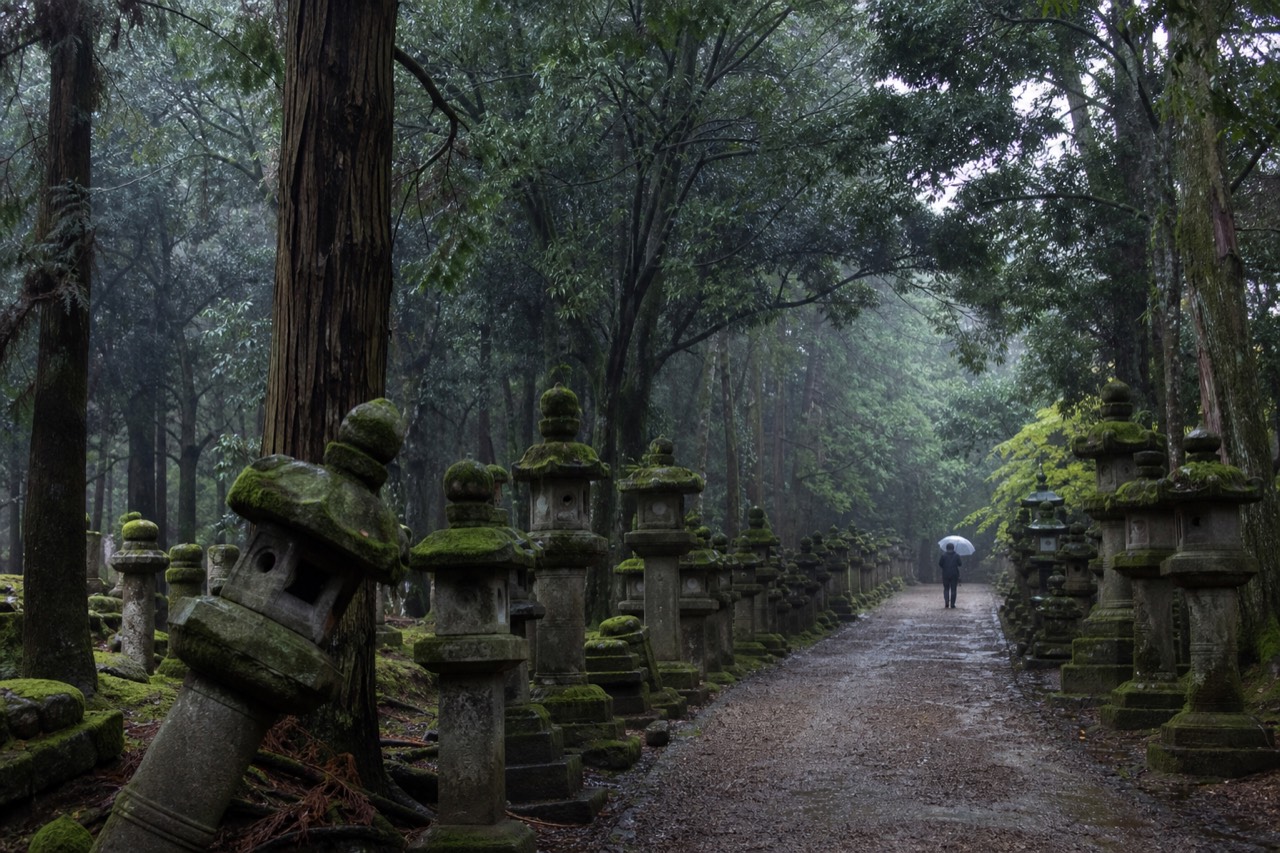
Yes, Nara works in half a day, because the three headline sights, Todai-ji's Great Buddha hall, the free-roaming deer of Nara Park and the lantern-lined approach to Kasuga Taisha, all sit within a fifteen-minute walk of each other around the park. A disciplined four to five hours covers all three at a comfortable pace. What half a day cannot absorb is Naramachi, the Nara National Museum at a leisurely pace, and a long lunch, so the plan has to make cuts deliberately rather than by accident.
The reason the compressed version works is geography. Kyoto's famous sights scatter across a valley and demand a bus between almost every pair; Nara's core is a single basin with the park at the middle. Kintetsu Nara Station sits about five to eight minutes on foot from the edge of the park, and the walk from there past Kofuku-ji to Todai-ji takes most people under twenty minutes at a stroll. Nothing in the central loop requires a bus, a taxi or a second train, which is the quiet structural advantage Nara holds over almost every other day trip in the Kansai region.
That compactness is exactly why organised day tours can pair a full Kyoto morning with a Nara afternoon. The Kyoto and Nara Day Tour operated by JTB Sunrise Tours does precisely that: Nijo Castle, Kinkaku-ji and the Kyoto Imperial Palace before lunch, then Kasuga Taisha, Todai-ji and Nara Park in the second half of the day. If a coach operator can fit Nara into an afternoon around other stops, an independent traveller with the whole half-day to spend is not rushed at all. The tour runs about 10.5 hours from Kyoto, about 11 hours 15 minutes from Osaka, and Nara's slice of it is the same loop this article describes.
The honest framing is this: half a day is enough for Nara's greatest hits, and most visitors are satisfied with exactly that. Travellers who love temple interiors, want hours with the deer, or hope to browse the old merchant houses of Naramachi will want longer. The rest of this article lays out what a good half day looks like, hour by hour, and names the things you should consciously decide to skip.
What does a realistic four-hour Nara itinerary look like?
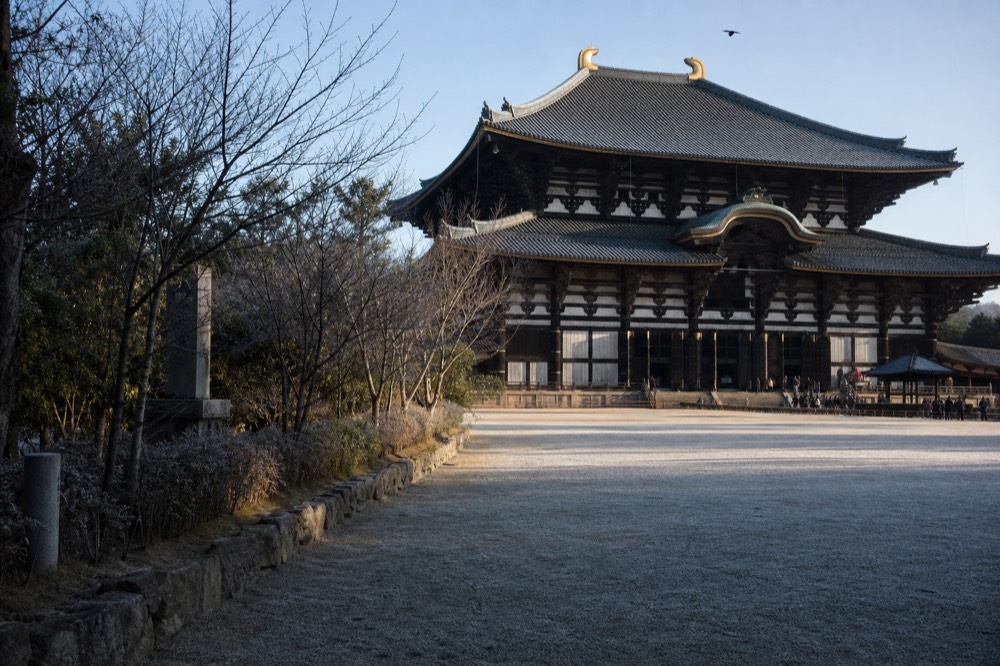
Start at Kintetsu Nara Station rather than JR Nara Station, walk to Kofuku-ji's pagoda first for the photo, spend ninety minutes inside Todai-ji and its museum, give an hour to the deer along the park's edges, then finish with the Kasuga Taisha approach before returning, and the whole loop closes in roughly four hours at an unhurried pace. The order matters: Todai-ji first avoids the midday coach crowds that arrive from Kyoto and Osaka around noon, and the shrine approach last makes a calm, shaded ending.
Hour by hour, the plan looks like this:
| Time block | What you do | Notes |
|---|---|---|
| 0:00-0:20 | Kintetsu Nara Station to Kofuku-ji pagoda | About a 5-8 minute walk to the park edge; the pagoda is visible from the street |
| 0:20-0:40 | Kofuku-ji exterior and Sarusawa Pond | The pagoda is fully enclosed in a steel restoration cover until March 2034, so view it as a shrouded landmark |
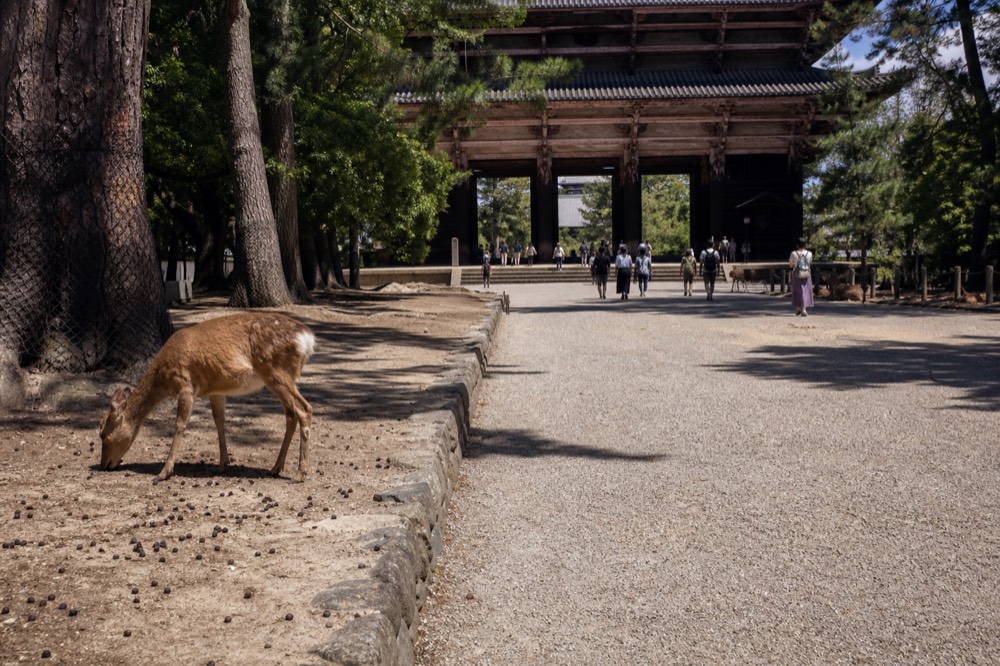
| 0:40-2:10 | Todai-ji: Daibutsuden and, if it appeals, the Museum | Adult hall entry 800 yen, cash only; set ticket with the Museum 1,200 yen |
| 2:10-3:10 | Nara Park deer time along the route to Kasuga Taisha | Shika senbei about 200 yen a bundle from park stalls |
| 3:10-3:50 | Kasuga Taisha approach and outer grounds | Stone lanterns and cedar shade; special worship inside the middle gate is 700 yen |
| 3:50-4:00 | Walk back toward the station | The return passes the park again, with more deer |
Two timing details are worth fixing in advance. Todai-ji's Daibutsuden opens 07:30-17:30 from April to October and 08:00-17:00 from November to March, so an early start even in winter gives a full half day before the afternoon. And the temple's admission is cash only, a rule it states on its own admission page, as is Kofuku-ji's, so arrive with yen notes; 7-Eleven and Japan Post cash machines accept foreign cards if you need to top up.
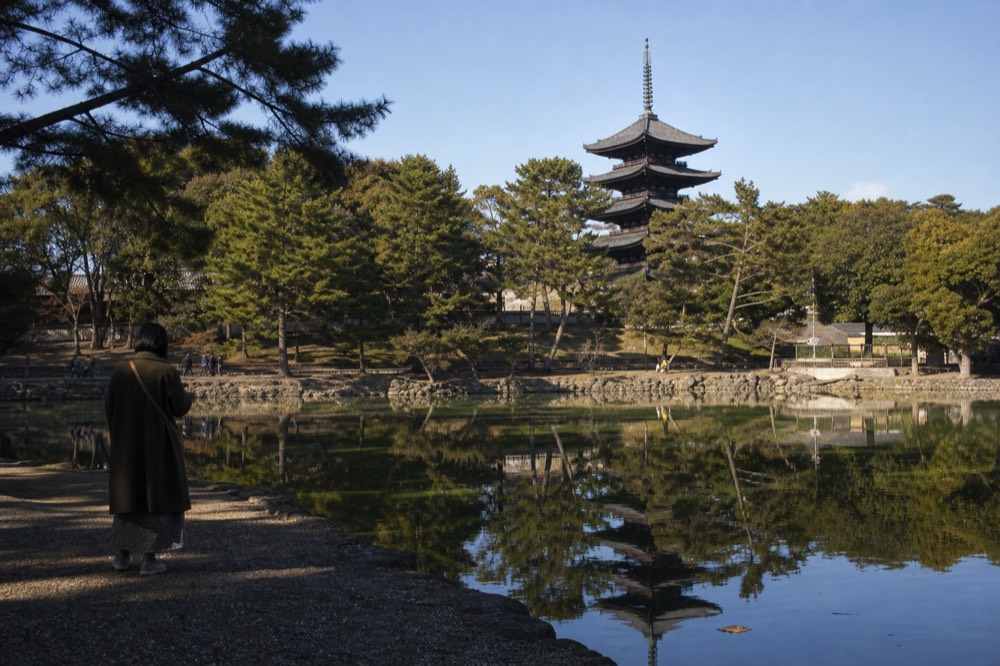
The one structural change every 2026 and 2027 visitor should know about: Kofuku-ji's Five-Storied Pagoda, one of Nara's signature silhouettes, has been completely enclosed in a roughly 60-metre steel weather cover since March 2025 for its first full conservation repair in about 120 years. The temple's own restoration project pages put completion at March 2034. You can still see the shrouded form and the pond reflection, but anyone planning a classic pagoda photograph will be disappointed, and guide content showing it bare is years out of date.
Which Nara sights should you skip if you only have half a day?
Skip Naramachi's old merchant district, the Nara National Museum unless sculpture is a priority, the Isui-en garden, and any sit-down lunch longer than thirty minutes; each is a good use of a full day but each eats the buffer that makes a half day feel calm rather than frantic. The cut list is not a judgement of quality. It is arithmetic. Four hours holds about three stops done properly, and the three that define Nara are the Great Buddha, the deer and the shrine approach.
Naramachi is the hardest cut, because it is genuinely charming: former merchant townhouses, small cafes and craft shops a few blocks south of the park. But browsing it properly wants an hour and a half of unhurried wandering, and it sits in the opposite direction from Kasuga Taisha. The museum holds one of Japan's great Buddhist sculpture collections, yet that deserves slow looking, not a sprint. Isui-en, a Meiji-era garden with borrowed scenery, is lovely and easy to drop for time reasons alone.
Lunch deserves a specific warning for anyone weighing a tour against independent travel. On the organised Kyoto and Nara day tours, the included lunch is the one element of the day this site treats with caution, and the cheaper option without lunch exists partly for that reason. The cheaper no-lunch variants exist for exactly this reason: eat something quick from a station bakery or a Nara side-street shop, and put the money and the thirty minutes into the park instead.
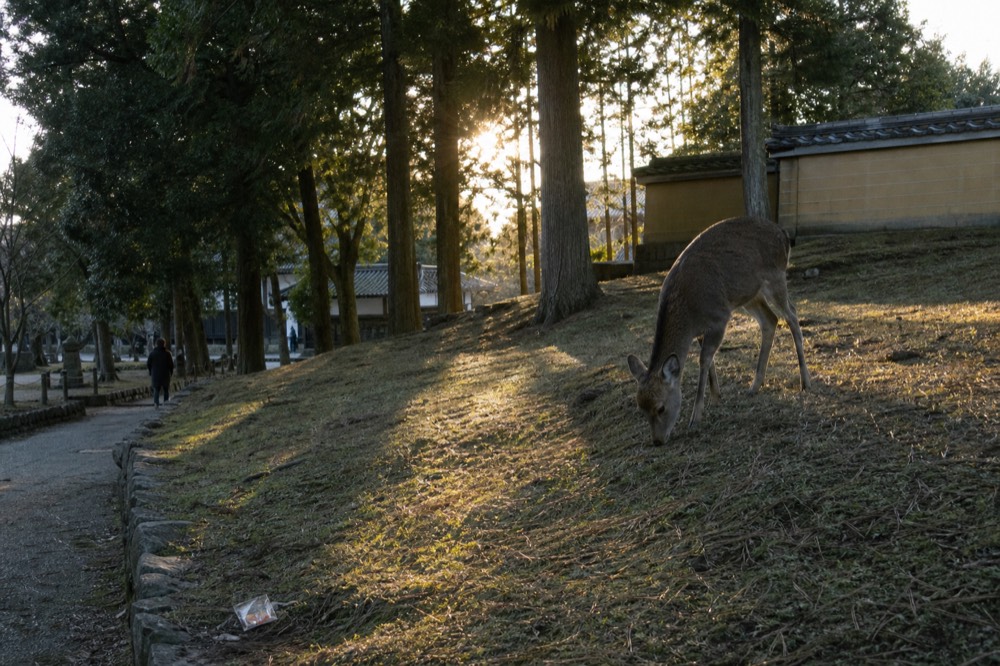
The deer themselves need a place in the schedule, not leftovers. Nara's deer population reached 1,687 in the July 2026 census published by the Nara Deer Preservation Foundation, up 222 on the previous year, so there is no shortage of encounters. But the foundation's own guidance is blunt: the deer are wild animals that bite, butt and charge, feed them nothing except the official shika senbei crackers, hand a cracker over fast rather than teasing, and keep distance from stags in the September-to-November rut and from does around mid-May-to-June births. An hour of relaxed, well-spaced deer time along the park paths beats a rushed ten minutes at the crowded first lawn you meet.
Is half a day enough, or will you feel short-changed?
For most first-time visitors half a day is genuinely enough, because Nara's core experience is concentrated and repeatable in a single loop, but travellers who want museums, gardens, the old town and unhurried meals will feel the squeeze and should either book a full day or plan a second visit. The dividing line is what you came for. If the answer is the Great Buddha, the deer and the atmosphere of an ancient capital's park, four hours delivers all three with slack. If the answer is Nara as a place, its food scene included, half a day is a teaser.
Consider how tours allocate the same territory. A typical Kyoto-and-Nara coach day runs about 10.5 hours from Kyoto in total, with the road transfer each way taking roughly 60 to 80 minutes, and Nara's segment, Kasuga Taisha, Todai-ji and Nara Park, fills a focused afternoon. That is essentially the half-day itinerary above, arriving with the benefit of a licensed English-speaking guide and admissions arranged. For a deeper comparison of how guided and independent options split the same hours, the guide to planning a Nara day trip from Kyoto breaks down both routes stop by stop.
Timing within the half day changes the experience more than the total length does. Early morning belongs to locals and photographers; late morning and early afternoon bring the coach waves; the final hour before the temple gates close thins out again. If you are choosing when to go at all, the piece on the best time of day for Nara Park covers the crowd rhythm in detail, and that choice is the single decision with the biggest effect on how a half-day visit feels.
Season is the other lever. The Kyoto Local Meteorological Observatory's phenology record puts cherry full bloom in the old capital at 30 March in 2026 against a 4 April normal, and, less intuitively, puts Kyoto's maple colouring date at a normal of 5 December, with 10 December observed in 2025. Mid-November "peak foliage" claims are folklore; if autumn colour is the point of the trip, early December is the safer bet, and the observatory's own phenology page publishes the observed dates each year.
How do you get to and from Nara on a half-day schedule?
From Kyoto, the Kintetsu limited express reaches Kintetsu Nara in about 35 minutes and the express takes about 45, while the JR Miyakoji Rapid does the run to JR Nara in about 45 minutes too, so both rail routes support a half-day plan, but Kintetsu Nara Station's five-to-eight-minute walk to the park beats JR Nara's fifteen-to-twenty-five-minute walk for anyone counting minutes. Fares sit around 720 yen one way on JR and 760 yen on Kintetsu, plus a 520-yen surcharge for the limited express, though fares change, so treat those as ballparks.
The frequency also helps: the Miyakoji Rapid runs roughly every 30 minutes, and the Kintetsu express at a similar cadence, so a missed train costs a coffee rather than an hour. That matters on a half-day schedule more than on a lazy one, because the return leg is where the minutes pile up. Leave Nara by late afternoon and you are back in Kyoto in time for dinner; linger until the temples close and the evening compresses into a dash.
Coming from Osaka, the calculus changes: an Osaka departure typically adds thirty to sixty minutes each way depending on routing, and the day tours that start in Osaka at 07:15 accordingly run longer overall, with the Osaka options finishing at Osaka Namba rather than returning to Kyoto. The rail-versus-coach comparison, including what a Japan Rail Pass does and does not cover on these lines, is laid out in the guide to Kyoto to Nara transport options; the short version is that a Kyoto-Nara return costs roughly 1,440 yen on JR, far below any pass's daily value, so the pass should never be the reason for choosing this trip.
One planning note if the half-day idea appeals because it leaves the rest of the day for Kyoto: that is exactly the structure the region's one-bookable coach product uses, and Kyoto Nara Day Tour exists as a site precisely to explain it. The Kyoto departure meets at 08:20, pairs the Kyoto morning with the Nara afternoon, and the no-lunch Kyoto option is the published from-price at $185.65 per adult, with the rating standing at 4.8 across 32 reviews.
Yes, Nara fits comfortably into half a day for the classic circuit of Todai-ji, the Nara Park deer and the Kasuga Taisha approach, all reachable on foot from Kintetsu Nara Station inside four to five unhurried hours. The questions below cover the practical details visitors ask most: how long the park itself needs, whether the Great Buddha hall justifies its ticket, which station to arrive at, and what to consciously leave out when the clock is short.
Common questions about visiting Nara in half a day
Can you do Nara in half a day?
Yes. Todai-ji, Nara Park's deer and the Kasuga Taisha approach sit within a short walk of each other, and a focused four to five hours from Kintetsu Nara Station covers all three comfortably. What half a day cannot fit is Naramachi, the Nara National Museum at leisure, a garden visit and a long lunch.
How many hours do you need in Nara Park itself?
Most visitors spend between one and two hours in the park, which is enough to feed the deer, walk toward Kasuga Taisha and photograph the approach. Adding Todai-ji's Great Buddha hall brings a Nara visit to about four hours total.
Is Todai-ji worth going inside on a short visit?
Yes. The Daibutsuden houses the 752 Great Buddha, and adult entry is 800 yen, cash only, with the hall plus Museum set ticket at 1,200 yen. Even on a tight schedule it is the one interior most worth the time.
Which station should you arrive at for a half-day visit?
Kintetsu Nara Station. It sits about five to eight minutes on foot from the park edge, while JR Nara Station is a fifteen to twenty-five minute walk away. Both are served from Kyoto, but Kintetsu saves the most valuable minutes on a tight schedule.
What should you skip in Nara if you are short on time?
Skip Naramachi, the Nara National Museum, Isui-en garden and any long sit-down lunch. Note also that Kofuku-ji's Five-Storied Pagoda is fully enclosed in a restoration shroud until March 2034, so it is a shrouded landmark rather than a photo stop in any case.
Is four hours in Nara enough?
For the classic circuit, yes: Todai-ji, the deer and Kasuga Taisha fit with time to spare. Visitors who want the museum, the old town or a relaxed meal should plan a full day instead. The article on whether four hours in Nara is enough covers the trade-offs in detail.