What is the best way to get to Nara?
Trains, buses and guided coach tours compared for reaching Nara from Kyoto and Osaka, with real fares, journey times and station-to-park walking distances.
What is the best way to get to Nara?
Nara sits roughly 35 to 45 minutes from Kyoto by rail and about an hour by road, which is close enough that the "best" way is genuinely contested. Two rival railways run the corridor, the highway bus is slower but cheap, and a guided coach tour folds Nara into a day that also covers Kyoto's headline sights. The answer below is the short version; the rest of this longread earns it with fares, walking distances and the trade-offs most guides skip.
What is the best way to get to Nara?
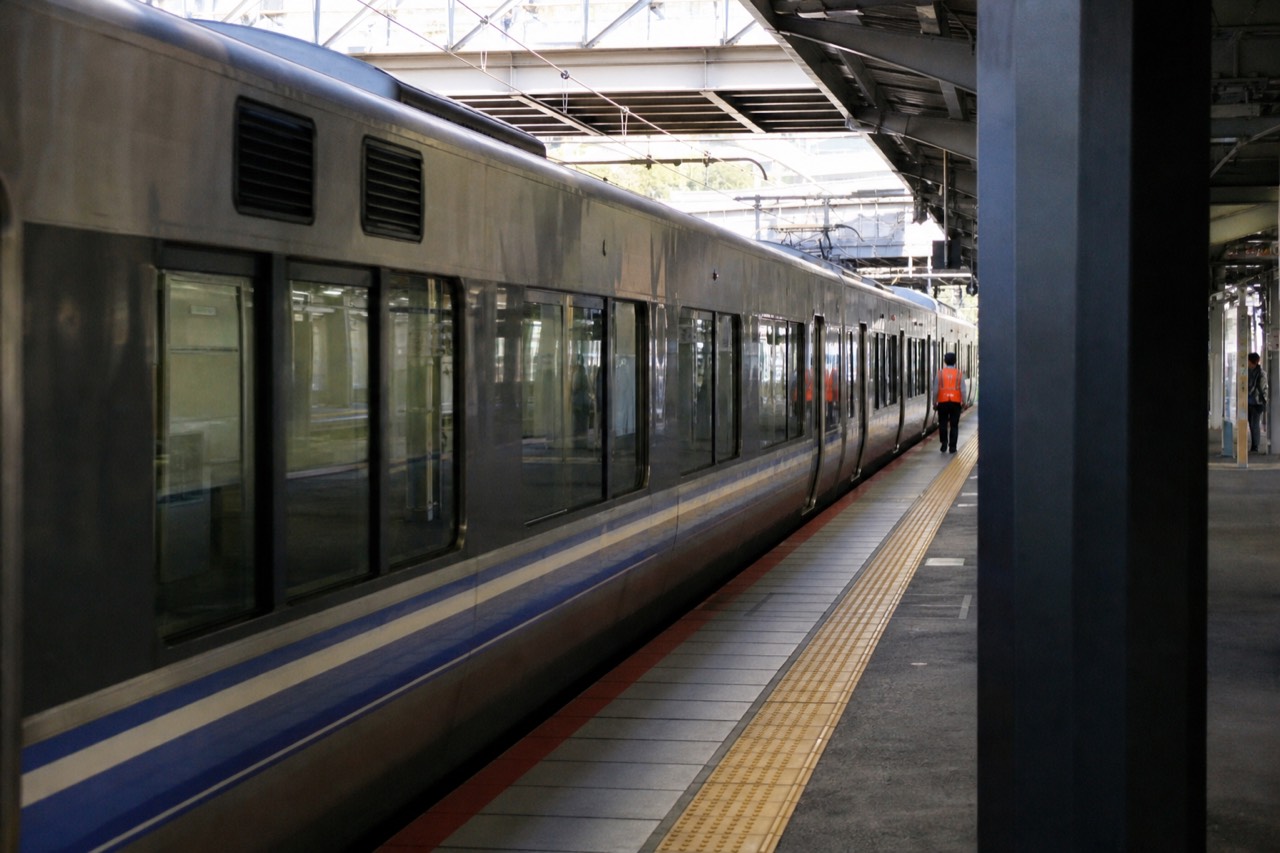
For most travellers starting in Kyoto, the best way to Nara is the Kintetsu limited express from Kyoto Station, which takes about 35 minutes, or the cheaper Kintetsu express at about 45 minutes; from Osaka, the Kintetsu line from Osaka Namba is the natural choice. A guided coach tour is better only if you want Nara and Kyoto's major sights packed into one day.
The reason Kintetsu edges the JR Nara Line for tourists is the station, not the train. Kintetsu Nara Station sits about 5 to 8 minutes on foot from the edge of Nara Park and a few steps from Kofuku-ji, while JR Nara Station is a 15 to 25 minute walk from the park. The JR Miyakoji Rapid Service is a fine train and runs roughly every 30 minutes, taking about 45 minutes to cover the distance, but it delivers you to the wrong side of town for the deer, the Great Buddha and Kasuga Taisha.
Both fares are modest. The JR one-way fare is about 720 yen, and the Kintetsu express is about 760 yen, while the Kintetsu limited express adds a 520 yen seat surcharge on top of the fare for a total of about 1,280 yen. Fares are approximate and change over time, so confirm current prices before you travel, so treat them as planning ranges. Even the round trip, roughly 1,440 yen on JR, is small money by Japan rail standards, which is why no rail pass should decide this particular journey.
That point deserves its own emphasis, because it is the single most common mistake people make when planning a Nara day trip. The Japan Rail Pass costs 50,000 yen for 7 days ordinary class, rising to 53,000 yen for purchases from 1 October 2026, per the official price page at japanrailpass.net. A Kyoto to Nara return costs about 1,440 yen. Unless the pass is already paying for itself elsewhere on your itinerary, buying one for a Nara trip makes no arithmetic sense at all.
Is the train or the bus better from Kyoto to Nara?
The train is better than the bus from Kyoto to Nara in almost every case: the rail journey takes about 35 to 75 minutes depending on the service, while the road journey takes about 60 to 80 minutes each way and is exposed to Kansai traffic. The bus wins only on price or when a guided coach tour is doing the driving and the commentary for you.
The road time figure comes from tour operator itineraries rather than a timetable, because there is no timetable for congestion on the Kyoto to Nara road. A highway bus can be quick on a clear morning and crawl on a holiday weekend. Rail times, by contrast, are stable: the Kintetsu limited express runs about 35 minutes, the Kintetsu express and the JR Miyakoji Rapid both take about 45 minutes, and a JR local train takes about 60 to 75 minutes with stops at every station along the way.
There is a third category that confuses the comparison, and it is the guided coach day tour. A full-day Kyoto and Nara coach tour typically runs about 10.5 hours from Kyoto, door to door, because it is not competing with the train on speed. It is selling a different product: a licensed English-speaking guide, admissions handled, and a routing that fits Nijo Castle, Kinkaku-ji, the Kyoto Imperial Palace, Kasuga Taisha and Todai-ji with Nara Park into one coherent day. For a visitor with a single day and no appetite for working out two rail networks plus temple ticket windows, that trade can be rational.
One warning about the cheapest guided option, and it comes from the tour's own reviewers. The included lunch on the lunch-inclusive versions is the weakest element of the day, and guests have said so in reviews going back a decade. Nara has excellent food of its own, from kakinoha sushi to mochi pounded fresh at Nakatanidou, and the no-lunch options leave you free to buy it.
If a coach day appeals, the choice between the options comes down to two things: where you start and whether you want the lunch. The Kyoto departure meets at 08:20 and costs $185.65 per adult without lunch, the from-price of the whole product. The lunch-inclusive Kyoto and Osaka options are published in Hong Kong dollars, at HK$1,597 for the Kyoto versions and HK$1,698 from Osaka, and the operator does not publish converted dollar prices for them. The Osaka departure meets earlier, at 07:15, and adds roughly 30 to 60 minutes of travel in each direction.
How much does the train from Kyoto to Nara cost?
A one-way ticket from Kyoto to Nara costs about 720 yen on the JR Nara Line and about 760 yen on the Kintetsu express, with the Kintetsu limited express costing about 1,280 yen once its 520 yen seat surcharge is included; children pay half, and no rail pass is needed for a fare this small.
Here is the comparison in one place. Note that the JR figures and the Kintetsu fares are live-search figures: neither operator publishes a clean, readable fare table for this corridor, so say "about" and expect small changes over time.
| Option | Journey time | One-way adult fare | Notes |
|---|---|---|---|
| JR Miyakoji Rapid Service | about 45 min | about 720 yen | Roughly every 30 minutes; covered by the Japan Rail Pass |
| JR local train | about 60-75 min | about 720 yen | Stops everywhere; useful only if the rapid just left |
| Kintetsu express (kyuko) | about 45 min | about 760 yen | Arrives closest to Nara Park |
| Kintetsu limited express (tokkyu) | about 35 min | about 1,280 yen incl. surcharge | Reserved seats only; the fastest option |
| Highway bus | about 60-80 min | varies by operator | Traffic dependent |
Two practical details matter more than the fare itself. First, IC cards: Kyoto City buses and Nara Kotsu buses accept ICOCA, Suica and the other standard IC cards, and the railways do too, so a charged IC card covers nearly every leg of a Nara trip without a paper ticket. Contactless credit-card tap payment is not standard on buses, so do not plan on it. Second, cash: once you arrive, Todai-ji and Kofuku-ji both state on their own pages that admission is cash only, at 800 yen for the Daibutsuden and a 1,600 yen combined ticket across Kofuku-ji's three paid halls. 7-Eleven and Japan Post ATMs accept foreign cards, so withdrawing yen in Kyoto before you leave is the safe habit.
The Japan Rail Pass question comes up in every Nara thread, so let it be settled with numbers. Purchases up to 30 September 2026 cost 50,000 yen ordinary for 7 days; from 1 October 2026 the price rises to 53,000 yen, with the 14-day pass going from 80,000 to 84,000 yen. The pass does cover the JR Nara Line, including the Miyakoji Rapid. It does not cover Kintetsu at all, which matters if you decide, as this article suggests, that Kintetsu's station location makes it the better railway for this trip.
How do you get to Nara from Osaka?
From Osaka, the best way to Nara is the Kintetsu line from Osaka Namba, which reaches Kintetsu Nara Station in roughly 40 to 55 minutes; the JR Yamatoji Line from Osaka Station is the alternative, taking roughly 45 to 50 minutes. An Osaka-departing guided coach tour is the option if Kyoto is also on the agenda.
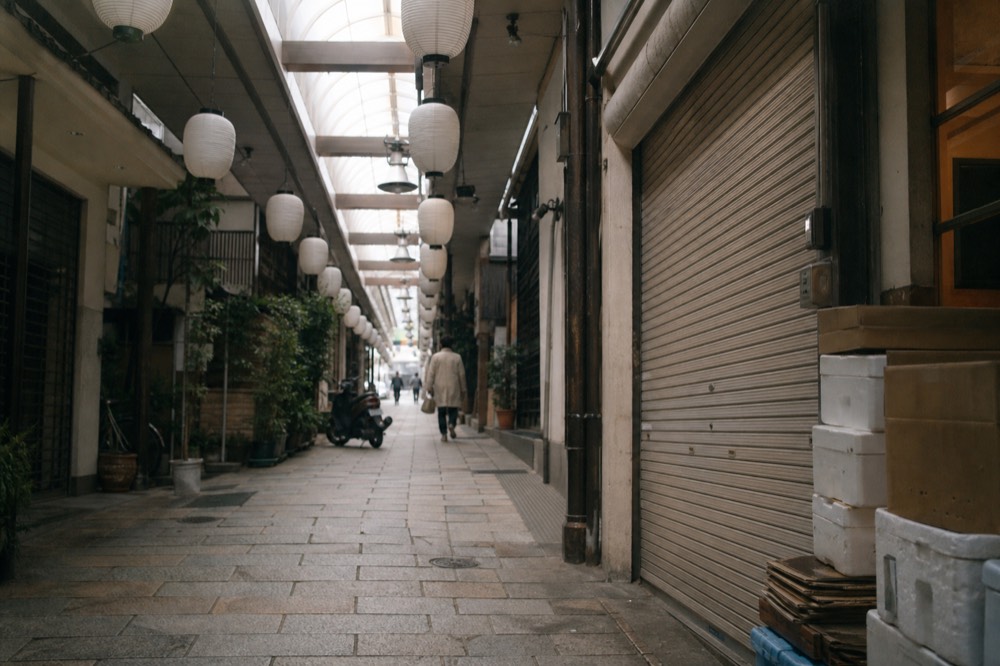
Osaka is closer to Nara than Kyoto is, and the two cities' railways attack it from different angles. Kintetsu runs from Namba, which is where most visitors staying in Osaka actually are, and drops you at the station beside the park. The JR option starts from Osaka Station, which is convenient only if that is where your hotel is. Neither operator's own fare search publishes a clean Osaka to Nara figure we could verify, so check the fare at the gate rather than trusting a round number from a blog, this one included.
The coach option from Osaka deserves a fair hearing, because this is where it is strongest. A day tour that departs Osaka at 07:15, covers the Kyoto sights in the morning and reaches Nara in the afternoon saves you from making an Osaka-Kyoto-Nara-Osaka rail sandwich, which is a real chunk of a day spent standing on platforms. The trade is explicit: the three Osaka options on this tour end at Osaka Namba and do not return to Kyoto, so they suit Osaka-based travellers only.
For anyone planning under time pressure, note that the Osaka pickup versus a Kyoto departure adds roughly 30 to 60 minutes in each direction on a coach tour. If you are based in Kyoto, taking an Osaka departure to save a little on the fare is almost always a false economy in time.
How far is Nara Station from Nara Park?
Kintetsu Nara Station is about 5 to 8 minutes on foot from the edge of Nara Park and a few steps from Kofuku-ji, while JR Nara Station is about 15 to 25 minutes on foot from the park; arriving at Kintetsu Nara saves a 20-minute round trip at the start and end of the day.
This is the quiet fact that decides the whole "which railway" question, and it is why the fare difference between JR and Kintetsu, a few dozen yen, is irrelevant. Walk out of Kintetsu Nara and you are in the Sanjo Dori shopping arcade within a minute, with Kofuku-ji's precinct and the park's deer zone a short stroll beyond. Walk out of JR Nara and you face a longer approach, through the Sanjo Dori area first, before the park opens up. Neither walk is unpleasant; one is simply short.
| Station | Walk to Nara Park edge | Notes for visitors |
|---|---|---|
| Kintetsu Nara | about 5-8 min | Closest to Kofuku-ji, the park and the approach to Todai-ji |
| JR Nara | about 15-25 min | More dining options near the station; onward buses available |
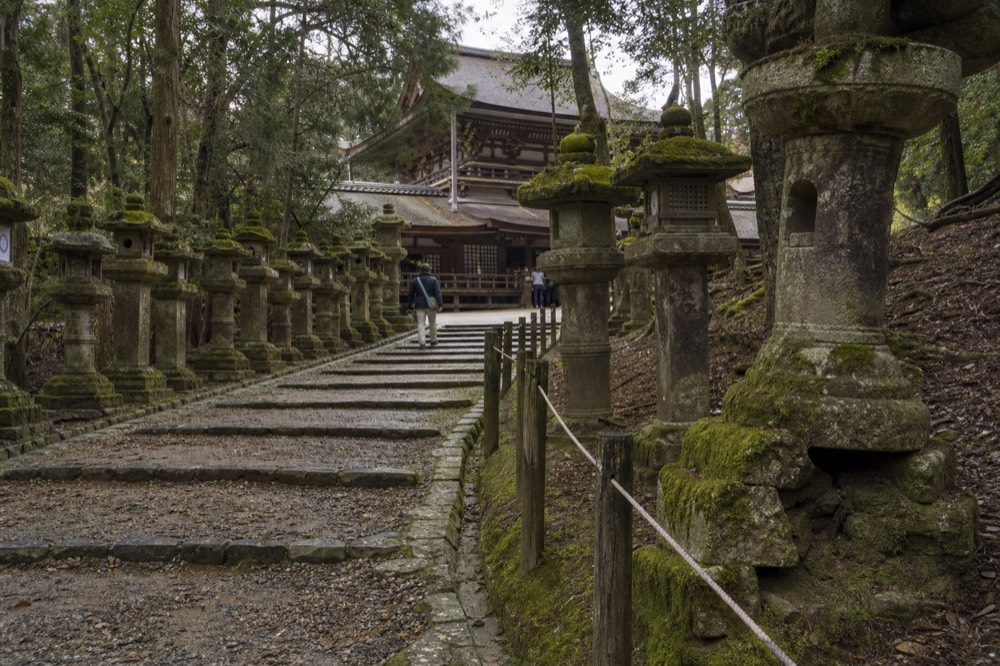
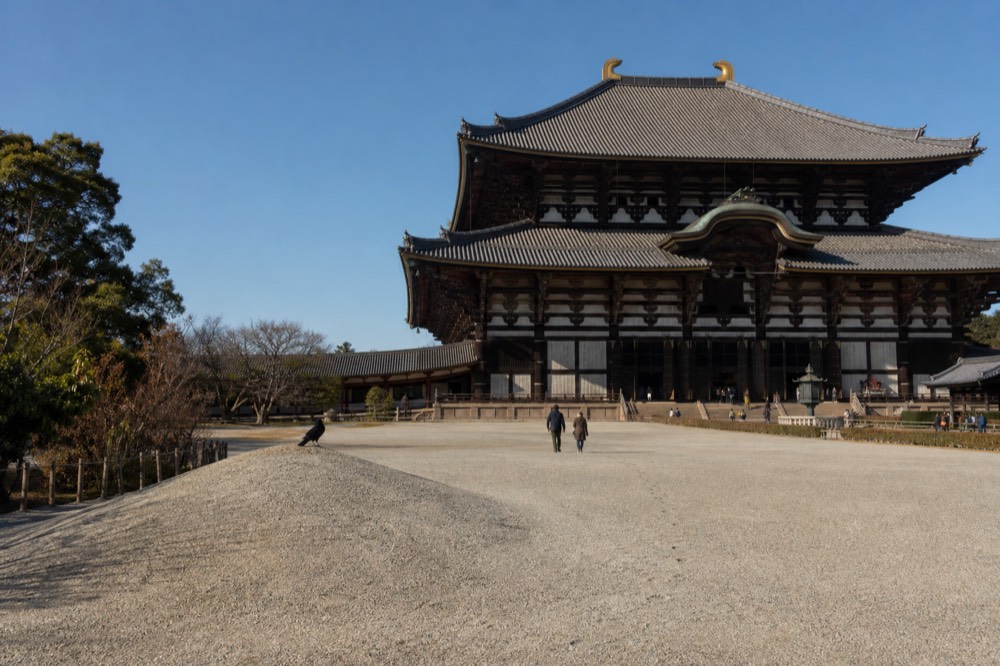
Once you are in the park, distances stretch out. Todai-ji's Daibutsuden opens 07:30 to 17:30 from April to October and 08:00 to 17:00 from November to March, with no closing days barring special rites, and no advance booking is accepted or required, according to the temple's own admission page. Kasuga Taisha's grounds are open from 06:30 in the warmer months. Budget your walking time accordingly: the park, the temple and the shrine together are a couple of hours on foot even without stopping, and you will stop.
Should you take a guided day tour to Nara instead of the train?
A guided coach tour is the better choice if you want Nara and Kyoto's headline sights in one day and would rather not manage two rail networks, temple ticket windows and a lunch stop yourself; the train is better if Nara is your only destination, or if you want to set your own pace among the deer and the back streets.
The honest framing is that these are two different products, not two prices for the same thing. The train delivers you to Nara and hands you the day. The tour delivers a routing: Nijo Castle, Kinkaku-ji, the Kyoto Imperial Palace, then the coach south for Kasuga Taisha and Todai-ji with Nara Park, which is a sequence that would be genuinely punishing to replicate independently in one day using public transport. The tour's rating, 4.8 from 32 reviews, and its from-price of $185.65 per adult without lunch, are all published on the operator's booking page.
What the price covers matters when comparing it against the rail fare. A licensed English-speaking guide, the coach and the admissions to the paid sights on the itinerary are included, which is why the comparison is not the tour's dollar from-price versus a 1,440 yen rail ticket, but a guided six-stop day versus a train ride. The no-lunch option at $185.65 is the from-price of the whole product; the lunch-inclusive and Osaka options are published in Hong Kong dollars only, and converting them here would be arithmetic, not a price.
Nara rewards the independent traveller in ways a schedule cannot. Naramachi's machiya townhouses, the Nara National Museum, an unhurried hour with the deer: these need time, not a guide. The Kyoto Nara Day Tour site exists, plainly, to sell the guided option, but a fair answer to this article's question has to say that if Nara alone is your day, the Kintetsu express and a charged IC card will serve you better than any coach.
What is the cheapest way to get to Nara?
The cheapest sensible way to Nara is the JR local train or the Kintetsu express at roughly 720 to 760 yen each way, with no pass, no surcharge and no taxi; the bus can undercut it marginally but costs you 30 to 45 minutes each way, which is a poor exchange rate on a one-day trip.
Every cheaper-sounding option deserves scepticism. Rail passes priced in the tens of thousands of yen take many Kyoto-Nara round trips to break even, and there are only so many days in a trip. Taxis from Kyoto would cost more than the tour. The genuine savings in a Nara day are not in transit at all, but in what you do on arrival: the park itself is free to enter, the deer are free to meet, and shika senbei crackers cost about 200 yen a bundle. The paid sights, Todai-ji's Daibutsuden at 800 yen and Kofuku-ji's combined ticket at 1,600 yen, are worth it, and both are cash only, so plan the wallet, not the fare.
One line of budgeting that is often forgotten: Kyoto's accommodation tax rose steeply from 1 March 2026. The city's own page at city.kyoto.lg.jp now lists five bands, from 200 yen per person per night for rooms under 6,000 yen up to 10,000 yen for rooms at 100,000 yen and above, a schedule that dwarfs a train fare. Where you sleep, not how you ride, is the line item worth optimising.
When is the worst time to make this trip?
The worst times to travel to Nara are the morning peaks on the Kyoto and Osaka commuter railways between roughly 07:30 and 09:00, and any national holiday, because the trains fill with commuters and the park fills with everyone else; midweek, outside holidays, with a departure around 09:00 or 10:00, is the comfortable window.
The 2027 holiday calendar is already published by the Cabinet Office, and it contains one detail cherry-blossom planners should note: the spring equinox falls on Sunday 21 March 2027 with a substitute holiday on Monday 22 March, creating a three-day weekend right in the normal flowering window. Kyoto's cherries flowered on 23 March and reached full bloom on 30 March in 2026, against a 1991-2020 normal of 26 March and 4 April. A three-day weekend inside that window means the Kintetsu express will be standing-room and Nara Park's deer will be very well fed by lunchtime.
Summer has its own caveat. Kyoto's record-high temperature table, kept by the Japan Meteorological Agency since 1880, now has four of its six hottest days in 2018, 2024, 2025 and 2026, topped by 39.8 C. The coach rides in air conditioning and the temples do not; carry water whenever you go between July and early September, whichever way you travel.
How long should you spend in Nara once you arrive?
Most visitors need four to six hours in Nara to see Nara Park, Todai-ji's Daibutsuden and Kasuga Taisha at a comfortable pace, or a full day to add Kofuku-ji's interiors, the Nara National Museum and a proper lunch; anything under three hours means choosing between the deer and the Great Buddha.
The train timetable should be built around that number, not the other way round. If you have four hours, the Kintetsu express out and the limited express back is a good pairing, spending the surcharge where a reserved seat at the end of a walking day earns it. If you have a full day, add Naramachi and the museum, and read the things to do in Nara guide before you commit to a routing. Travellers weighing only a half-day should read can you see Kyoto and Nara in one day, because that question is really a question about transport.
For the deer themselves, timing matters as much as duration. June and November are the Nara Deer Preservation Foundation's designated protection months, June for calving and November for the rut, and in both the animals need more distance than usual. Feed them nothing except shika senbei, hand the cracker over fast, and never hold one in a closed fist, per the foundation's own guidance at naradeer.com. Arriving by 09:00 or 10:00, before the coaches, is the single best crowd decision available to an independent traveller.
The verdict
If the question is "What is the best way to get to Nara?", the answer is a Kintetsu train from Kyoto or Osaka Namba, arriving at the station beside the park, with a charged IC card and cash for the temples, for roughly 720 to 1,280 yen each way; a guided coach tour wins only when Kyoto and Nara must share one day.
The JR Miyakoji Rapid is the equal alternative if your hotel sits nearer Kyoto Station or a pass already covers you. The bus is the budget fallback. And if the real plan is Kyoto and Nara in one shared day, a guided coach tour is not a lazy shortcut but the only format that fits six sights into daylight, which is a decision about your day, not about the train fare.
Whatever you decide, book the format that matches your day rather than the one with the headline you liked first. A train ticket bought at the gate and a coach seat bought the night before are both easy decisions; regret is what happens when the plan and the day do not match.
The best way to Nara depends on where you start and how much of the day Nara gets to keep: the Kintetsu railway from Kyoto or Osaka Namba for most travellers, the JR Nara Line as the covered alternative, the bus as the budget option, and a guided coach tour when Kyoto's sights and Nara must share a single day.
Common questions about getting to Nara
What is the best way to get to Nara?
For most travellers, the Kintetsu line: the limited express from Kyoto takes about 35 minutes and the express about 45, both arriving at Kintetsu Nara Station, a 5 to 8 minute walk from Nara Park. From Osaka, take Kintetsu from Namba. A guided coach tour is better only if you want Kyoto's major sights and Nara in one day.
How much is the train from Kyoto to Nara?
About 720 yen one way on the JR Nara Line and about 760 yen on the Kintetsu express, with the Kintetsu limited express at about 1,280 yen including its 520 yen seat surcharge. These are live-search figures and fares change, so check the fare at the gate.
Does the Japan Rail Pass cover the trip to Nara?
It covers the JR Nara Line, including the Miyakoji Rapid Service, but not Kintetsu. Even so, a Kyoto-Nara return costs about 1,440 yen, so a pass priced at 50,000 yen and rising to 53,000 yen from 1 October 2026 should never be bought for this trip alone.
Which Nara station is closest to Nara Park?
Kintetsu Nara Station, about 5 to 8 minutes on foot from the park edge and a few steps from Kofuku-ji. JR Nara Station is about 15 to 25 minutes away on foot.
Can you get to Nara from Osaka easily?
Yes. Kintetsu runs from Osaka Namba to Kintetsu Nara in roughly 40 to 55 minutes, and the JR Yamatoji Line runs from Osaka Station in roughly 45 to 50 minutes. Guided coach tours also depart Osaka, meeting at 07:15.
Is a guided tour better than the train for Nara?
Only if you want Kyoto and Nara combined in one day. The train is faster, cheaper and more flexible for Nara alone; the coach tour's value is the routing, guide and included admissions across six sights, from $185.65 per adult without lunch.