Can you see Kyoto and Nara in one day?
A practical guide to visiting both cities in a single day, what you can cover, what you'll miss, and the fastest way to do it.
Can you see Kyoto and Nara in one day?
Yes, but you'll see a curated selection, not everything. A well-planned day can cover three Kyoto icons, Nijo Castle, Kinkaku-ji and the Imperial Palace, plus two Nara heavyweights, Kasuga Taisha and Todai-ji, if you take an organized coach tour or start very early. You will miss Fushimi Inari, Kiyomizu-dera and Arashiyama; they are too far apart to fit in one day with Nara.
The question sounds like a contradiction: Kyoto and Nara each deserve at least a full day on their own, so trying to see both between breakfast and dinner feels greedy. But the reality is that many visitors combine both cities in a single day, and a well-designed itinerary makes it not only possible but genuinely enjoyable. The secret is knowing which stops to keep and which to leave for another trip.
The Kyoto Nara Day Tour site is built around one full-day coach itinerary that solves the puzzle. It picks three Kyoto sites that sit close together in the north-west of the city, then drives straight to Nara for two of the ancient capital's most important monuments. In this article we walk through exactly what that day looks like, whether you can pull it off on your own, and the handful of famous places you will not see if you try to do both cities in a single outing.
What can you realistically see in one day?
A realistic one-day itinerary covers five major sites: Nijo Castle, Kinkaku-ji, the Kyoto Imperial Palace, Kasuga Taisha and Todai-ji. This is exactly the route of the coach tour that runs daily from Kyoto and Osaka, and it's the most efficient way to hit the highlights without wasting time on connections. Self-guided travelers can replicate it, but only if they start before 08:00 and skip a sit-down lunch.
The five stops are not random. Nijo Castle, Kinkaku-ji and the Imperial Palace form a tight triangle in central and north-west Kyoto, so a coach can visit all three in a single morning without retracing its path. The drive to Nara takes about 60 to 80 minutes, leaving the afternoon for Kasuga Taisha and Todai-ji, which sit a few hundred metres apart in Nara Park. No other combination of Kyoto and Nara sites packs this much into a single day with so little dead time.
The table below shows the approximate flow of the coach tour. Times shift a little depending on traffic and the season, but the order of stops is fixed.
| Stop | Approx. time | What you do |
|---|---|---|
| Nijo Castle | 08:30–09:30 | Walk the Ninomaru Palace corridors and stroll the gardens |
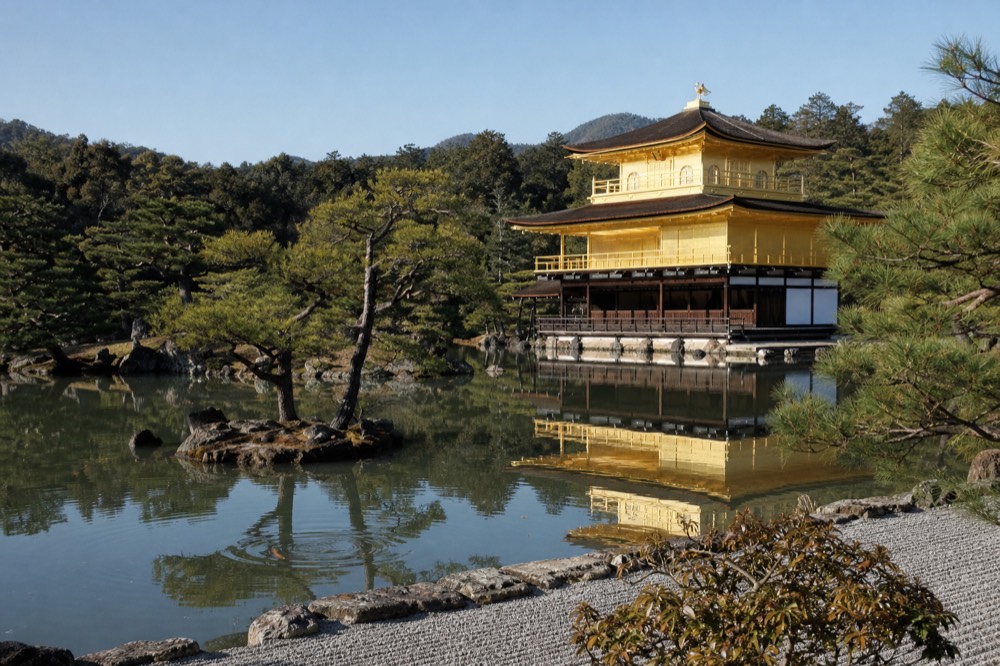
| Kinkaku-ji | 10:00–10:45 | See the Golden Pavilion and its Mirror Pond |
| Kyoto Imperial Palace | 11:00–11:30 | Walk the outer grounds and the park; the inner palace requires a separate guided tour not included |
| Lunch (optional) | 11:45–12:30 | Western set or Indian thali at a restaurant near the palace |
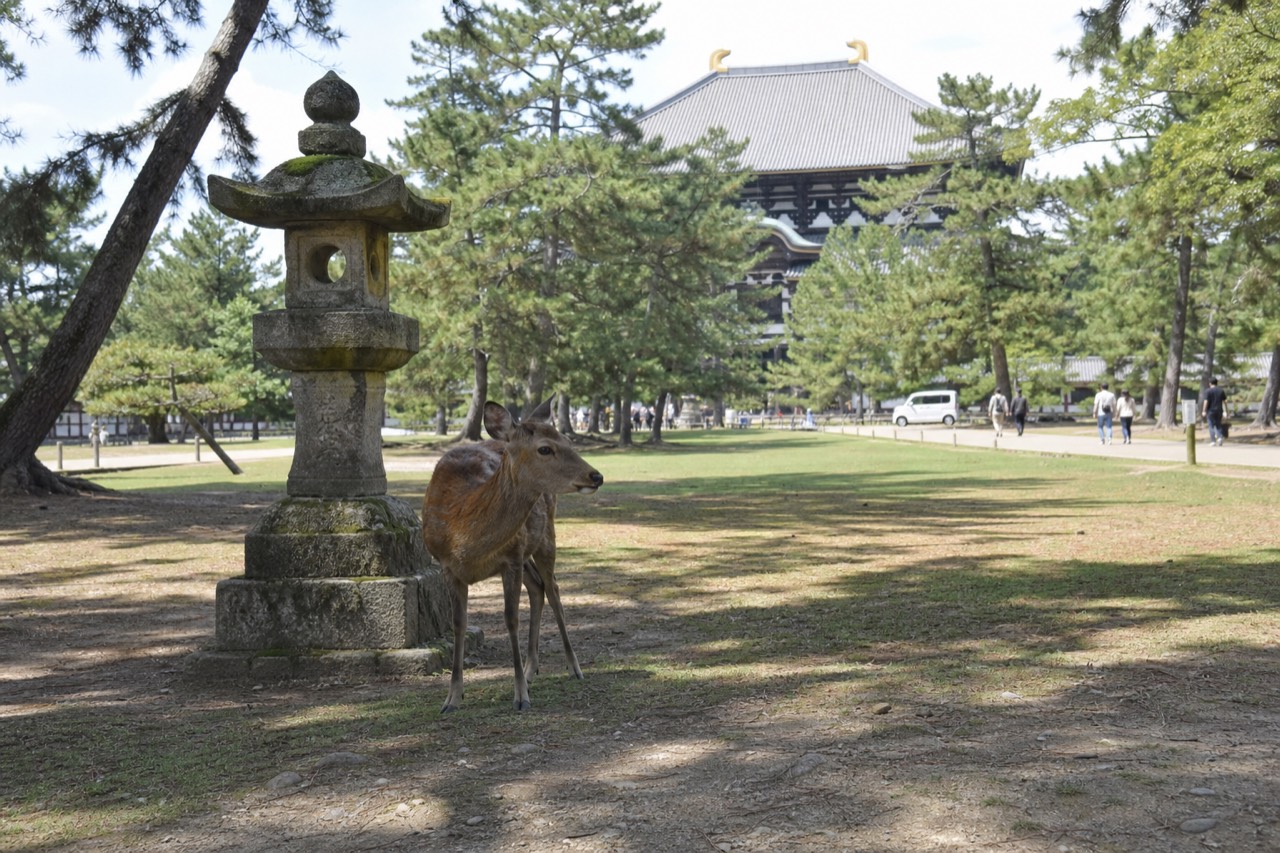
| Kasuga Taisha | 14:00–14:45 | Walk the lantern-lined path and the outer shrine precinct |
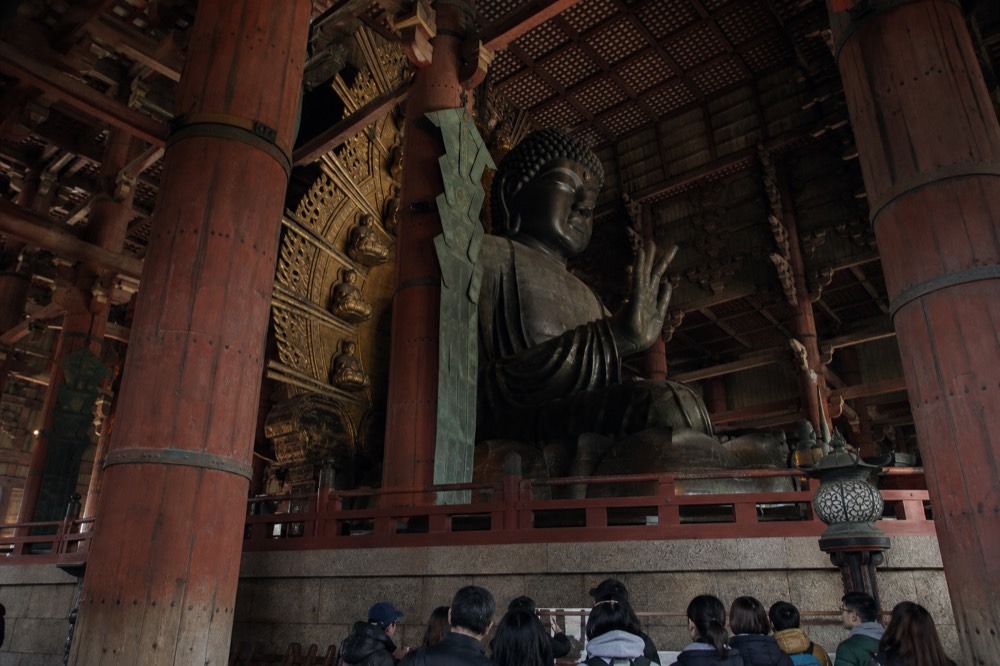
| Todai-ji & Nara Park | 15:00–16:00 | See the Great Buddha inside the Daibutsuden and meet the deer |
The tour returns to Kyoto Avanti between 18:30 and 19:00, and to Osaka Namba between 18:10 and 18:30. That gives you the evening free for dinner or a stroll, and you have not spent a single minute puzzling over train timetables or bus bays.
The lunch stop is the one part of the day where the included lunch draws the most criticism in the reviews. The Western set and the Indian thali are serviceable, but no one books this tour for the food. If you want to save money and eat on your own schedule, the no-lunch option is the smarter pick: you get the same five stops, the same guide, and the same coach, and you can grab a quick meal near the Imperial Palace or at a convenience store before the drive to Nara.
The three options above cover the same itinerary from two departure cities. The Kyoto no-lunch version is the most popular and the best value. If you are staying in Osaka, the Osaka no-lunch variant picks you up earlier and drops you at Namba, so you never have to commute to Kyoto first.
Is a guided tour the only way to do both cities in a day?
No, but it is the most reliable. You can catch a 07:00 Miyakoji Rapid from Kyoto Station to Nara, see Todai-ji and Kasuga Taisha by 10:00, then return to Kyoto for Kinkaku-ji and Nijo Castle by mid-afternoon, but you will need to handle bus connections and a 20-minute walk from JR Nara Station. The coach tour removes all that friction.
Self-guided travelers who want to replicate the five-stop route need to be at Kyoto Station before 07:00, board a Miyakoji Rapid service (about 45 minutes, roughly every 30 minutes), and walk from JR Nara Station to Todai-ji, which takes about 15 to 25 minutes depending on your pace. After seeing the Great Buddha and Kasuga Taisha, you reverse the journey, arrive back in Kyoto around noon, then use city buses to reach Kinkaku-ji and Nijo Castle. It can be done, but every connection adds a small risk of delay, and you will spend about three hours of your day just on trains and buses.
The coach tour sidesteps all of that. The bus picks you up at a central meeting point, drives you door-to-door, and a licensed English-speaking guide narrates the day. You never touch a timetable, and you never worry about missing the last entry.
The tour runs on published calendar dates and has earned a 4.8 rating from 32 traveller reviews. That is a small but honest sample, and the score holds up because the route is sensible and the guide quality is consistent. The price starts at $185.65 per adult for the Kyoto no-lunch option, which includes the coach, the guide, and admission to every stop on the schedule.
The box above links to the operator's live listing, where you can see real-time availability and pick your date. The price you see there is the final price: it covers the licensed English-speaking guide, the air-conditioned coach, and entry to all the sites listed in the table above.
Which Kyoto sites are not on the one-day itinerary?
Fushimi Inari, Kiyomizu-dera and Arashiyama are not stops on the one-day coach tour, and for good reason: each would add at least two hours of travel and walking. The tour does not visit them, and no self-guided itinerary that includes Nara can fit them in without dropping something else.
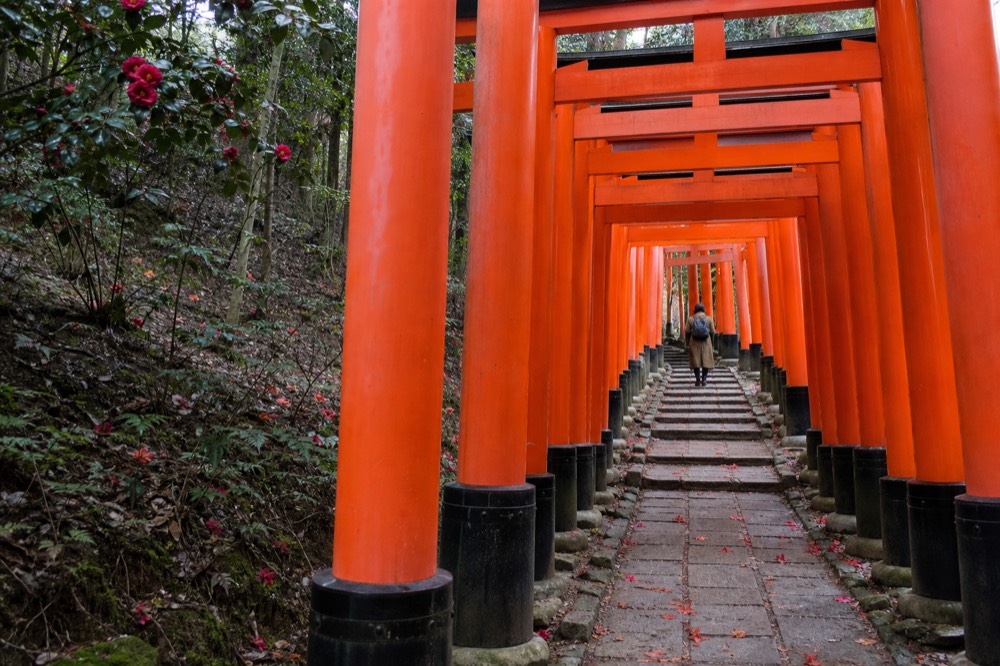
Fushimi Inari Taisha sits in south-east Kyoto, a 30-minute train ride from Kyoto Station, and a walk through the torii tunnels to the first viewpoint takes about an hour. Adding it to a day that already includes Nara would push your return past sunset and leave no time for Kinkaku-ji or Nijo Castle. The shrine is magnificent, and we have a full guide to it on this site, but it belongs on a separate Kyoto-only day.
Kiyomizu-dera is equally time-consuming. The temple perches on a hillside in Higashiyama, a 15-minute bus ride and a steep uphill walk from the nearest stop. Its wooden stage and the views over the city are unforgettable, but the detour would eat up the entire morning and force you to cut either Nara or two of the three Kyoto stops. If you want to see it, pair it with a walk through the Higashiyama district on a dedicated Kyoto day, not on a day that crosses into Nara.
Arashiyama is the most obvious omission. The bamboo grove, Tenryu-ji and the Togetsukyo Bridge sit on the far western edge of Kyoto, a 30-minute train ride from Kyoto Station in the opposite direction from Nara. Even a quick visit takes half a day, and the round trip to Arashiyama plus Nara would leave you with barely an hour of actual sightseeing. The bamboo path is free and open at all hours, but it simply does not fit into a one-day Kyoto–Nara plan.
The tour's chosen five stops are not a compromise; they are the only set of top-tier sites that work together inside a single day. If your heart is set on Fushimi Inari or Kiyomizu-dera, consider staying an extra night and doing a second day in Kyoto alone. Our guide to Fushimi Inari Shrine lays out how to visit it efficiently, and the Kyoto one-day itinerary covers a route that pairs it with Kiyomizu-dera.
For visitors staying in Osaka who want to avoid the early-morning commute to Kyoto, the tour offers an Osaka departure option that meets you at Hotel Granvia Osaka 1F and ends at Osaka Namba Station in the evening. That version covers the same five stops and is a practical choice if your hotel is in Osaka.
The Osaka departure runs about 45 minutes longer in total than the Kyoto start, since it adds rail travel to and from Kyoto, but it spares you the cost and hassle of a morning train to Kyoto Station. The price is published in Hong Kong dollars on the listing, and the itinerary is identical once you reach the first stop.
How to plan your own one-day Kyoto–Nara trip
Start at Kyoto Station by 07:00, take a Miyakoji Rapid to Nara, see Todai-ji and Kasuga Taisha, return by noon, then use city buses for Kinkaku-ji and Nijo Castle. The return train costs about 1,440 yen and Nijo Castle's combined ticket is 1,300 yen, plus temple entry fees. It's cheaper than the coach tour, but you trade money for time.
The independent route works on paper, and plenty of travelers do it. The Miyakoji Rapid Service runs roughly every 30 minutes and takes about 45 minutes from Kyoto to JR Nara. A one-way adult fare is about 720 yen, though fares change and the exact price is best checked on the day. The train is covered by the Japan Rail Pass, but a Kyoto–Nara return costs only about 1,440 yen, so the pass is not what decides this trip: it is a bonus if you already hold one, not a reason to buy one.
The Japan Rail Pass price is set to rise on 1 October 2026. Purchases made up to 30 September 2026 cost 50,000 yen for a 7-day ordinary pass; from 1 October the same pass will cost 53,000 yen. The increase is modest, but it is worth knowing if you are planning a trip that straddles the date.
Once you arrive at JR Nara Station, the walk to Todai-ji takes about 15 to 25 minutes. Kintetsu Nara Station is closer, about a 5- to 8-minute walk, but the Kintetsu limited express costs 1,280 yen one-way and the Japan Rail Pass does not cover it. Most self-guided day-trippers stick with JR.
| Leg | Transport | Approx. time | Approx. cost (one-way adult) |
|---|---|---|---|
| Kyoto Station → JR Nara | Miyakoji Rapid | 45 min | 720 yen |
| JR Nara → Nara Park (walk) | On foot | 15–25 min | Free |
| Nara Park → JR Nara (walk) | On foot | 15–25 min | Free |
| JR Nara → Kyoto Station | Miyakoji Rapid | 45 min | 720 yen |
| Kyoto Station → Kinkaku-ji | City bus 205 from bay B2/B3 | 30 min | 230 yen |
| Kinkaku-ji → Nijo Castle | City bus 12 or 101 | 20 min | 230 yen |
The table above is a planning range, not a promise. Bus frequencies drop in the middle of the day, and the Miyakoji Rapid can be standing-room only during cherry blossom season. The coach tour eliminates every one of those variables.
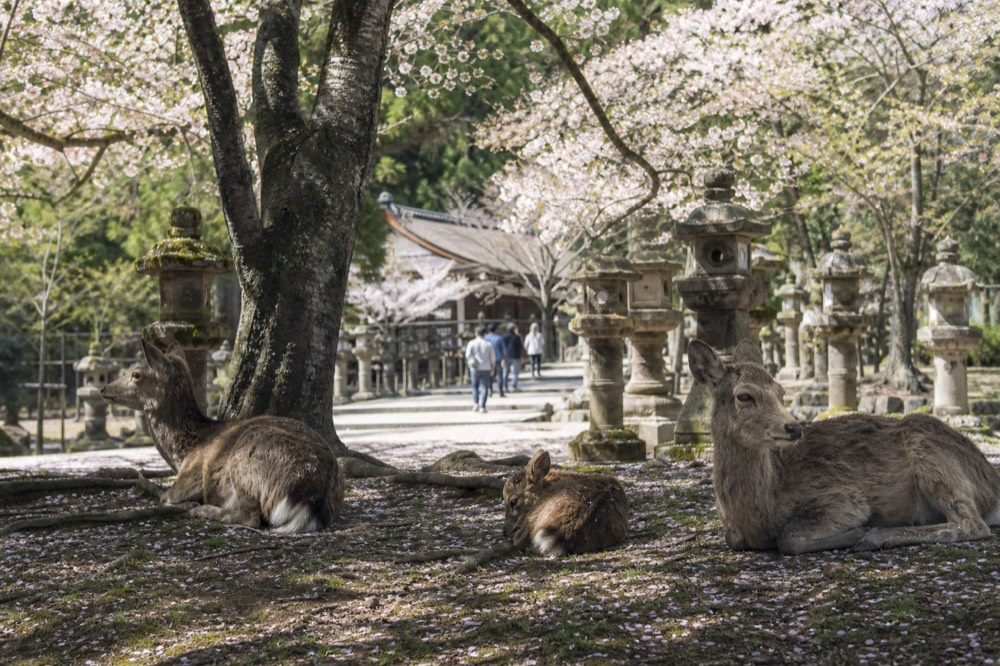
A few numbers help answer whether one day is enough for Kyoto and Nara. The deer population stands at 1,687, up 222 on the year, which means more animals on the paths and more caution needed during the rut. The rail pass increase is small, but if you are buying one anyway, it is better to purchase before the end of September 2026. And the Kyoto heat records are a reminder that a coach with air conditioning is not a luxury in summer; it is the difference between a comfortable day and a dangerous one.
If you are set on doing the day independently, book your Nijo Castle combined ticket (1,300 yen for the castle and Ninomaru Palace) at the gate, and bring cash for Todai-ji: the Daibutsuden costs 800 yen and the temple accepts cash only. Kinkaku-ji is 500 yen for adults, also payable at the entrance. The admission fees for Kinkaku-ji, Nijo Castle and Todai-ji, plus the train and bus fares, add up quickly. The coach tour bundles all of that into its headline price, so the saving from going solo is real but smaller than it first appears.
The three options above are the same tour, just configured for where you start and whether you want the included lunch. The Kyoto no-lunch version is the one that matches the independent route most closely, and it removes every logistical headache from the day.
Common questions about seeing Kyoto and Nara in one day
Can you see Kyoto and Nara in one day?
Yes, you can see a curated selection of five major sites, Nijo Castle, Kinkaku-ji, the Imperial Palace, Kasuga Taisha and Todai-ji, in a single day. You will miss Fushimi Inari, Kiyomizu-dera and Arashiyama, which are too far apart to include. The most reliable way is a coach tour, but an early start and careful train planning can work independently.
Is it better to take a tour or go independently?
A guided coach tour is faster and removes all connection stress. You are driven door-to-door with a licensed English-speaking guide, and the price includes all admissions. Going independently saves money but adds about three hours of train and bus travel, and you risk missing a stop if one connection runs late.
What time should I start if I go on my own?
You need to be at Kyoto Station by 07:00 to catch an early Miyakoji Rapid to Nara. That puts you at Todai-ji by 08:30 and allows enough time to return to Kyoto for Kinkaku-ji and Nijo Castle in the afternoon. A later start means cutting at least one major site.
Which Kyoto sites are skipped on a one-day trip?
Fushimi Inari, Kiyomizu-dera and Arashiyama are not on the one-day itinerary. Each would add at least two hours of travel and walking, making it impossible to fit Nara into the same day. Save them for a dedicated Kyoto day.
Can I do the trip from Osaka?
Yes. The coach tour offers an Osaka departure that picks up at Namba and returns there in the evening. It adds about 30 to 60 minutes of travel each way compared with the Kyoto start, but it covers the same five stops. Self-guided travelers from Osaka can take the Kintetsu line to Nara, but the journey is longer and the Japan Rail Pass does not cover Kintetsu.