Nara National Museum: What It Holds, What It Costs, and Whether It Fits Your Day
The Nara National Museum sits inside Nara Park, a short walk from Todai-ji and the deer, and it holds one of the world's great collections of Buddhist art. It is not a stop on the Kyoto and Nara coach day tour this site covers, but it earns a place on a self-guided day, and in late autumn it changes the crowd picture across the whole park.
Short answer
The Nara National Museum is a national museum in Nara Park devoted to Buddhist art, best known for its sculpture gallery and the annual Shosoin exhibition each autumn. It is not a stop on the Kyoto and Nara day tour. A visit pairs naturally with Todai-ji, Kofuku-ji and the deer, which are the tour's Nara stops.
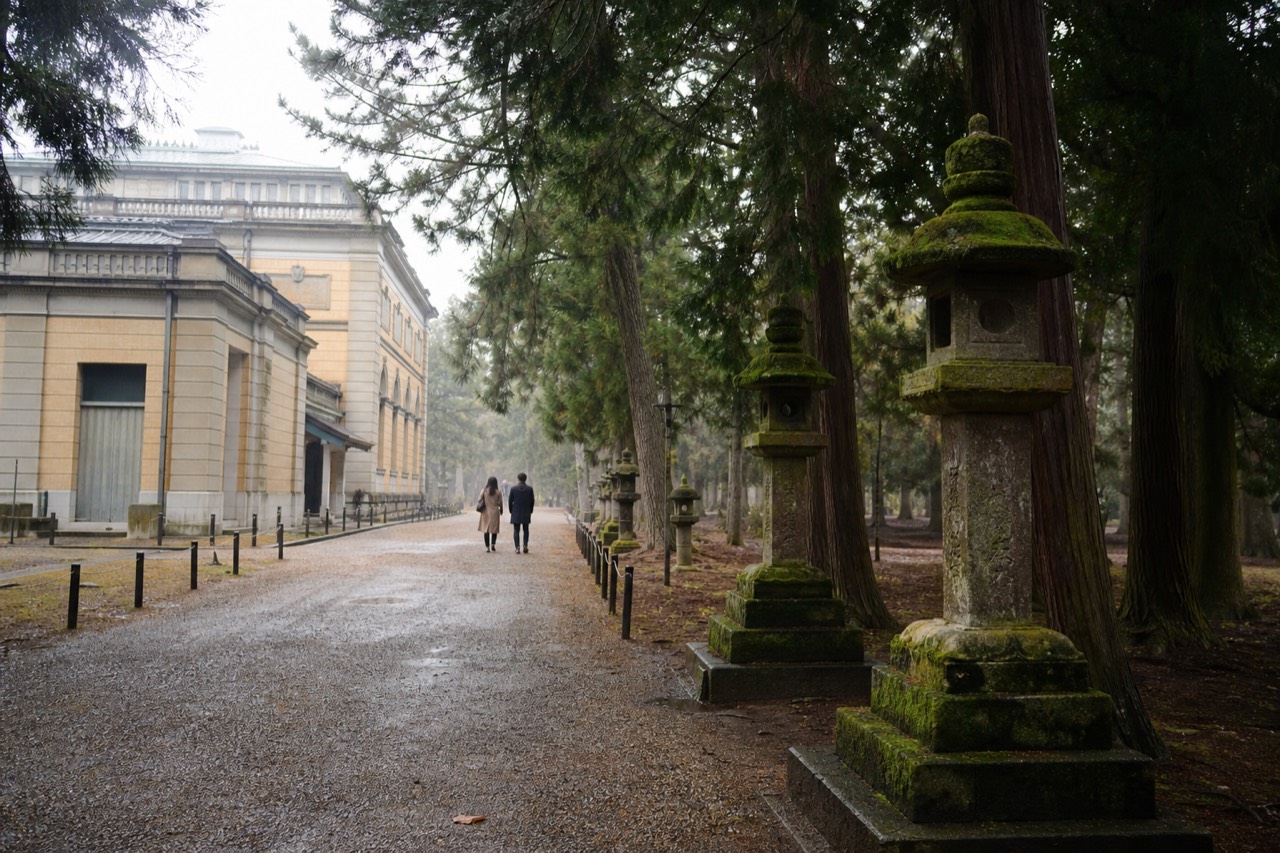
The Nara National Museum occupies a red-brick building from the Meiji era at the edge of Nara Park, a few minutes on foot from both Kintetsu Nara Station and the Five-Storied Pagoda of Kofuku-ji. Its collection of Buddhist sculpture is one of the strongest anywhere, and each autumn the Shosoin exhibition draws queues that wrap around the block. One thing should be said plainly at the start: the museum is not a stop on the Kyoto and Nara coach day tour this site covers. That tour visits Nijo Castle, Kinkaku-ji, the Kyoto Imperial Palace, Kasuga Taisha, and Todai-ji with Nara Park. If the museum matters to you, it fits a self-guided day, or a day with time left after the coach departs.
That framing matters, because the museum is one of the few major Nara sights that a first-time itinerary usually skips, and the reason is rarely the collection. It is time. A Nara day is already full: the Great Buddha, the deer, the shrine approach under the lanterns, lunch. The museum asks for an hour or two of that day, and whether it earns them depends on the season and on what kind of traveller you are. This guide lays out what is inside, what the surrounding day costs, and how the autumn exhibition reshapes everything.
What is the Nara National Museum?
The Nara National Museum is one of Japan's four national museums, the others being in Tokyo, Kyoto and Kyushu, and its specialism is Buddhist art: sculpture, painting, calligraphy and ritual objects, many of them National Treasures connected to Nara's great temples. It stands inside Nara Park, about a five to eight minute walk from Kintetsu Nara Station and roughly fifteen to twenty-five minutes on foot from JR Nara Station.
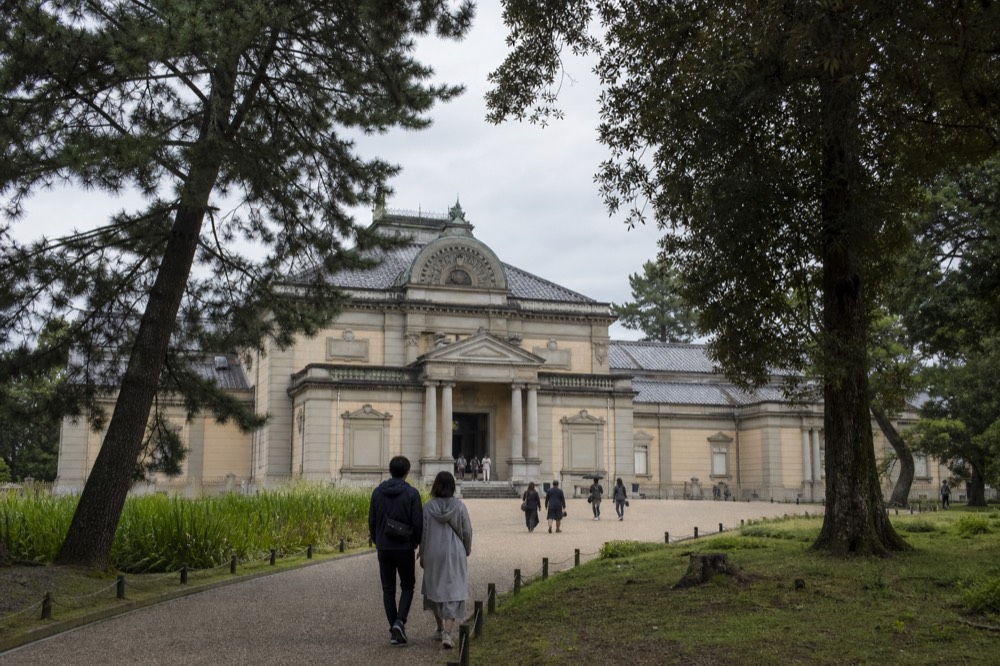
The museum was founded in the Meiji era to house treasures from the region's temples, and the original brick gallery, now the main sculpture showcase, opened its doors before the turn of the twentieth century. That building alone is worth the walk: it is one of the finest surviving Meiji-period public buildings in Japan, and its high central hall was designed so that daylight falls on the statues from above. A newer wing, connected by an underground passage, was added in the late twentieth century to hold special exhibitions, and it is there that the Shosoin show takes over each autumn.
The reason a national museum landed in Nara rather than a bigger city is simple: the density of temple treasure. Nara was Japan's capital in the eighth century, and Todai-ji, Kofuku-ji, Kasuga Taisha and the other old institutions hold sculpture, sutras and ritual objects of a quality found nowhere else in the country. The museum gathers, conserves and displays a large share of it, including works the temples themselves cannot display. Many of the statues in the sculpture gallery are designated National Treasures or Important Cultural Properties, and the gallery is arranged so you can trace the development of Japanese Buddhist sculpture from the seventh century onward, from the austere early wooden figures through the rounded, humanised forms of the Heian and Kamakura periods.
For a sense of how the museum sits in the wider sightseeing picture, our things to do in Nara guide places it among the park's other stops, and the Todai-ji temple guide covers the Great Buddha hall that most visitors pair it with.
What will you actually see in the sculpture collection?
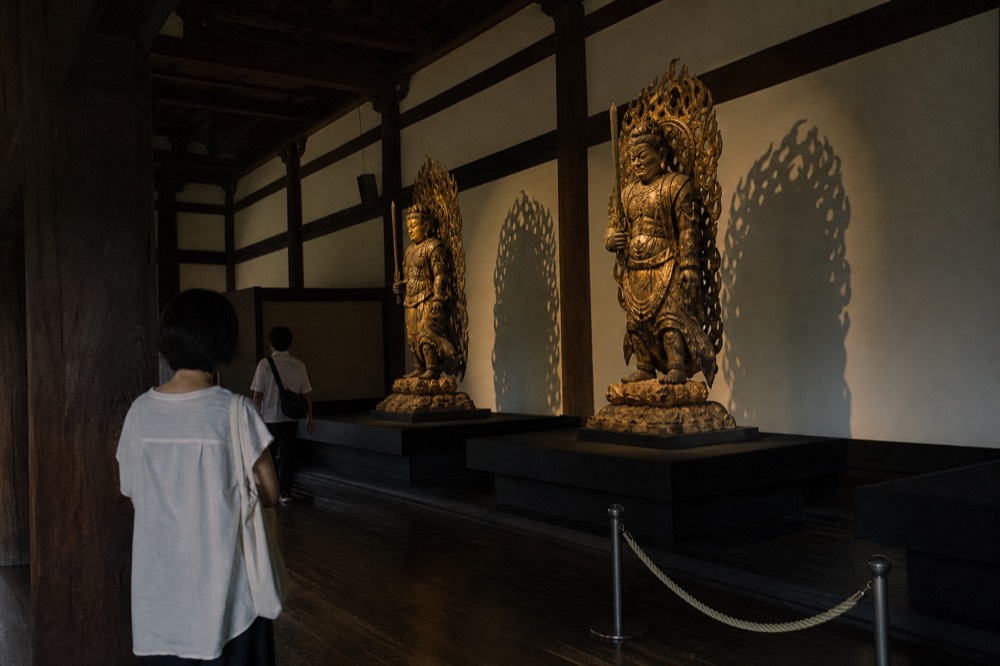
The permanent collection's core is the Buddhist sculpture gallery in the old brick building: dozens of wooden and bronze figures spanning roughly the seventh to the fourteenth centuries, including famous images of the Eleven-headed Kannon and the Twelve Divine Generals, plus a rotating display of temple treasures, ritual implements, paintings and sutras in the newer wing.
The sculpture gallery is the reason to come, and it rewards slow looking more than most museums. Japanese Buddhist sculpture in wood was carved, joined and lacquered rather than chiselled from stone, and the gallery shows the full range of the craft: single-block early figures, hollowed later ones assembled from many pieces, inlaid crystal eyes that give Kamakura-period faces their startling realism. Bronze work from the earliest centuries sits alongside the later wooden tradition, and the labels trace how styles moved with the sects and the capital.
Two practical notes shape a visit. First, the displays rotate: works on paper and silk come out for limited periods to protect them from light, so no two visits show exactly the same thing, and the sculpture gallery itself occasionally closes a room for conservation. Second, photography rules are strict inside the galleries, and the museum enforces them. The building and grounds, by contrast, photograph freely, and the brick facade with its lawn is one of the more photographed corners of Nara Park in cherry season.
A useful way to think about the collection is as the indoor half of the Nara sights. Todai-ji's Great Buddha is sculpture at architectural scale, in situ, exactly where it has been worshipped since the eye-opening ceremony of 752. The museum holds the smaller, finer end of the same tradition: the images that were made for altar rooms, the guardians that flanked them, the sutras copied out by hand. Seen in that order, Todai-ji first and the museum after, each explains the other.
If you are building the day around the coach tour rather than going independently, the same logic applies in reverse: the tour gives you Todai-ji and Kasuga Taisha with a guide, and the museum is the depth you add yourself.
How does a museum visit fit a day that already has Todai-ji in it?
Realistically, the museum needs sixty to ninety minutes for the sculpture gallery alone, and half a day with the special exhibitions. On a standard Nara day built around Todai-ji, the deer and Kasuga Taisha, it fits best as the late-afternoon stop, after the outdoor sights, when feet are tired and the galleries offer benches, shade and air conditioning.
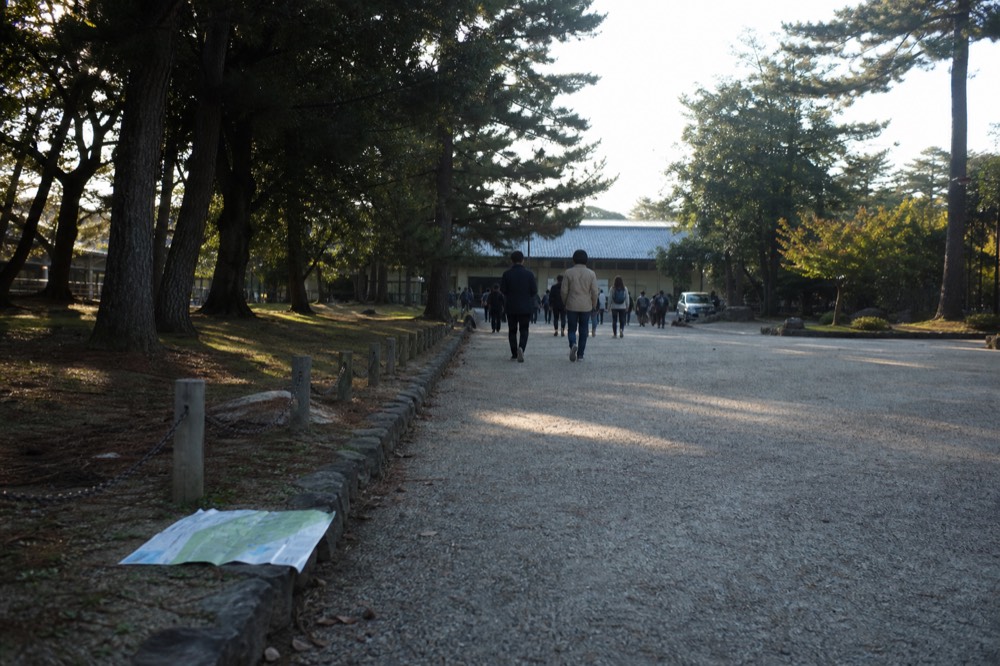
The geography makes this easy. The museum stands between Kofuku-ji and Todai-ji, closer to the former, so the natural loop from Kintetsu Nara Station runs pagoda, museum, Nara Park deer, Todai-ji, then back along the Kasuga approach. Doing the museum early buys you quiet galleries; doing it late buys you an escape from the afternoon heat, and Nara's summer afternoons are serious: the city's mean daily maximum in August is 33.4 degrees, and Kyoto, an hour north, has recorded four of its six hottest days ever in 2018, 2024, 2025 and 2026. Indoor hours in July and August are not laziness, they are strategy.
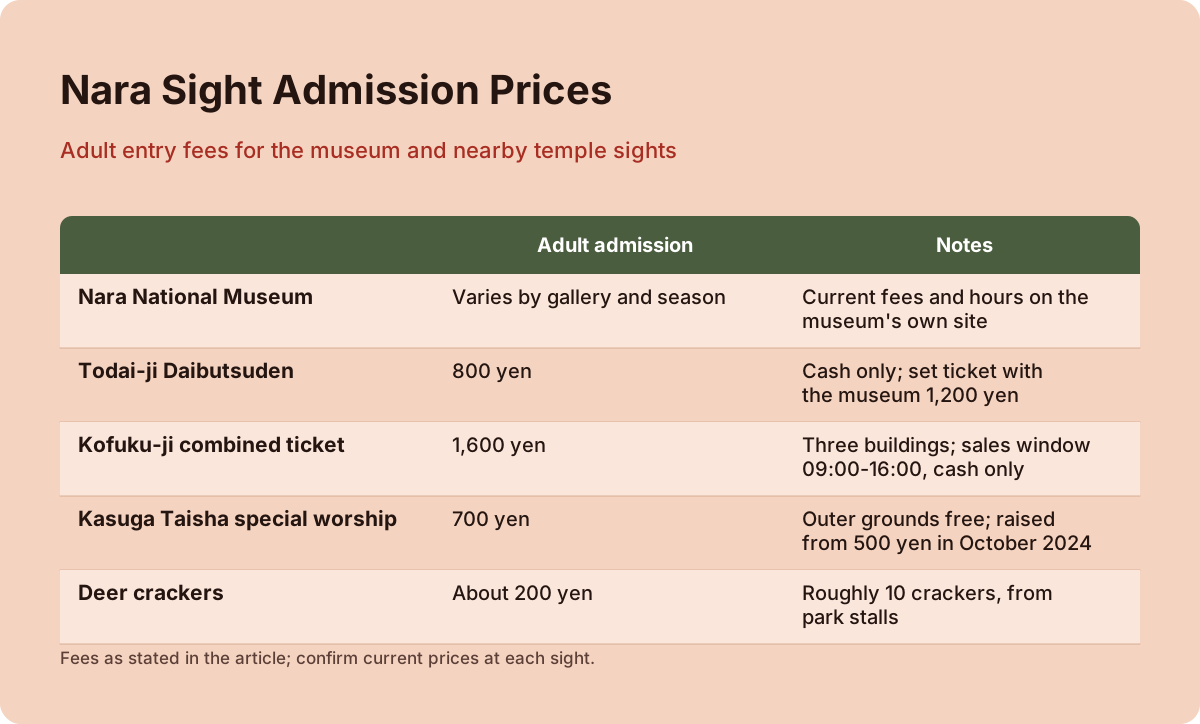
The money question is easier to answer for the temples around the museum than for the museum itself, because the temples publish their fees and the figures are stable. Here is what the surrounding paid sights charge, all verified against the institutions' own pages:
| Sight | Adult admission | Notes |
|---|---|---|
| Todai-ji Daibutsuden | 800 yen | Cash only; set ticket with the museum 1,200 yen |
| Kofuku-ji combined ticket | 1,600 yen | Three buildings; combined ticket sold 09:00-16:00 only |
| Kasuga Taisha special worship | 700 yen | Raised from 500 yen in October 2024 |
| Kofuku-ji Central Golden Hall | 500 yen | Single-hall ticket |
| Kasuga Taisha museum | 700 yen | Separate from the shrine worship fee |
The museum's own admission sits in the same bracket, a few hundred yen for the permanent collection and more during the Shosoin period, and the museum publishes current hours and fees on its own site, which is the one place to check before you go, because the special-exhibition schedule changes the pricing every autumn. What does not change is the cash habit of the neighbourhood: both Todai-ji and Kofuku-ji state on their own pages that admission is cash only, so carry notes regardless of how you pay at the museum door.
If the planning is the part you would rather hand off, the guided option covers the Nara half of this day: the Kyoto and Nara day tour pairs the coach travel, a licensed English-speaking guide and the admissions at Todai-ji and Kasuga Taisha in one booking, from $185.65 per adult for the Kyoto no-lunch option.
What is the Shosoin exhibition, and why does autumn change everything?
The Shosoin exhibition is the annual display of treasures from the Shosoin repository at Todai-ji, the eighth-century storehouse of Emperor Shomu's household goods, musical instruments, textiles and documents, shown each autumn at the Nara National Museum for roughly two weeks in late October and November. In those weeks the museum becomes the single busiest sight in Nara, and the park's crowd pattern changes with it.
The repository itself is a raised log storehouse on the Todai-ji grounds, closed to the public, and its contents have survived intact for over twelve centuries, preserved by the building's clever climate and by the fact that almost nothing was removed. The collection is so varied it reads like a shipwreck of the Silk Road: glass cups from Persia, a five-stringed lute of patterned wood, screens painted with court ladies, medicines with their original eighth-century labels. Each autumn the museum brings out a selection, different every year, and each year the exhibition is a national event.
For a visitor, the practical consequences are large. Queues for the exhibition can run to hours, and timed entry is the norm for the show. The rest of the museum is quieter during the exhibition, not busier, because everyone pushes toward the special wing. Nara Park as a whole is busy in late November, and that has a weather reason as well as a museum one: Kyoto's official maple colouring date, tracked by the local meteorological observatory, is normally 5 December, and it was 10 December in 2025, so the late-November foliage peak that guidebooks promise is genuinely a late-autumn phenomenon, not a mid-month one. The observatory's own phenology record is the source for those dates, and it is worth checking before you book a foliage trip, because the folklore about mid-November colour sends people two weeks early.
If you are not coming for the Shosoin, the counter-strategy writes itself: visit in any season but late autumn, and you will have the sculpture gallery close to yourself. Spring is the sweet spot, with cherry flowering in Nara recorded on 25 March in 2026, four days earlier than the seasonal normal, and the museum lawn catching the petals. Our best time to visit Nara guide works through the whole calendar.
Is the museum worth an hour when Todai-ji is next door?
For most travellers, yes, if Buddhist art is a genuine interest rather than a box to tick. The sculpture gallery is the single best place in Japan to see the development of Buddhist statuary in one sitting, and it costs less time than a second circuit of the park. For visitors with only a half-day in Nara, or with children whose patience is already spent on the deer, skip it and keep the day outdoors.
The honest test is what you want from the Great Buddha. Todai-ji's hall is overwhelming precisely because it is a place of worship first and a museum second: the 14.98-metre statue, the 752 eye-opening ceremony, the present hall of 1709 rebuilt at seven bays instead of the original eleven to save money. Some visitors want to look longer at the objects that surround that world, and for them the museum is the best hour in Nara. Others have had their fill of halls by mid-afternoon, and for them the museum is one more interior, and the deer outside are the better hour.
Families should weigh it carefully. The museum rewards reading and slow looking; the deer reward neither. The Nara Deer Preservation Foundation's 2026 census counted 1,687 deer in the park, up 222 on the previous year, and the animals are habituated but wild: the foundation's own guidance is blunt that they bite, butt and charge, that feeding is limited to the official shika senbei crackers at about 200 yen a bundle, and that the cracker should be handed over fast, never held in a closed fist. Children will remember the bowing deer. They will not remember a twelfth-century Kannon.
The compromise that works for mixed groups: split up for an hour. The museum is small enough that one adult can take the sculpture gallery while the other stays with the children on the park lawn, and the two parties reunite at the museum's front steps, five minutes from the deer and ten from Todai-ji. On a coach tour day, that hour does not exist; the itinerary moves on schedule. On an independent day, it is the easiest split in Nara.
How do you get to the museum, and how long does the walk take?
From Kintetsu Nara Station the museum is about a five to eight minute walk, passing Kofuku-ji's pagoda on the way. From JR Nara Station it is roughly fifteen to twenty-five minutes on foot. From Kyoto, the train journey to Nara takes about 45 minutes by either the JR Miyakoji Rapid or the Kintetsu express, with departures roughly every half hour on the JR side.
The station choice matters more in Nara than in most Japanese cities, because the two stations sit on opposite edges of the sightseeing district. Kintetsu Nara drops you at the pagoda; JR Nara drops you near Sanjo-dori and a longer walk. Both walks are flat and signposted, and both pass through the shopping arcades, so the JR walk is not wasted time, it is lunch.
The fare picture is simple even if the exact figures move: a one-way Kyoto to Nara ticket is about 720 yen on JR and about 760 yen on the Kintetsu express, with a 520 yen surcharge on the Kintetsu limited express, and fares change, so treat those as approximations. The Japan Rail Pass covers the JR Nara Line including the Miyakoji Rapid, but not Kintetsu, and the pass price rises on 1 October 2026, from 50,000 to 53,000 yen for the ordinary 7-day version. Even after that rise, a Kyoto-Nara return costs about 1,440 yen on JR, so the pass is not what decides this particular trip.
| Route | Time | Approximate one-way fare | Rail Pass coverage |
|---|---|---|---|
| JR Miyakoji Rapid, Kyoto to Nara | about 45 min | about 720 yen | Covered |
| JR local, Kyoto to Nara | about 60-75 min | about 720 yen | Covered |
| Kintetsu express, Kyoto to Nara | about 45 min | about 760 yen | Not covered |
| Kintetsu limited express, Kyoto to Nara | about 35 min | about 1,280 yen | Not covered |
| Walk, Kintetsu Nara to museum | 5-8 min | free | - |
| Walk, JR Nara to museum | 15-25 min | free | - |
Our Kyoto to Nara transport guide compares the two lines in detail, and the Nara day trip from Kyoto guide lays out the full independent itinerary.
The coach alternative trades the train for a seat with a guide. The road journey from Kyoto to Nara takes about 60 to 80 minutes each way depending on traffic, and a full-day coach tour runs about 8 to 10 hours in total. The Kyoto departure meets at 08:20; the Osaka options meet earlier, at 07:15, because the Osaka pickup adds roughly 30 to 60 minutes each way, and the three Osaka options finish at Osaka Namba rather than returning to Kyoto.
What does a museum day in Nara look like, hour by hour?
A comfortable independent day gives the morning to the outdoor sights, lunch near the arcade streets, the early afternoon to the museum, and the late afternoon back to the deer as the crowds thin: roughly Kintetsu Nara by 09:00, Kofuku-ji and the pagoda before 10:00, the deer and Todai-ji through midday, the museum from 13:30, and the Kasuga approach at 16:00.
That order is not arbitrary. The big outdoor sights are best in the morning light and the morning cool, and Todai-ji's Great Buddha hall keeps long hours, 07:30 to 17:30 from April to October and 08:00 to 17:00 from November to March, so it is never the thing you miss. The museum's galleries are the same at 14:00 as at 09:00, which makes them the natural afternoon stop. And the deer, the park's real stars, are calmer once the cracker-feeding crowds thin toward evening.
One caveat on the pagoda: Kofuku-ji's Five-Storied Pagoda, the building you will photograph on the walk in, is completely enclosed. A roughly 60-metre steel weather cover has wrapped it since March 2025 for the first full conservation repair in about 120 years, and the work is scheduled to run to March 2034. The temple's own restoration project site is the source for those dates. Plan the photograph around the Central Golden Hall, rebuilt in 2018, or the museum's own brick facade instead.
| Time | Stop | Why this slot |
|---|---|---|
| 09:00 | Kintetsu Nara arrival | Shortest walk to the sights |
| 09:15 | Kofuku-ji | Halls open 09:00, last entry 16:45 |
| 10:30 | Nara Park deer | Morning light, crackers in hand |
| 12:00 | Lunch near the arcade | Cash for the temples later |
| 13:30 | Nara National Museum | Benches, shade, sculpture |
| 15:30 | Todai-ji | Hall hours run to 17:30 in summer |
| 16:45 | Kasuga Taisha approach | Lanterns in low light |
The cost of the independent day, excluding lunch and the museum's own entry, is roughly the temple admissions in the table above plus the train: about 1,440 yen return on JR from Kyoto, 800 yen at Todai-ji, 1,600 yen for the Kofuku-ji combined ticket if you take all three buildings, 700 yen at Kasuga Taisha's special worship. That is before a single cracker for the deer, and the crackers, about 200 yen a bundle, sell out by midday in peak season.
For comparison, the guided day costs from $185.65 per adult for the Kyoto no-lunch option, which includes the coach, the licensed English-speaking guide and the admissions at the covered sights. A note on the lunch options: the included Western or Indian set lunch is the element reviewers of the tour have criticised most consistently, in 2015, 2017 and again in 2025, so the cheaper no-lunch option, which also happens to be the one with the published dollar price, is the sensible pick for anyone who would rather eat in Nara's arcades anyway.
When is the best time of year to combine the museum with the park?
For the collection alone, any season works and the quietest months are January to February and June to July. For the Shosoin exhibition, late October into November, booked around its timed entry. For the full Nara experience, deer and foliage and museum together, the last week of November into early December, which is later than most guidebooks suggest.
The foliage timing deserves emphasis because it is the most commonly misplanned week in Japanese travel. The Kyoto observatory's maple colouring date, the official marker for the region, falls normally on 5 December, and in 2025 it was 10 December. The earliest colouring on record was 10 November 1976, but that is the outlier, not the plan. Visitors who arrive in mid-November expecting red maples are statistically early, and the Shosoin crowds they meet in the museum queue are the ones who came for the show, not the trees. The ginkgo trees turn earlier, normally colouring around 24 November, so a late-November visit gets gold before it gets red.
Spring works the other way. Cherry flowering in Nara was recorded on 25 March in 2026, four days earlier than the seasonal normal, and Kyoto's cherries flowered on 23 March with full bloom on 30 March, against normals of 26 March and 4 April. The museum lawn is a respectable blossom spot without the crush of the canal banks in Kyoto. Summer is the season to plan around rather than toward: the rainy season in the Kinki region normally runs from about early June to mid-July, and August afternoons are hot enough that the museum's air conditioning becomes the day's centrepiece rather than a side stop.
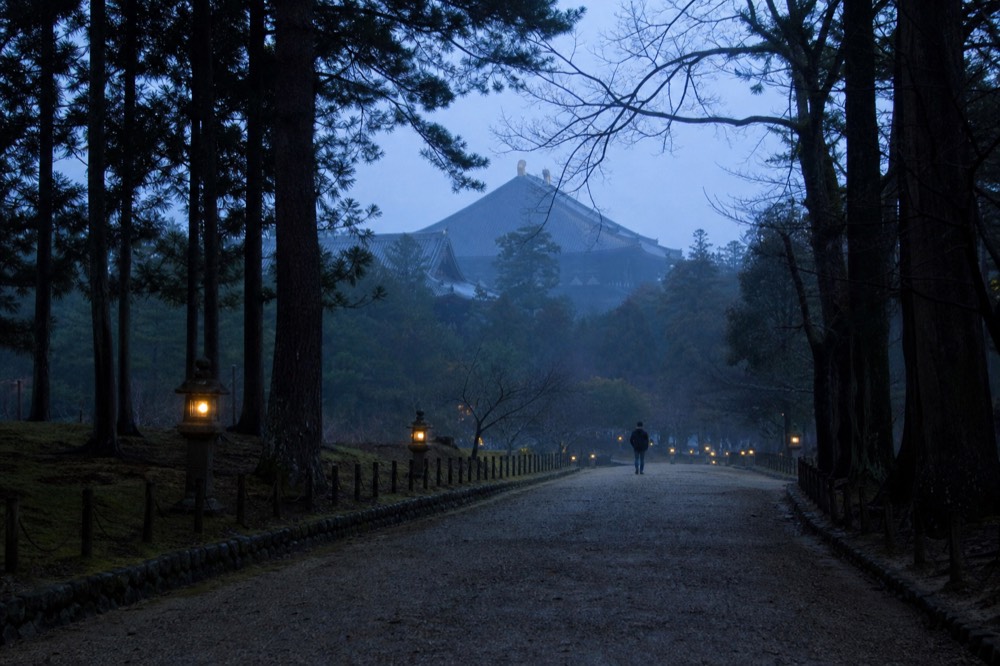
The seasonal costs do not move much. Temple admissions are fixed year-round, the train fare is the same in every month, and the only seasonal premium in Nara is time: queues in the Shosoin fortnight and crowd density in the blossom and foliage weeks. If those are the weeks you are coming, book the accommodation early and expect the city's accommodation tax on any Kyoto stay, which since 1 March 2026 runs from 200 yen per person per night on the cheapest rooms to 10,000 yen on the most expensive.
Whether you build the day yourself or take the guided version, the museum is the one stop that rewards knowing what it is before you arrive. It is not on the coach itinerary, and this site, Kyoto Nara Day Tour, says so plainly rather than implying otherwise, because the travellers who love the sculpture gallery are exactly the travellers who would rather have the facts and plan the extra hour themselves.
The Nara National Museum is a Buddhist-art museum inside Nara Park, it is not part of the coach day tour, and the questions below cover the practical details: how long to spend, when the Shosoin exhibition runs, how to get there, whether it fits a short visit, and whether to carry cash.
Common questions about the Nara National Museum
Is the Nara National Museum a stop on the Kyoto and Nara day tour?
No. The tour visits Nijo Castle, Kinkaku-ji, the Kyoto Imperial Palace, Kasuga Taisha, and Todai-ji with Nara Park. The museum is not on the itinerary, so it belongs on a self-guided day or on time you add yourself.
How long should I spend at the Nara National Museum?
About an hour covers the Buddhist sculpture gallery at a reasonable pace. Budget two hours if a special exhibition is running, and half a day during the Shosoin fortnight, when timed entry and queues stretch every visit.
When is the Shosoin exhibition held?
Each autumn, for roughly two weeks in late October and November. The selection of treasures changes every year, and the dates shift, so the museum's own site is the place to confirm the window before planning a trip around it.
How do I get to the Nara National Museum?
From Kintetsu Nara Station it is about a five to eight minute walk past Kofuku-ji. From JR Nara Station it is roughly fifteen to twenty-five minutes on foot. From Kyoto the train journey takes about 45 minutes.
Is the museum worth it if I only have half a day in Nara?
Only if Buddhist art is a priority. With half a day, the deer, Todai-ji and the Kasuga approach will already fill your time. The museum earns its hour on a full day, or on a rainy one.
Do I need cash for the sights around the museum?
Yes. Todai-ji and Kofuku-ji both state on their own pages that admission is cash only, and the deer crackers are bought with coins. 7-Eleven and Japan Post ATMs accept foreign cards if you need to withdraw.