Is Fushimi Inari worth it?
A straight answer on whether the thousand vermilion gates of Fushimi Inari Taisha are worth the visit, with tips on timing, crowds, and how to combine it with a Kyoto and Nara day trip.
Is Fushimi Inari worth it?
Few sights in Kyoto are as instantly recognizable as the vermilion torii gates of Fushimi Inari Taisha. The shrine sits at the base of Mount Inari, and its paths climb through thousands of gates donated over centuries by worshippers and businesses. The question every visitor asks is whether the trip is really worth the time, especially on a tight itinerary that already includes Nara, Kinkaku-ji or the bamboo groves. The short answer is yes, but the real value depends on how you visit.
Is Fushimi Inari worth it?
Yes, Fushimi Inari Taisha is absolutely worth it for most visitors. It is free, the shrine sets no closing time for the paths, and the walk through roughly 10,000 vermilion torii of all sizes up a forested mountain is one of Kyoto’s most distinctive experiences. Even a short visit to the lower tunnels is memorable.
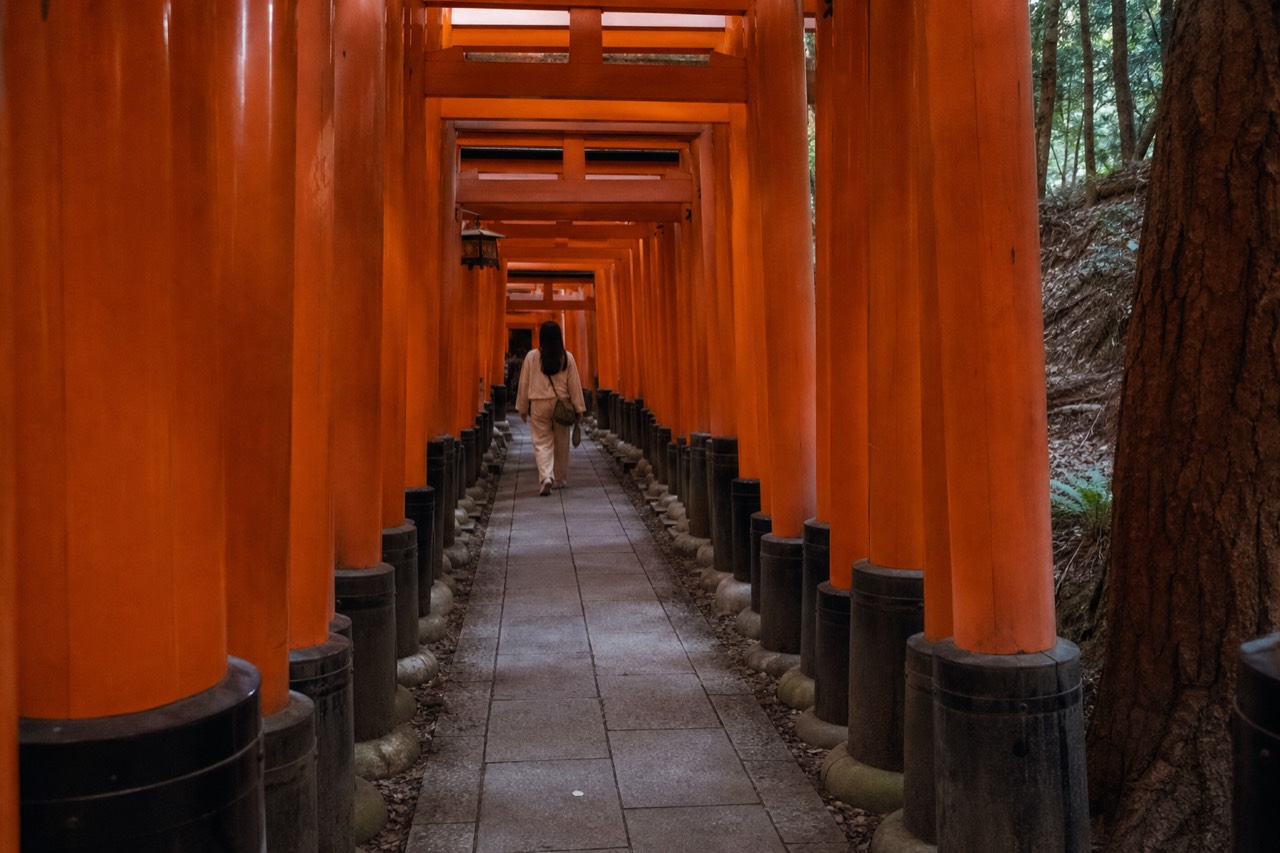
The shrine’s appeal is immediate: the dense rows of bright red gates create a corridor that feels both ancient and cinematic. The lower section, Senbon Torii, is the most photographed, but it is only the beginning. The full loop to the summit of Mount Inari takes about two to three hours and passes smaller shrines, stone fox statues, and viewpoints over Kyoto. Because the grounds are open at all hours, you can escape the midday crowds by arriving at dawn or after dusk, when the paths are lit and nearly empty.
Fushimi Inari is not a stop on the Kyoto Nara Day Tour, which focuses on Nijo Castle, Kinkaku-ji, the Kyoto Imperial Palace, Kasuga Taisha and Todai-ji. That makes the shrine a perfect independent add-on, either early in the morning before a coach departure or in the evening after returning from Nara. Many travellers combine the two, using the guided day to cover the major ticketed attractions and then visiting Fushimi Inari on their own schedule.
If you are weighing whether to include it, the deciding factor is usually time. A quick walk through the lower gates takes less than an hour, while the full hike demands half a day. The shrine is also a short train ride from Kyoto Station, making it one of the easiest major sights to reach. For a deeper look at the shrine’s history and layout, see our guide to Fushimi Inari Shrine.
What makes Fushimi Inari so popular?
The draw is the sheer scale and colour of the torii gates, but the shrine also offers a free, open-air hike that feels worlds away from the city. The combination of Shinto tradition, fox messengers, and a mountain walk gives visitors something no other Kyoto temple can match. Add the fact that it costs nothing and is accessible by train in under ten minutes from Kyoto Station, and its popularity makes sense.
The gates themselves are the main attraction. Each one is donated, and the donor’s name and the date of dedication are inscribed on the back. The path starts with two dense parallel tunnels of gates, then splits and winds upward past smaller sub-shrines and tea houses. The shrine’s official FAQ explains that the custom of donating a torii as thanks for a prayer being answered spread from the Edo period onward, which is why the mountain now holds about 10,000 gates of all sizes.
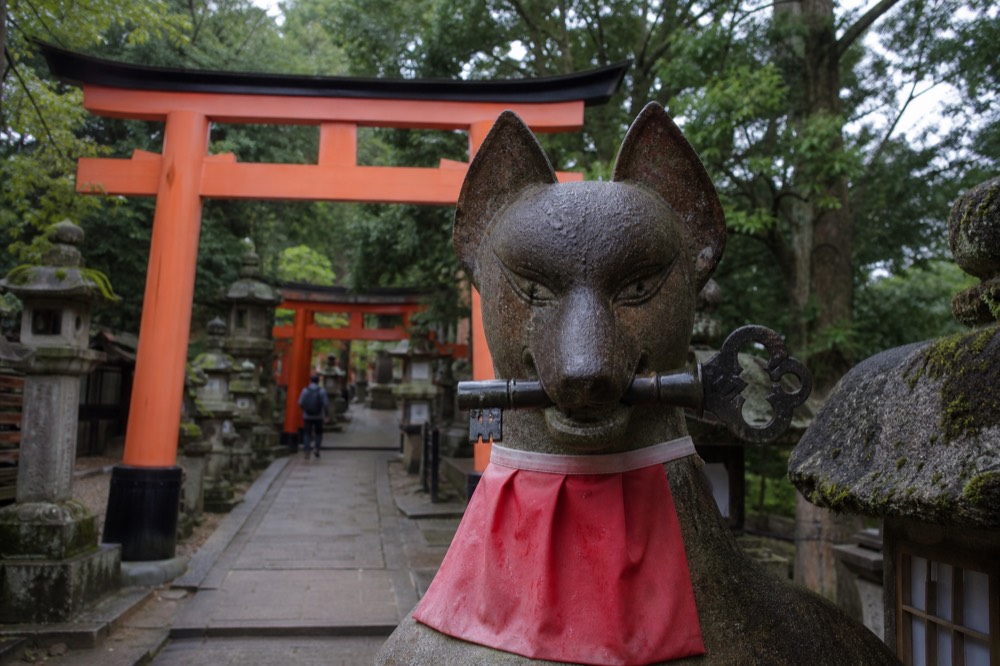
The shrine’s connection to Inari, the Shinto deity of rice and prosperity, also means it is the head shrine of roughly 30,000 Inari shrines across Japan. The fox statues you see everywhere are messengers, not gods, and they often hold a key to the rice granary in their mouths. This layer of meaning adds depth to what might otherwise feel like a simple photo stop.
A common complaint is the crowd. The lower gates can be packed by mid-morning, but the crowd thins dramatically after the first few hundred metres. Most visitors turn back at the Yotsutsuji intersection, about halfway up, leaving the upper trails quiet even in peak season. If you want the gates to yourself, go before 7 a.m. or after sunset.
How much time do you need at Fushimi Inari?
Plan for at least one hour to walk the lower loops and take photographs. A relaxed visit to the Yotsutsuji viewpoint and back takes about an hour to an hour and a half. The full circuit to the summit of Mount Inari and back down is around two to three hours, depending on your pace and how often you stop.
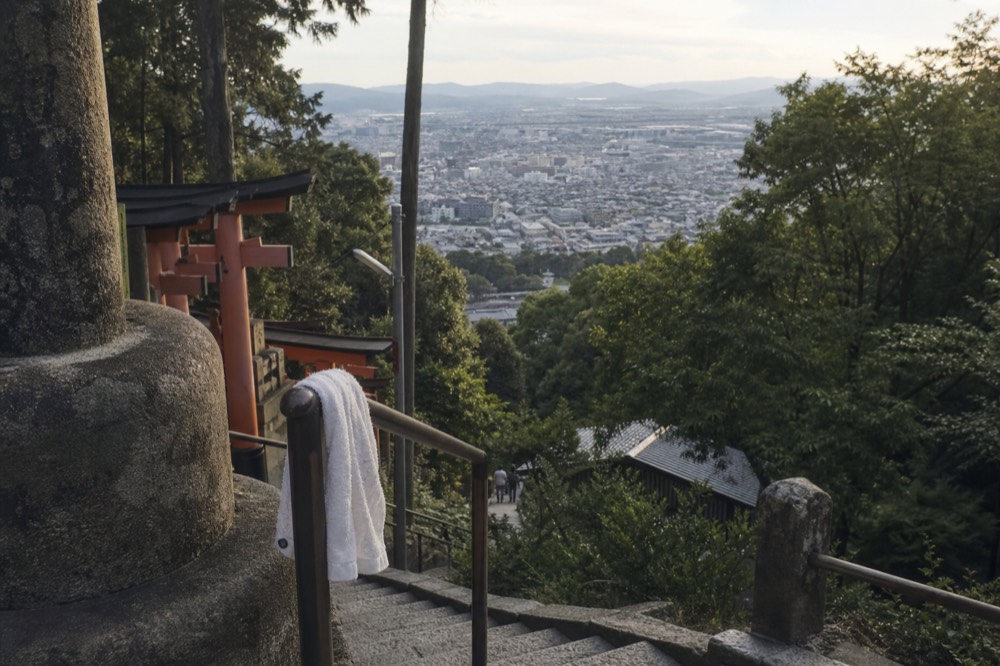
The time you spend depends entirely on your goal. Many visitors are satisfied with a walk through the Senbon Torii tunnels and a few minutes at the small lake and main hall. That can be done in 45 minutes if you move quickly. The next milestone is the Yotsutsuji intersection, a crossroads with a view over southern Kyoto. Reaching it involves a steady climb and takes most people about 30 to 40 minutes from the base.
| Route | Approximate time | Difficulty |
|---|---|---|
| Lower gates and main hall only | 30–45 minutes | Easy, mostly flat |
| To Yotsutsuji viewpoint and back | about an hour to an hour and a half | Moderate climb, stone steps |
| Full loop to summit and return | 2–3 hours | Steep in places, many steps |
The full loop is not a casual stroll. It involves hundreds of stone steps and some steep sections, but no special equipment is needed. Wear comfortable shoes and bring water, especially in summer. The summit itself is a small shrine area with no grand view, so the reward is more about the journey than the destination.
If you are fitting the shrine into a day that also includes a coach tour to Nara, an early-morning visit works perfectly. You can walk the lower gates before the 8:20 a.m. meeting time in Kyoto and still have energy for Nijo Castle and Todai-ji later.
When is the best time to visit Fushimi Inari?
Early morning, before 8 a.m., is the best window for quiet paths and soft light through the gates. Late evening, after the souvenir stalls close, is another excellent option because the shrine paths remain open and are lit by lanterns. Avoid midday on weekends and during the cherry blossom and autumn colour seasons, when the lower area becomes extremely crowded.
The shrine does not have a specific cherry blossom or autumn foliage display that rivals the city’s famous gardens, but the mountain setting still changes with the seasons. Kyoto’s cherry trees normally flower around 26 March and reach full bloom on 4 April, based on the 1991–2020 average from the Kyoto Local Meteorological Observatory. In 2026, flowering was recorded on 23 March and full bloom on 30 March. During these weeks, the approach to the shrine is busier than usual.
Summer brings heat and humidity. Kyoto’s August mean daily maximum is 33.7°C, and the city’s six hottest days on record include 39.7°C on 23 July 2026. The mountain path offers some shade, but the climb is strenuous in high temperatures. An early start is essential. Autumn colour in Kyoto peaks much later than most visitors expect: the official maple colouring date for the city is 5 December, and in 2025 it fell on 10 December. By then the shrine’s trees are mostly bare, so do not plan a November trip around foliage at Fushimi Inari.
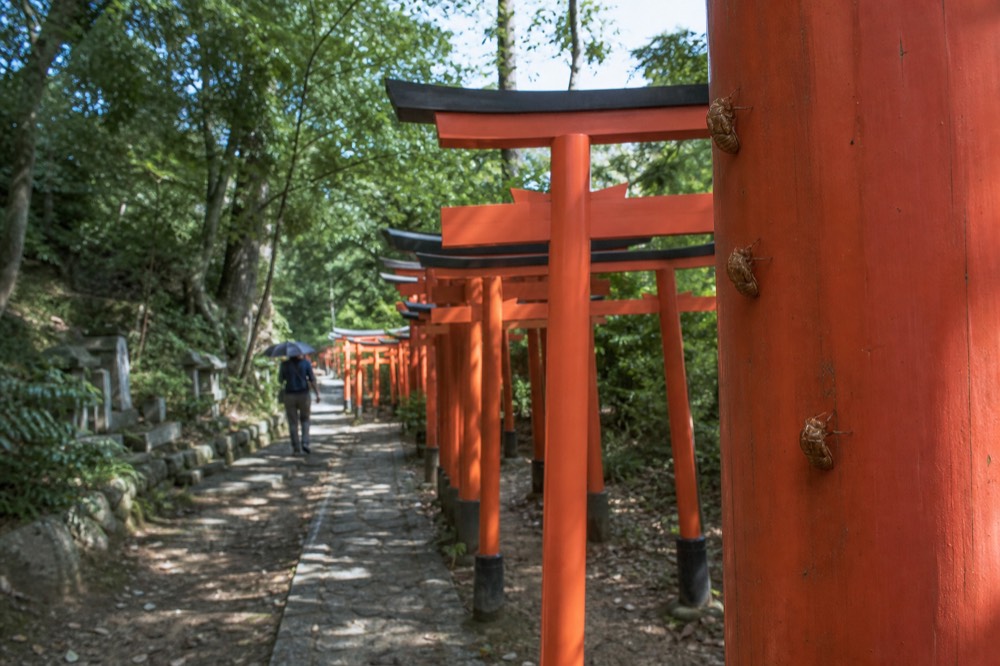
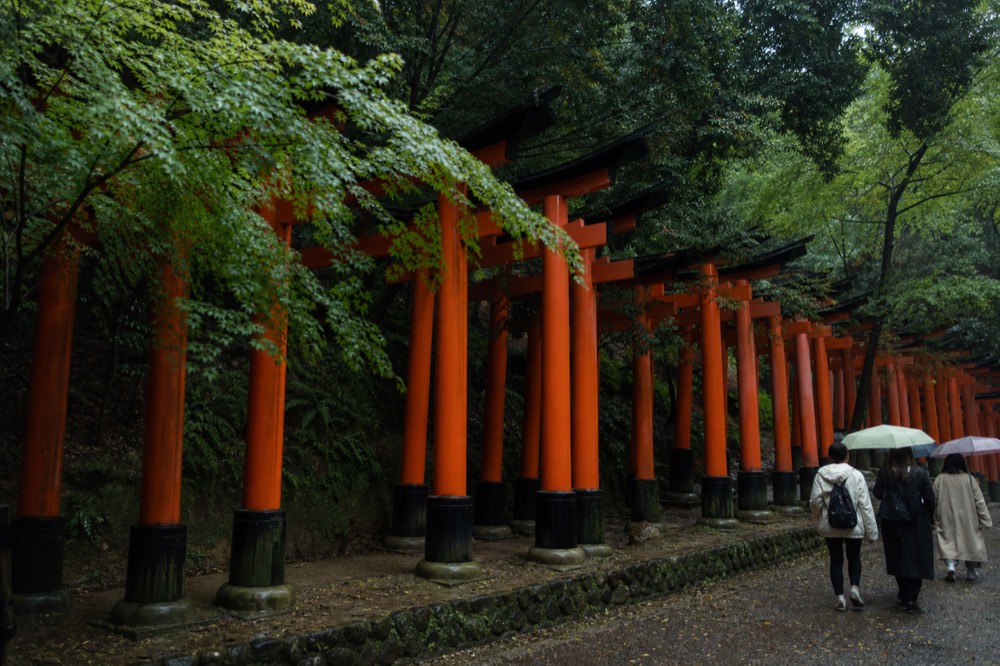
Rainy season in the Kinki region normally runs from about 6 June to 19 July. The paths can be slippery, but the gates look especially vivid against wet stone and grey skies. If you do not mind a little rain, this can be a quieter time to visit.
How does Fushimi Inari fit into a Kyoto and Nara day?
Fushimi Inari is not on the itinerary of the main Kyoto and Nara day tours, but it sits conveniently on the JR Nara Line between Kyoto Station and Nara. That makes it an ideal independent stop before or after a guided coach tour. You can visit the shrine early in the morning, join a tour that covers Nijo Castle, Kinkaku-ji, Todai-ji and Kasuga Taisha, and still be back in Kyoto by early evening.
The geography works in your favour. Fushimi Inari Station is two stops from Kyoto Station on the JR Nara Line, a journey of about five minutes. The shrine’s main entrance is a short walk from the station. If you are taking a coach tour that departs from the Sunrise Tours desk at Kyoto Avanti B1F, across from Kyoto Station, meeting at 08:20, you can easily spend an hour at the shrine from 6:30 a.m. and still make the meeting point with time to spare.
The Kyoto and Nara Day Tour is a full-day coach trip that visits six sites: Nijo Castle, Kinkaku-ji, the Kyoto Imperial Palace, lunch, Kasuga Taisha and Todai-ji with Nara Park. It does not include Fushimi Inari, so you will not be rushed through the gates as part of a group. That gives you the freedom to explore the shrine at your own pace, whether you want a quick photo or a long hike.
For travellers who prefer to keep the day simple, the no-lunch option from Kyoto is the most straightforward choice. It covers the same six stops without the meal, leaving you free to eat wherever you like. The coach returns to Kyoto, so you can head straight to Fushimi Inari in the late afternoon if you still have energy.
Combining the two experiences gives you the best of both worlds: the independent, immersive walk through the torii gates and a guided, hassle-free visit to the ticketed temples and Nara Park. For more ideas on structuring your day, read our guide to seeing Kyoto and Nara in one day. If you are coming from Osaka, the Nara from Osaka guide explains the different departure options and how they affect your schedule.
An early morning visit rewards you with near-empty paths and a quiet atmosphere that is hard to find later in the day. The shrine sets no closing time for the paths, and the soft light just after sunrise makes the vermilion gates glow. From the main entrance, the first dense arcade of torii, Senbon Torii, begins only a few minutes uphill. If you have a full hour, you can walk through both the left and right tunnels of Senbon Torii and reach the Yotsutsuji intersection, roughly halfway up the mountain. That spot opens onto a viewing platform with a clear panorama over southern Kyoto, and it makes a natural turnaround point before you head back to the station. The round trip to Yotsutsuji and back at a steady pace takes about 45 to 60 minutes, leaving you a small buffer for the train and the short walk to the tour bus meeting area.
If you choose the afternoon option after the coach returns to Kyoto, the light shifts and the crowds thin out again as dusk approaches. The lower slopes stay open, and the walk to Senbon Torii and back remains practical even if you are tired from the day. Keep in mind that the full loop to the summit takes roughly two to three hours, so an evening visit is better suited to a shorter stroll. The shrine’s fox statues, holding keys or jewels in their mouths, line the route and offer countless small details for photos. Local food stalls near the entrance often operate until early evening, selling grilled mochi and inari sushi, which gives you a chance to taste something tied to the shrine’s name before catching the train back to Kyoto Station.
What else should you know before visiting Fushimi Inari?
A few practical details make the visit smoother. The shrine’s precinct covers about 870,000 square metres, most of which is the mountain itself. There are no lockers at the shrine, so travel light. The amulet and goshuin desks have set hours, but the paths themselves never close.
The shrine’s own website links to the Kyoto City Tourism Association’s crowd-comfort forecast and to live cameras at the front and rear approaches, so you can check conditions before heading out. In 2021, the Kyoto Local Meteorological Observatory reduced its phenological observation programme to six plant species and nine phenomena, meaning the official cherry and maple dates now come from a smaller set of monitored trees. That does not change the shrine’s seasonal appeal, but it is worth knowing that the city’s official dates are based on a narrower sample than in the past.
The shrine is also a short walk from Tofuku-ji, another temple famous for its autumn colours, though the maple peak there follows the same December timeline as the rest of Kyoto. If you are planning a day that mixes independent sightseeing with a coach tour, the Kyoto one-day itinerary guide offers a tested order of stops that avoids backtracking.
Common questions about Fushimi Inari
Is Fushimi Inari worth it?
Yes, for most visitors it is one of the most memorable sights in Kyoto. The torii gate tunnels are free, open around the clock, and unlike anything else in the city. Even a short visit is worthwhile.
How many torii gates are at Fushimi Inari?
The shrine’s own FAQ states there are about 10,000 torii of all sizes along the mountain paths, not just in the famous Senbon Torii tunnel. The exact number is not fixed because gates are added and replaced over time.
Is Fushimi Inari free?
Yes, there is no admission charge. The shrine sets no closing time for the grounds and mountain paths. Only the amulet and goshuin desks have set opening times.
How long does it take to walk the whole Fushimi Inari trail?
The full loop to the summit of Mount Inari and back takes about two to three hours. A shorter visit to the lower gates can be done in 30 to 45 minutes.
Can I visit Fushimi Inari at night?
The shrine paths are open 24 hours and are lit by lanterns after dark. The main hall area is quieter, and the walk through the gates at night is a completely different experience from the daytime crowds.
Is Fushimi Inari included in the Kyoto and Nara Day Tour?
No, the tour visits Nijo Castle, Kinkaku-ji, the Kyoto Imperial Palace, Kasuga Taisha and Todai-ji with Nara Park. Fushimi Inari is not on the itinerary, so it is best visited independently before or after the tour.